Autore: lapollaz

  • Shooting at the sky – Witch hunt and weather control

    Shooting at the sky – Witch hunt and weather control

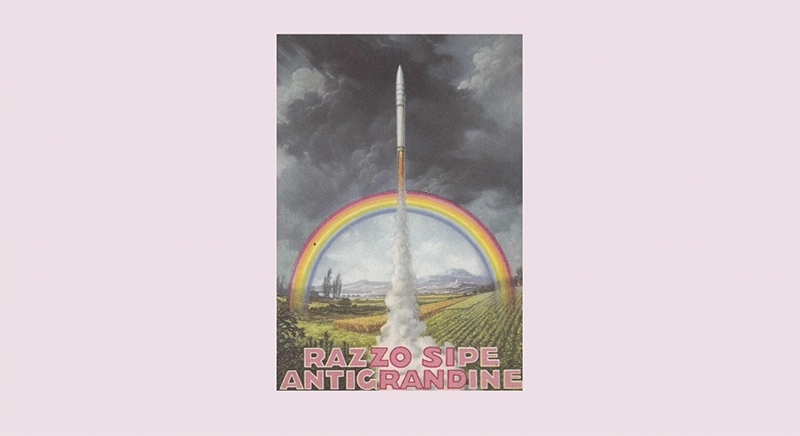
    For centuries, farmers in Austria shot consecrated guns at storms in attempts to dispel them. Some guns were loaded with nails, ostensibly to kill the witches ridding in the clouds -J. R. Fleming “Fixing the sky”

    Shooting at the Sky combines a series of facts and quotations into a narrative, along with visual research completed in disparate archives, gathered after reading J. R. Fleming’s revealing sentence. Starting in fact with the custom of shooting at clouds in an attempt to strike at witches, believed to be responsible for bad weather, a series of facts and images are woven into the video regarding ways of waging war on the sky and governing its elements, and the hunt for witches, who were also burned at the stake for their alleged ability to control the atmosphere. Along with mythologies that still die hard today (evoked by the story of the witch of Cengles with which the video begins and ends, found on a tourist brochure), stories and confessions extracted by torture or threat in trials are mixed with the use of fire in attempts to control the sky; from hail cannons or rockets (cannonading the sky to chase away hail), to concussionists’ gunpowder (firing at the sky to generate rain), to cloud seeding, from its beginnings in General Electric laboratories, to its military and strategic applications by governments and now routinely practiced in more than 47 countries.

    Narrator: Lara Francesca Bertoli

    Shooting at the sky is now part of ON AIR – a collaborative project on (the) air, on atmosphere, on environment, on breathing, curated by Juan Pablo Macías and Alessandra Poggianti for Carico Massimo.

  • Dear Lucy

    Dear Lucy

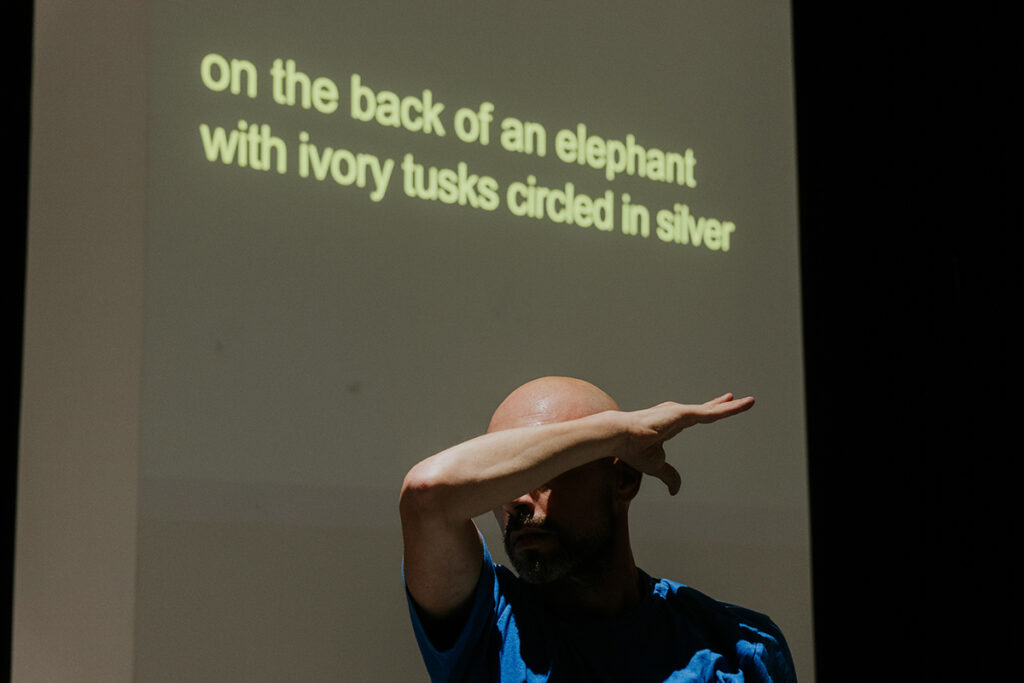
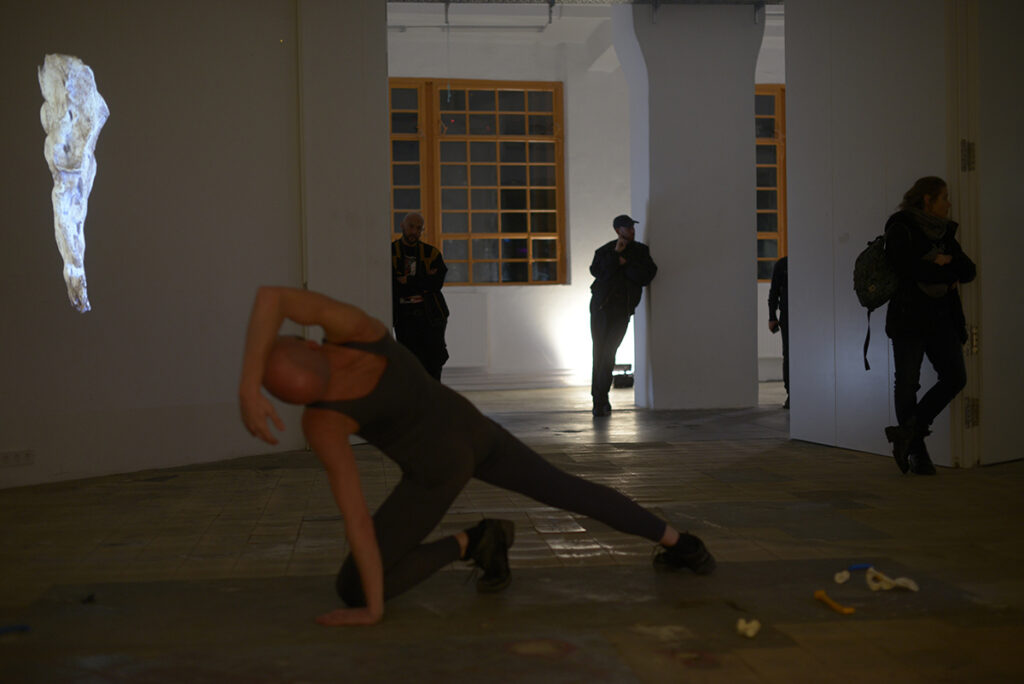
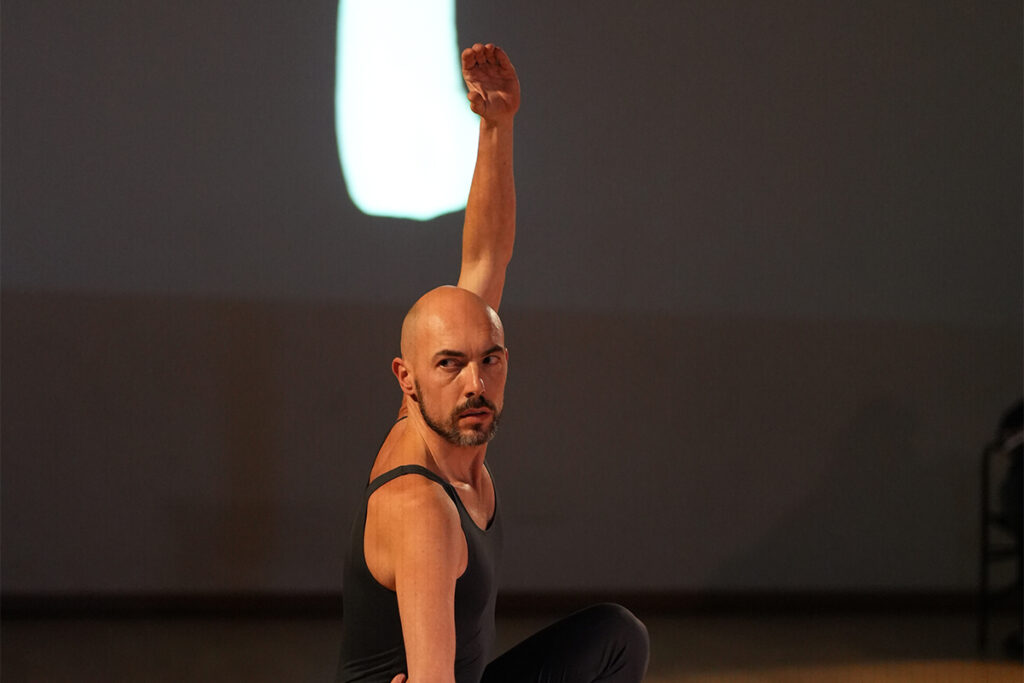
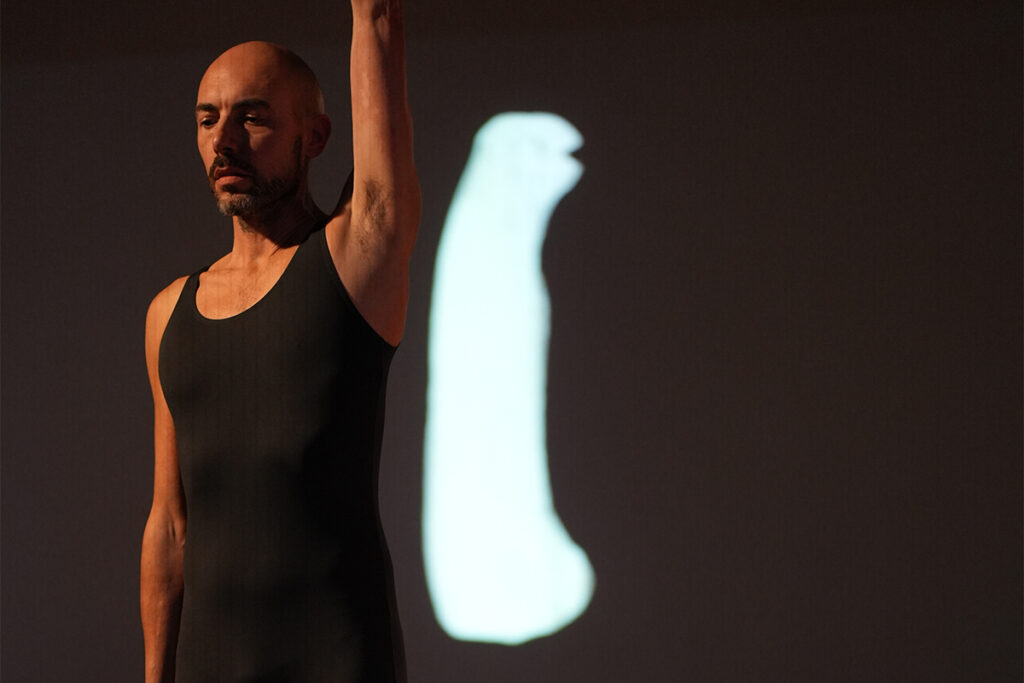
    Dear Lucy is an ongoing performative and installation-based project developed in collaboration with performer Rilaben, originating from a collection of letters written by his grandfather during the Italian colonial occupation of Ethiopia and preserved within the family archive.

    Through performances, installations, video, sound, and temporary spatial configurations, the project unfolds as an expansive montage where personal memories intersect with broader historical and material narratives, bringing together colonial medicine, paleoanthropology, organic and inorganic matter, embodied memory, past and future.

    The project was developed through multiple production phases between Italy, Austria, and Germany, produced by Fosca with the support of Regione Toscana, Kunstraum Lakeside, and Lake Studios Berlin. Additional support was provided by MAD – Murate Art District, the Affect and Colonialism Network at Freie Universität Berlin, and the Multimedia Lab Dr. G.A. L’Abbate at the University of Pisa. In collaboration with the Multimedia Lab, the project also expanded through the development of a series of digital materials, including an online platform, archival documents, and educational resources connected to the history of Italian colonialism and the broader research framework of the work.

    Resources: Video Introduction; Letters; Longform

    • Dear Lucy

      Dear Lucy

      Dear Lucy, performative installation, with Rilaben, 2021- ongoing

      sound: JDZazie and Cristina Abati

      live music: Cristina Abati, viola

    Activations

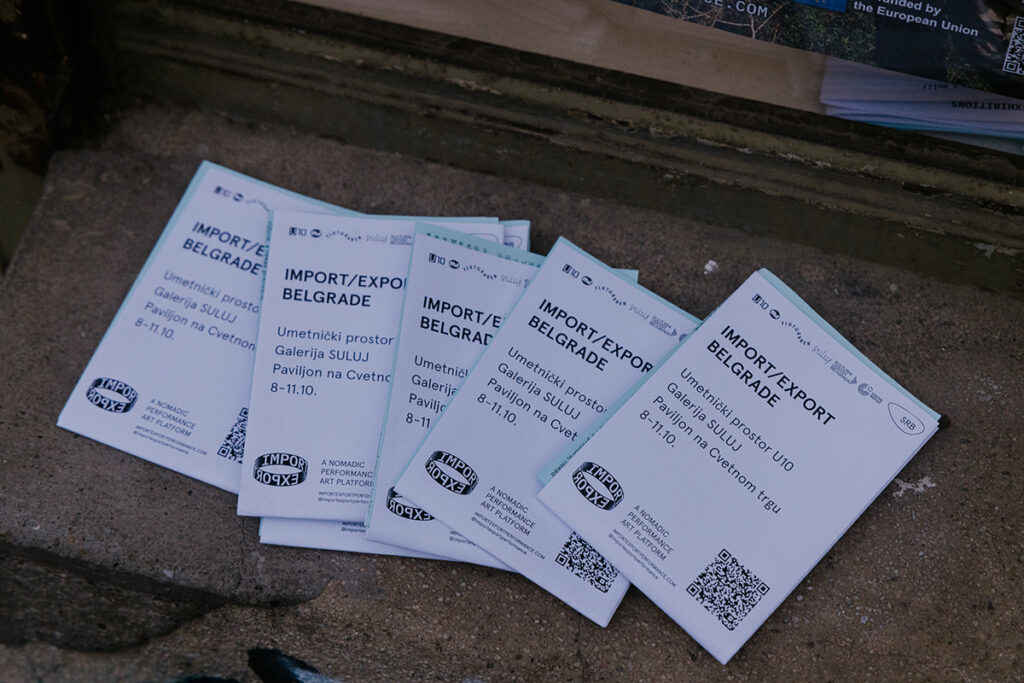
    10.10/2025 @U10 art space for IMPORT/EXPORT Belgrade, RS

    26.01/2024 @Lake Studios Berlin, Berlino, DE – jamming session

    25.01/2024 @Flutgraben e.V., Berlino, DE. ph Matthias Krause

    20.12/2023 @PARC Performing Arts Research Centre, Firenze, IT. ph Luca Sguanci

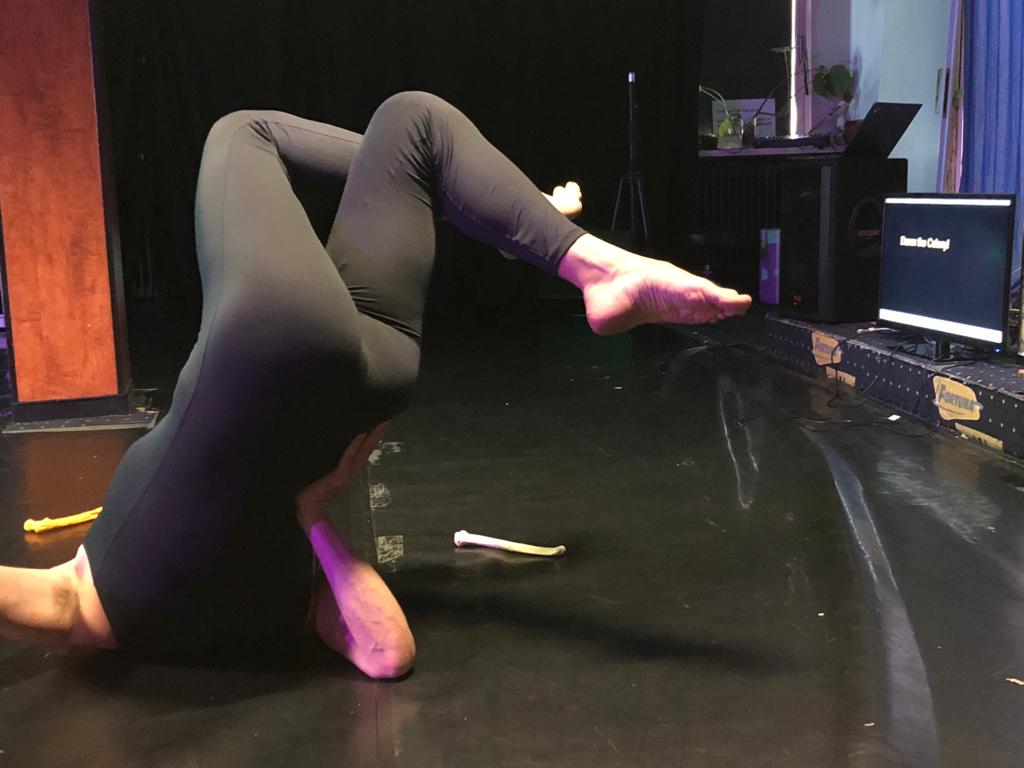
    25.06/2023 @48stunden Neukoelln/Fortuna Wetten, Berlino, DE. ph. M.Lacara, Ali Rez

    17.01/2023 @Kunstraum Lakeside, Klagenfurt, AT. ph. Johannes Puch

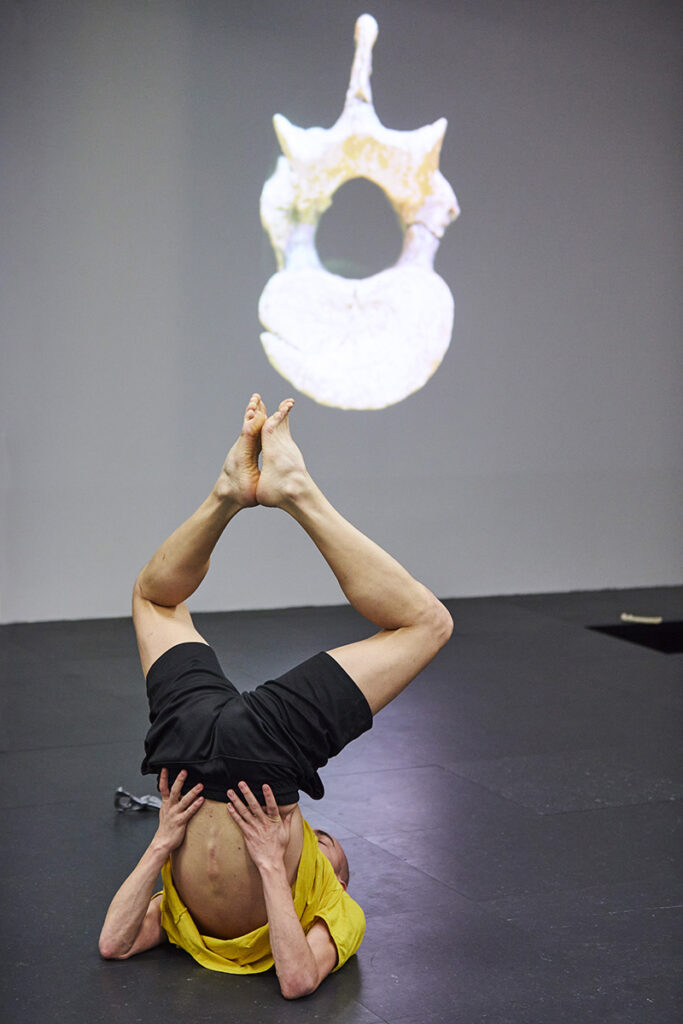
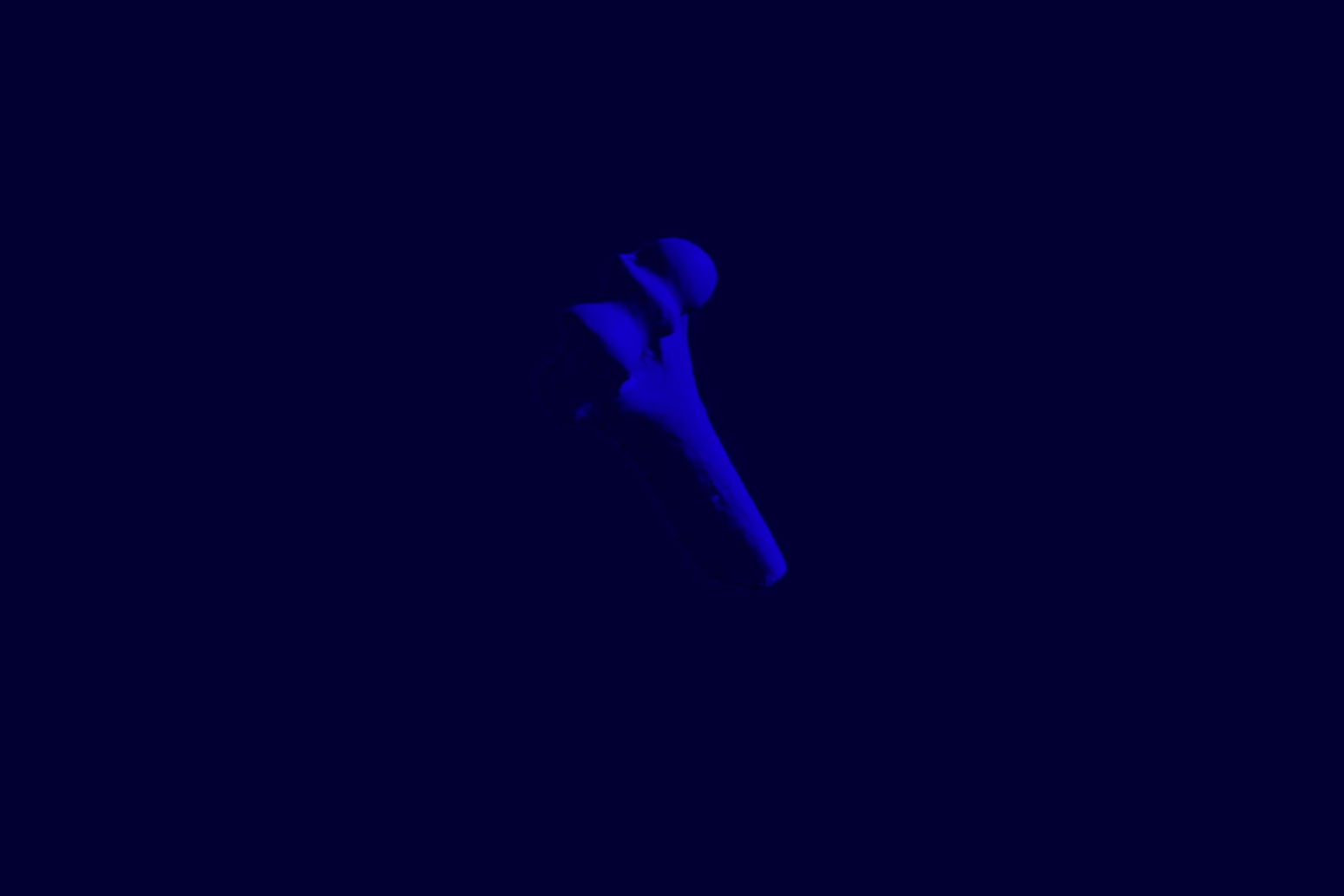
    AL288-1’s bones images and 3d models from: elucy.org
    Translation: Pina Ricciardi

  • ToccaUnoToccaTutti

    ToccaUnoToccaTutti

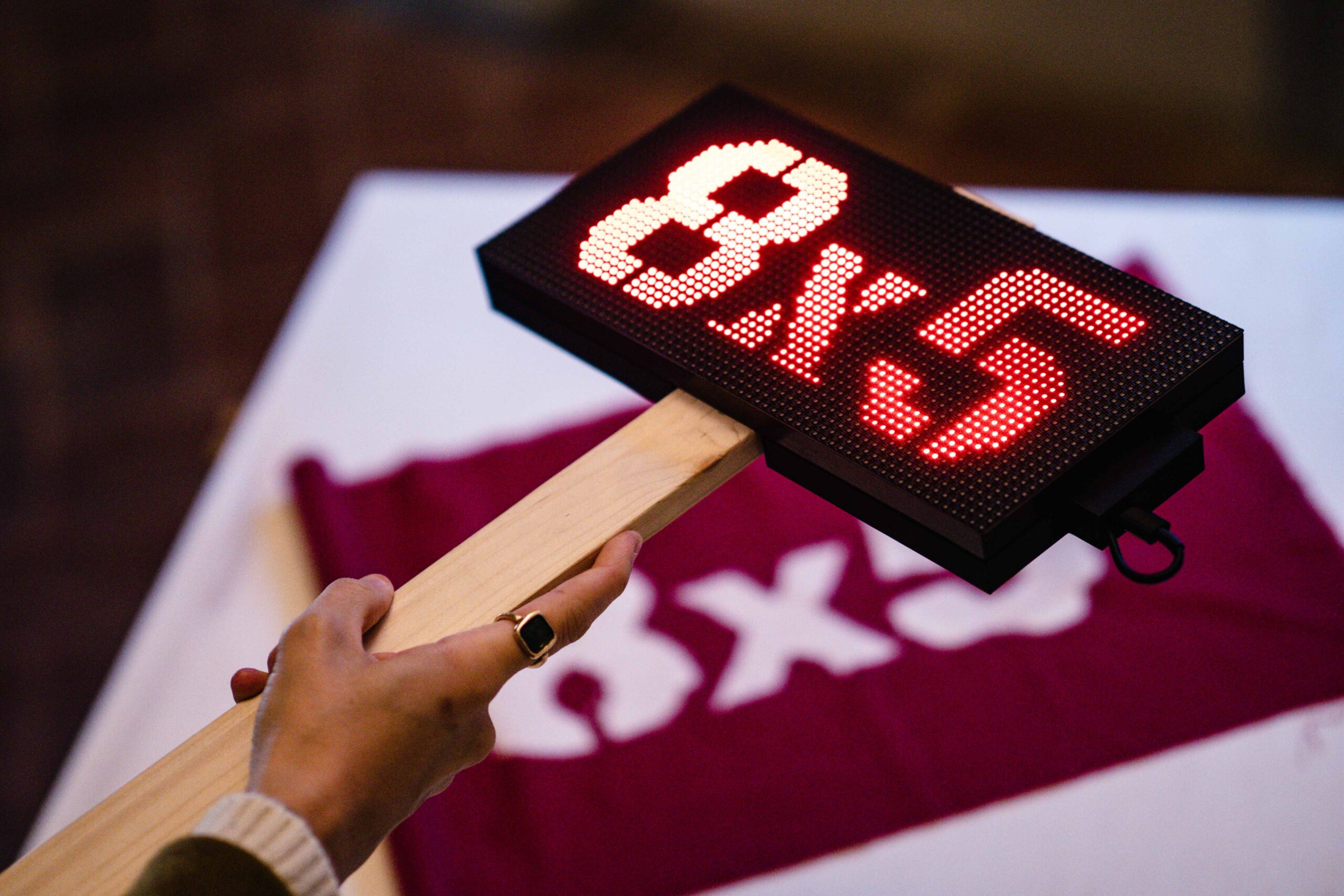
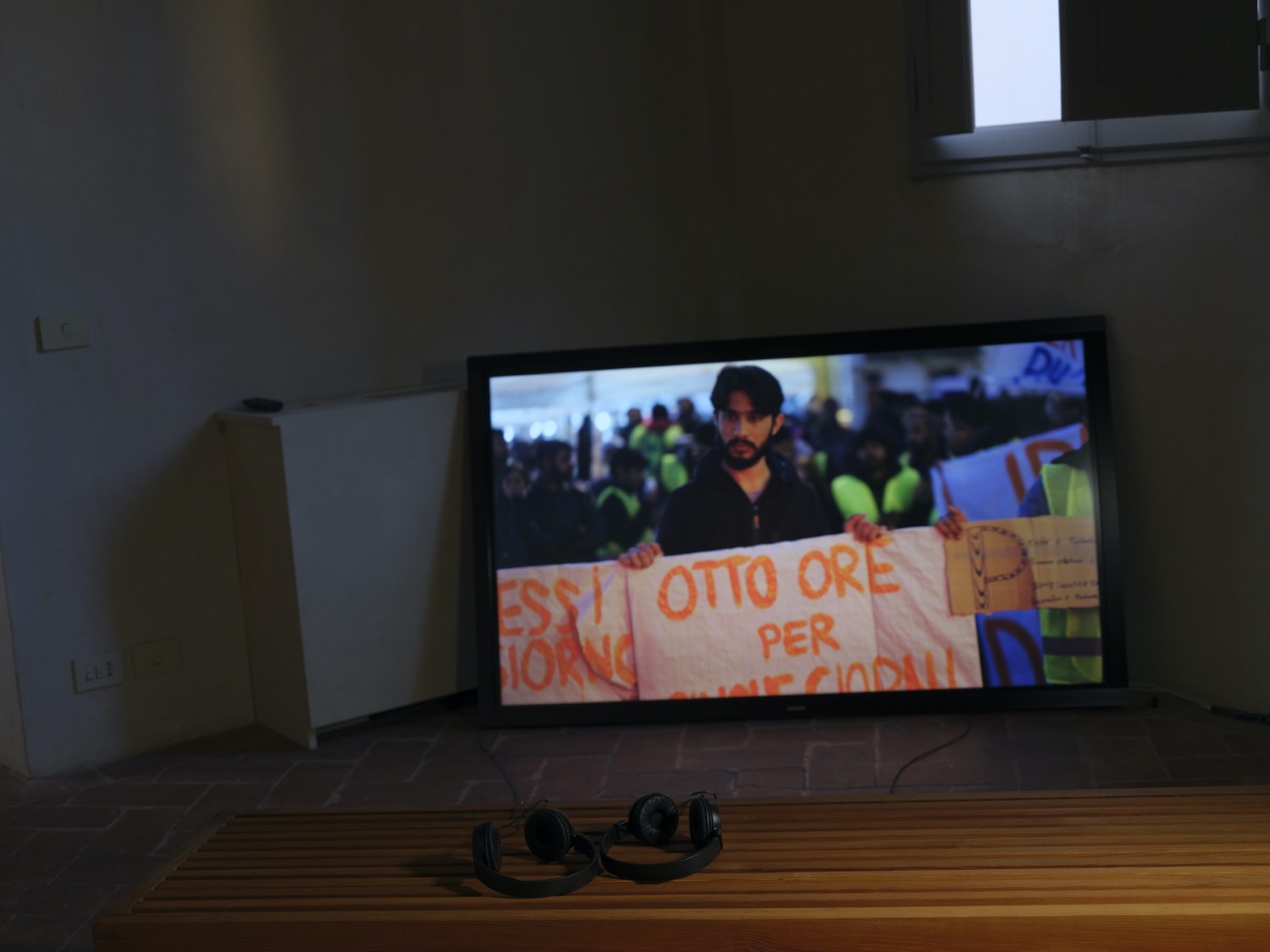
    ToccaUnoToccaTutti is a project involving artists, curators, activists, and researchers, in collaboration with the 8×5 Movement and the SUDDCobas union, born in 2021 alongside the struggles of workers in Prato’s textile industry.

    https://www.toccaunotoccatutti.net

    Related Works

  • Dear Lucy

    Dear Lucy

    Dear Lucy is a performance project about the multiple lines of connection between personal and collective history, between our bodily presence and our historical past, starting from a common experience of our family members who fought in Ethiopia in the colonial army in the 1930s.

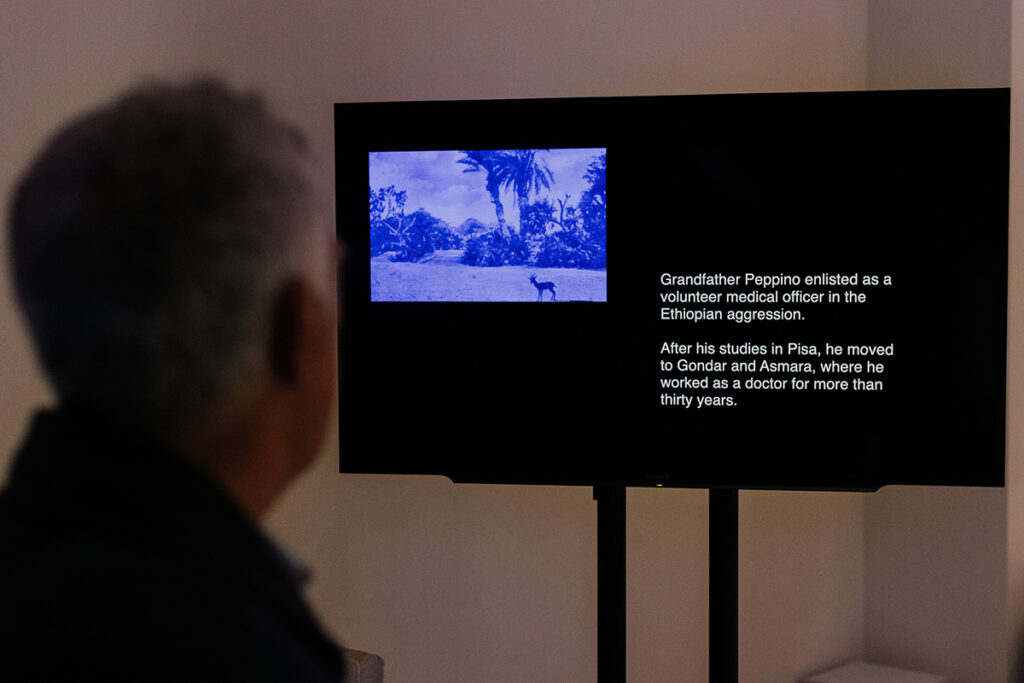
    The project is based on letters Rilaben’s grandfather wrote to his family during the almost 30 years he worked as a doctor in East Africa. He followed the troops in 1935, when Italy, under the fascist government of Benito Mussolini, invaded the country to establish a colonial empire.

    The letters, which are primarily addressed to family members, read like testimonies of a very personal story and yet are set in an overarching context. 

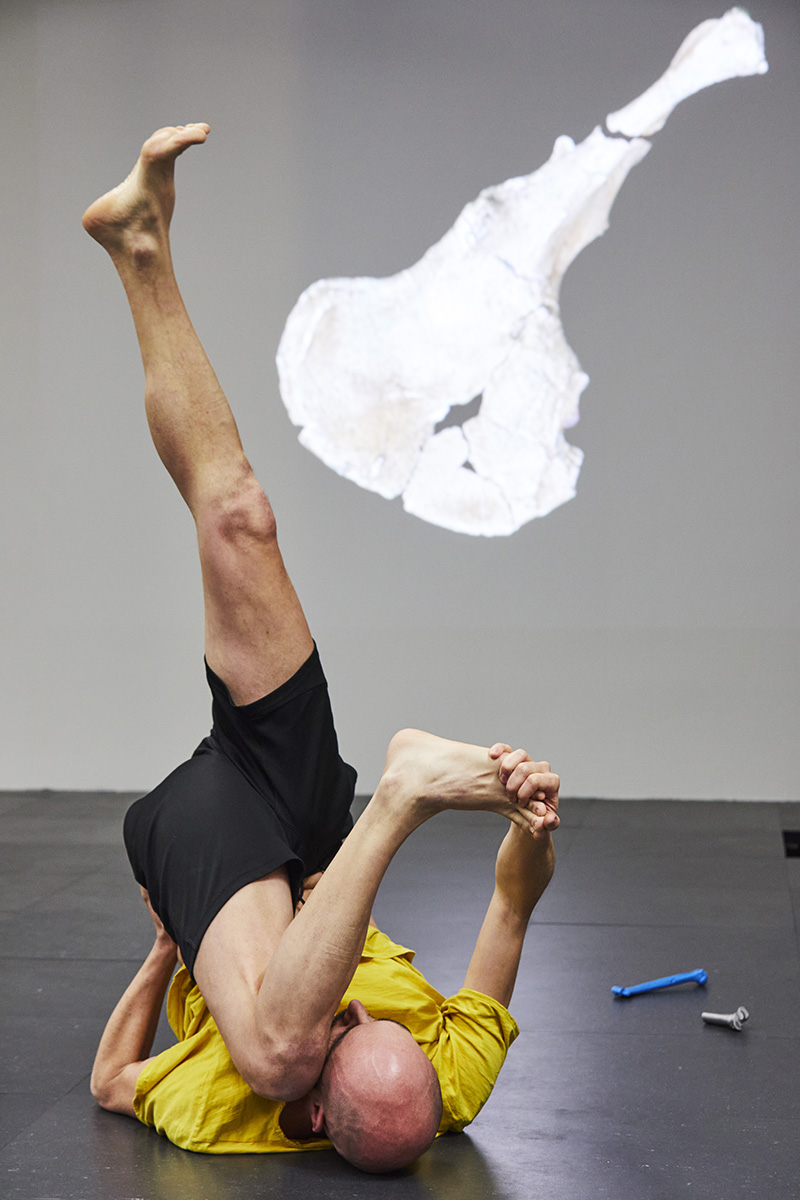
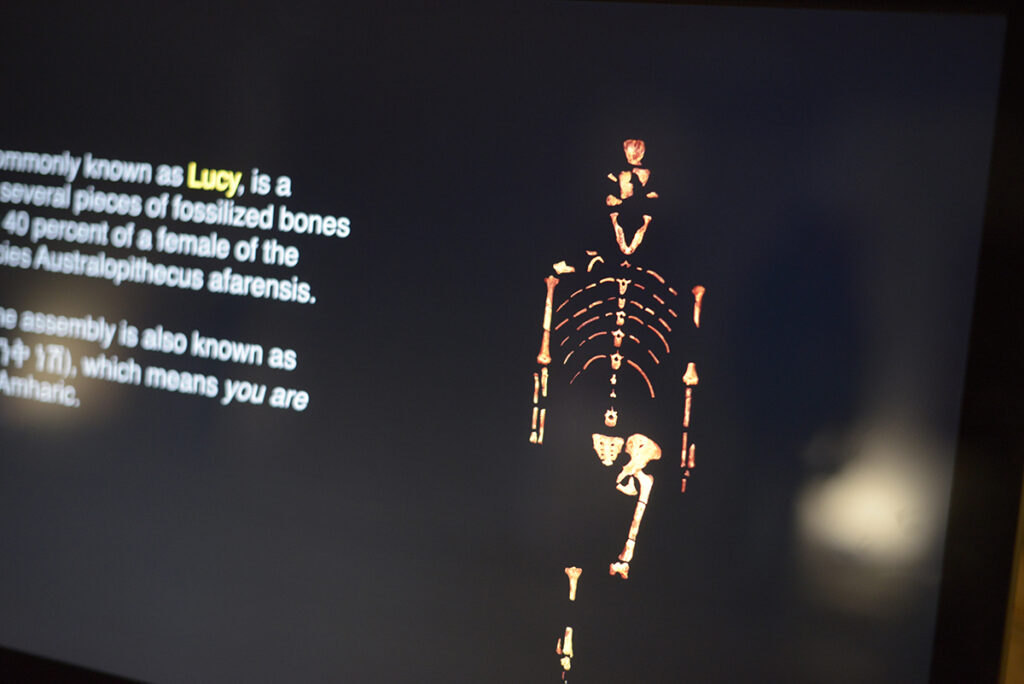
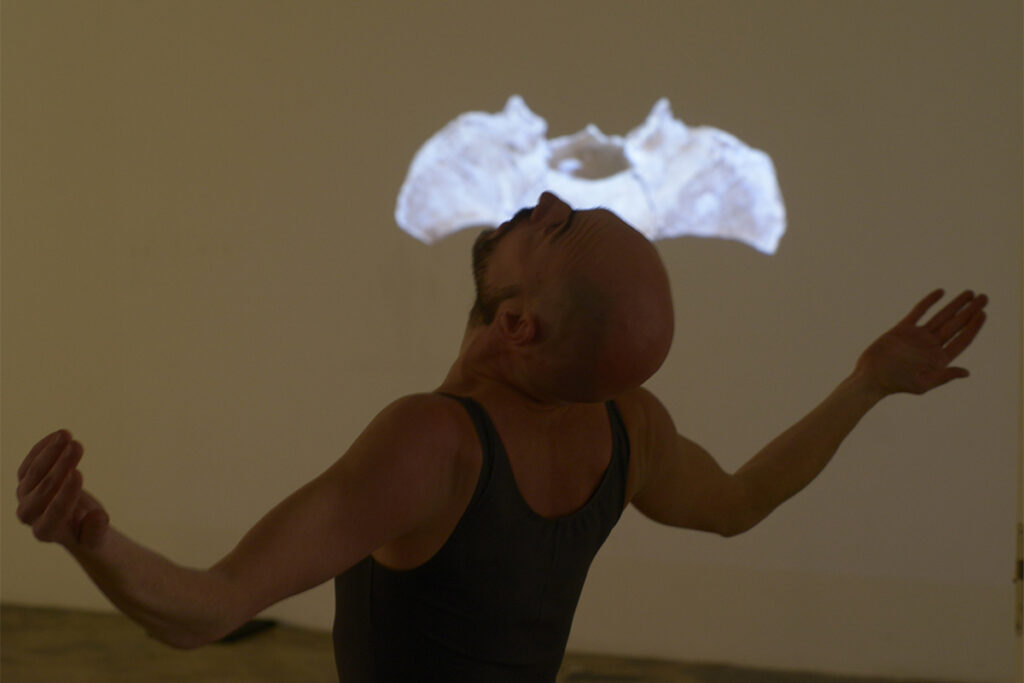
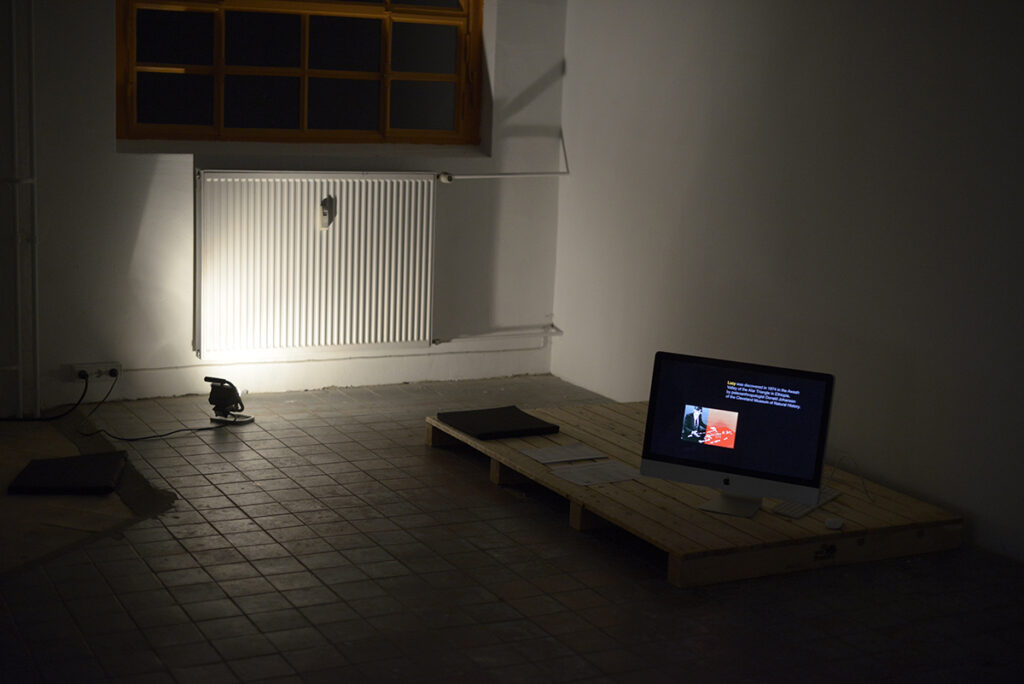
    The detailed text documents, in which the colonial doctor addresses his sister Lucia in particular, are interspersed with the story of Lucy, the renowned fossilized bones of an Australopithecus afarensis discovered in the 1970s in the Afar Depression in Ethiopia, by an American paleoanthropologist who listened to the Beatles. Lucy, a beloved symbol in Ethiopia, is known as one of the most famous human ancestors. 

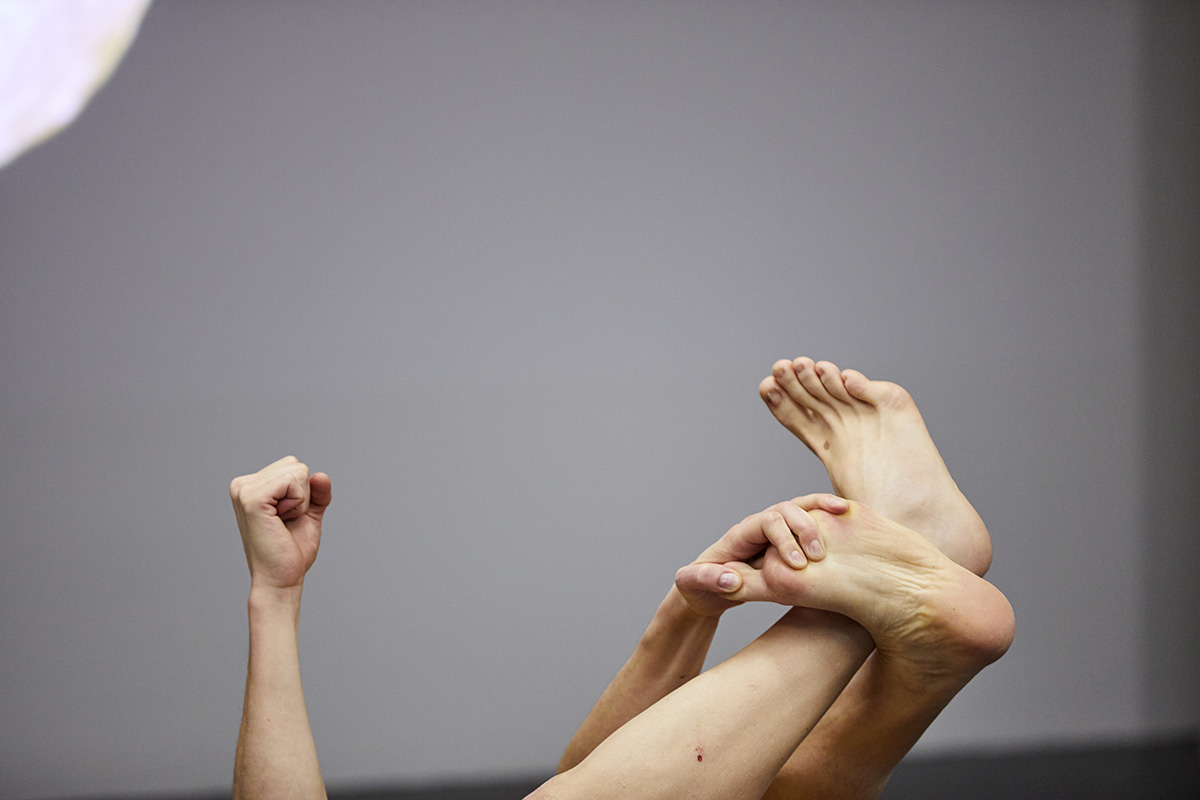
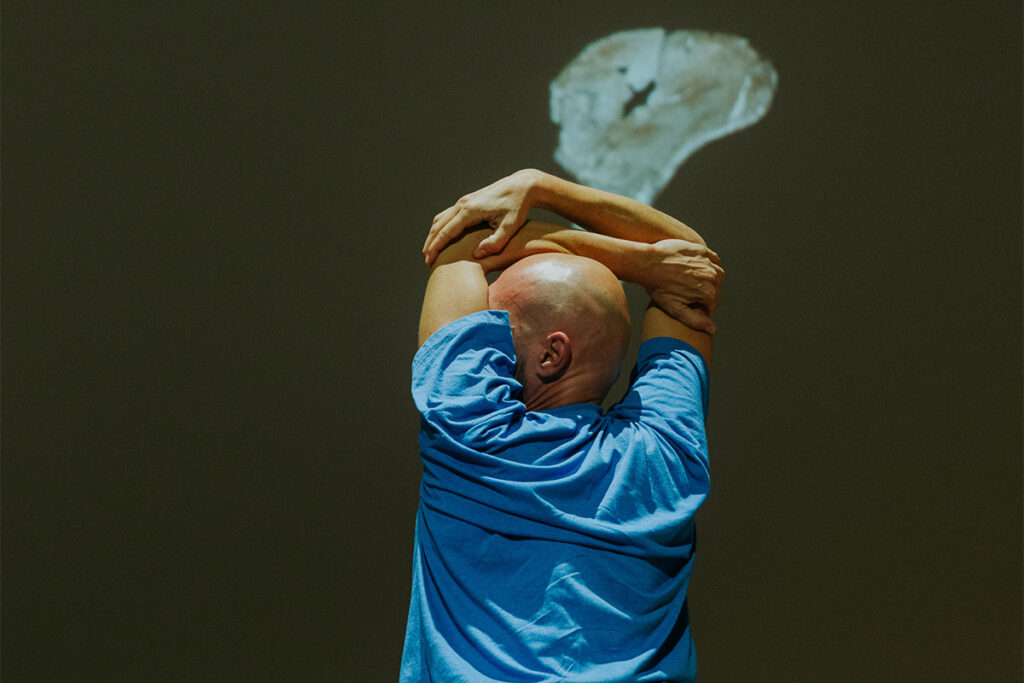
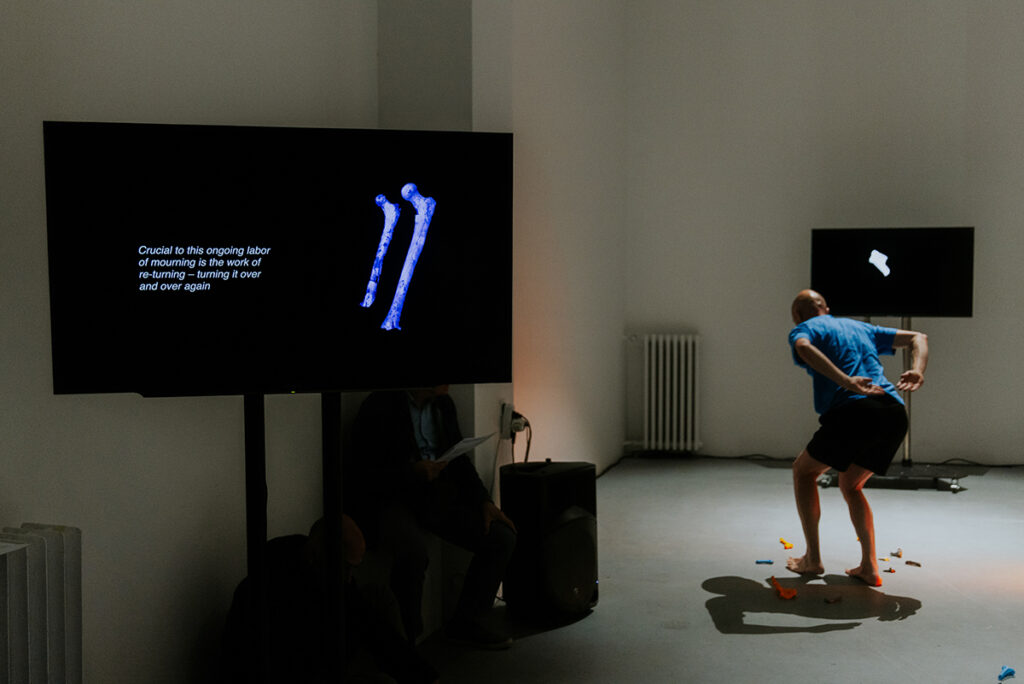
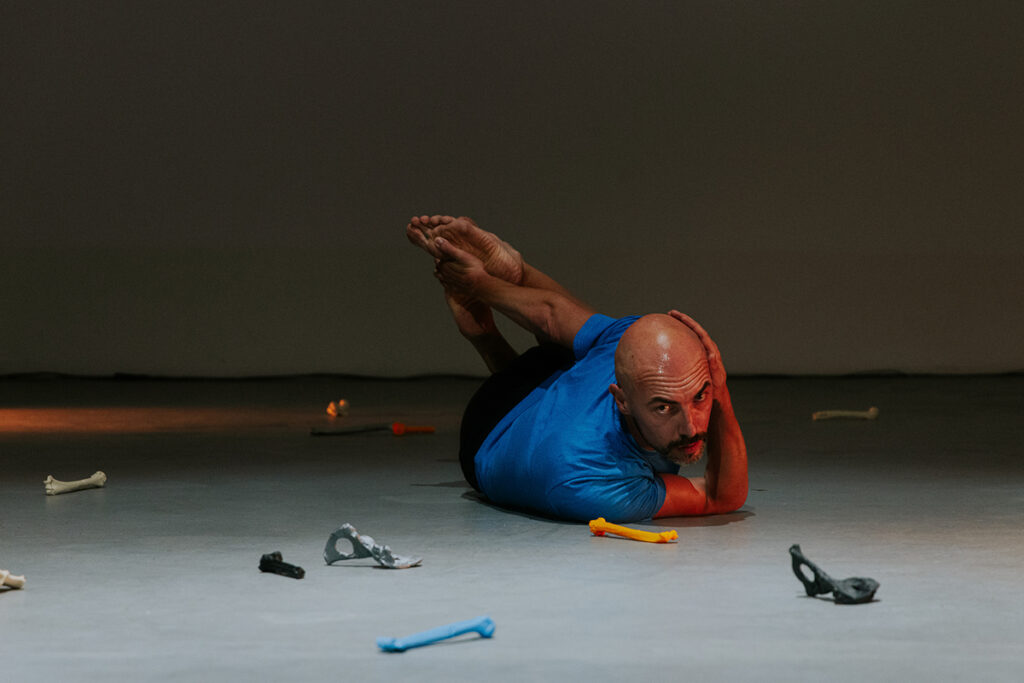
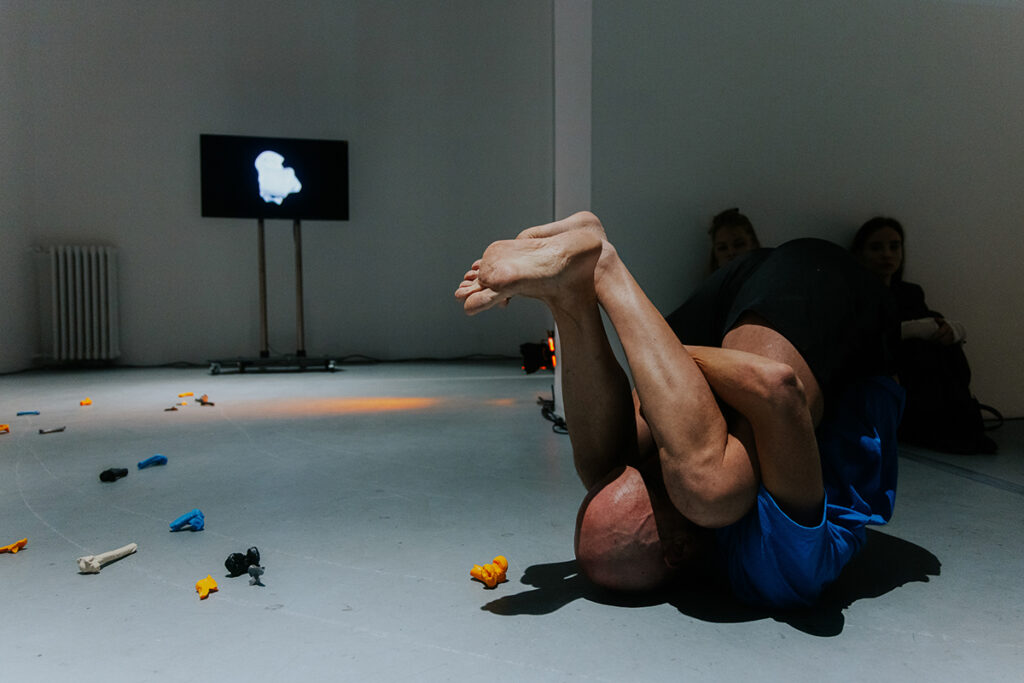
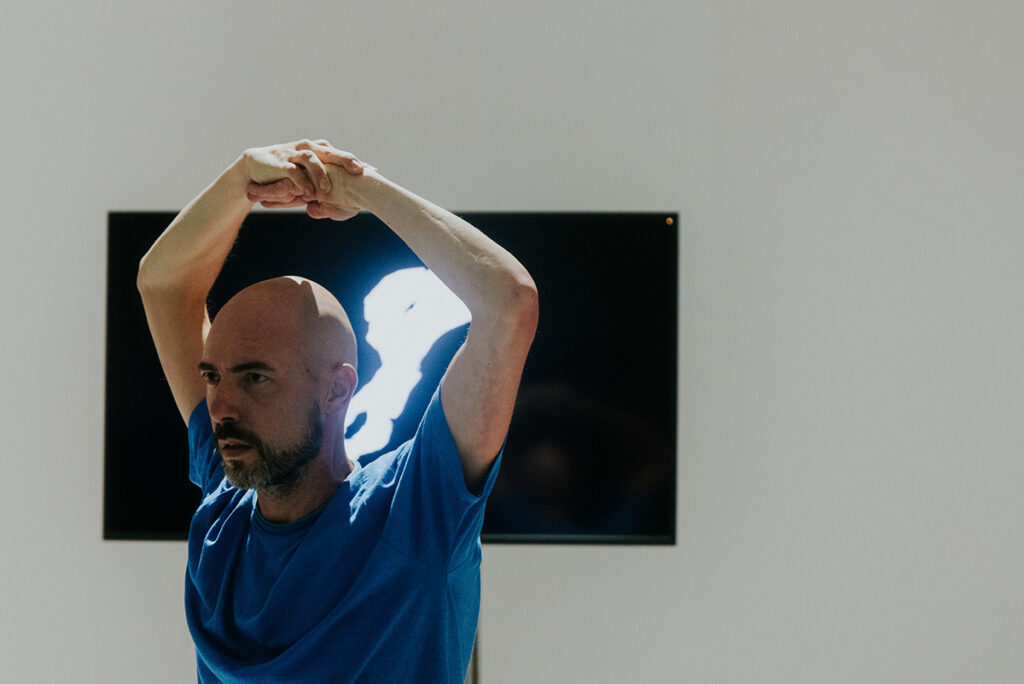
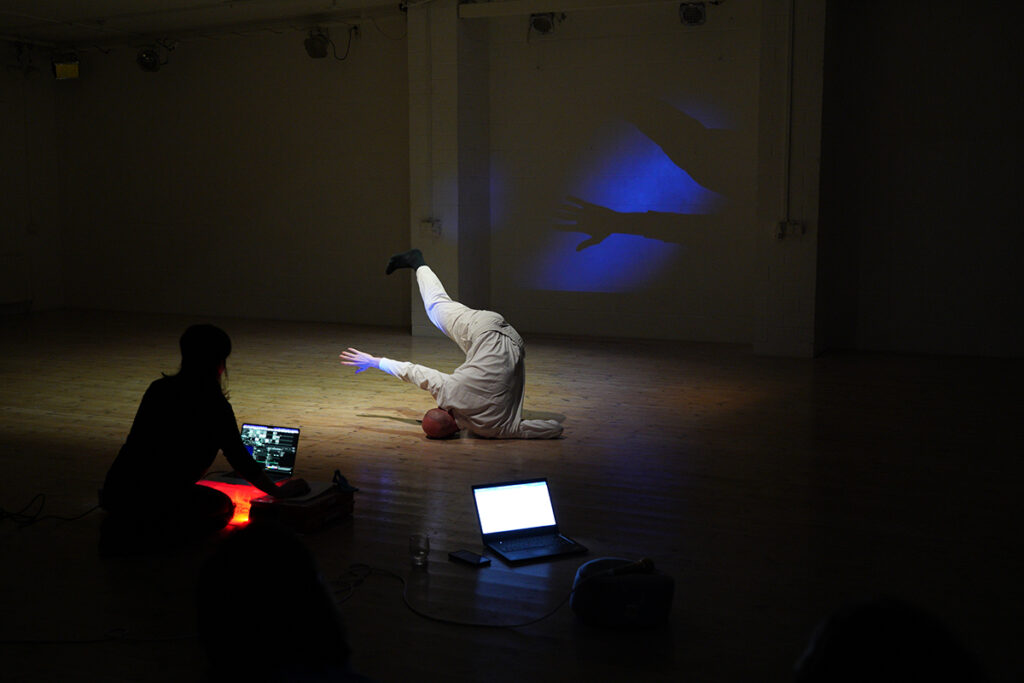
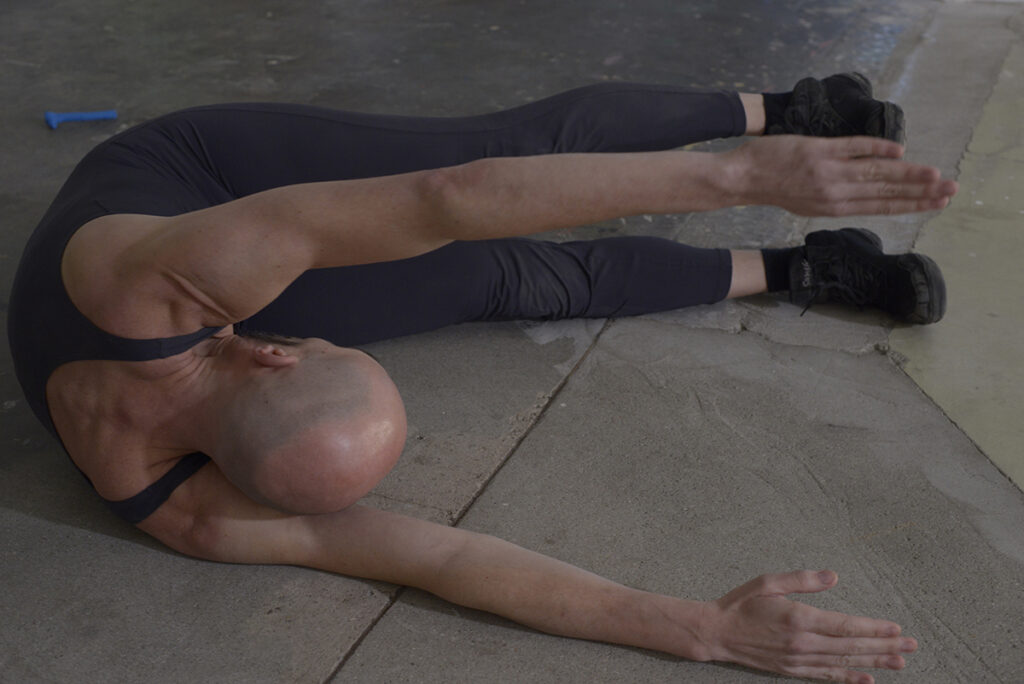
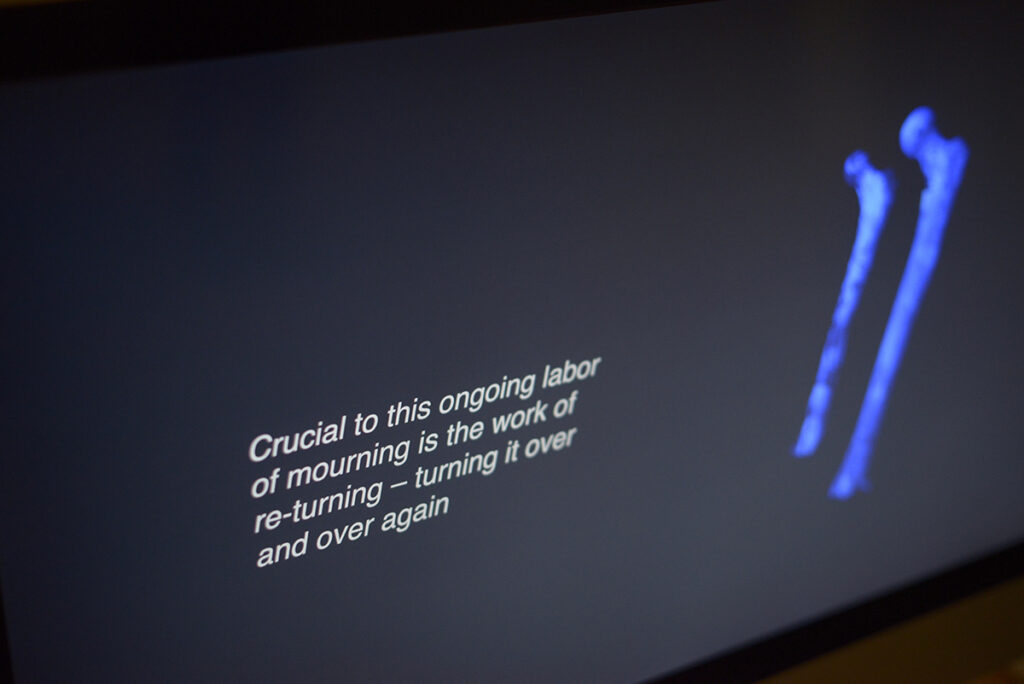
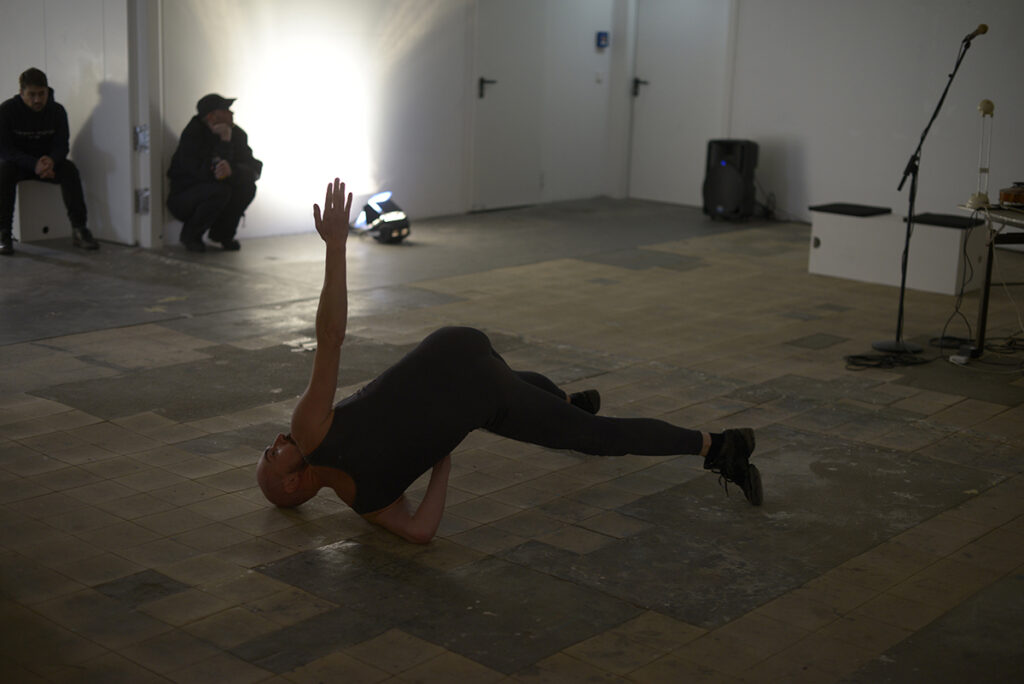
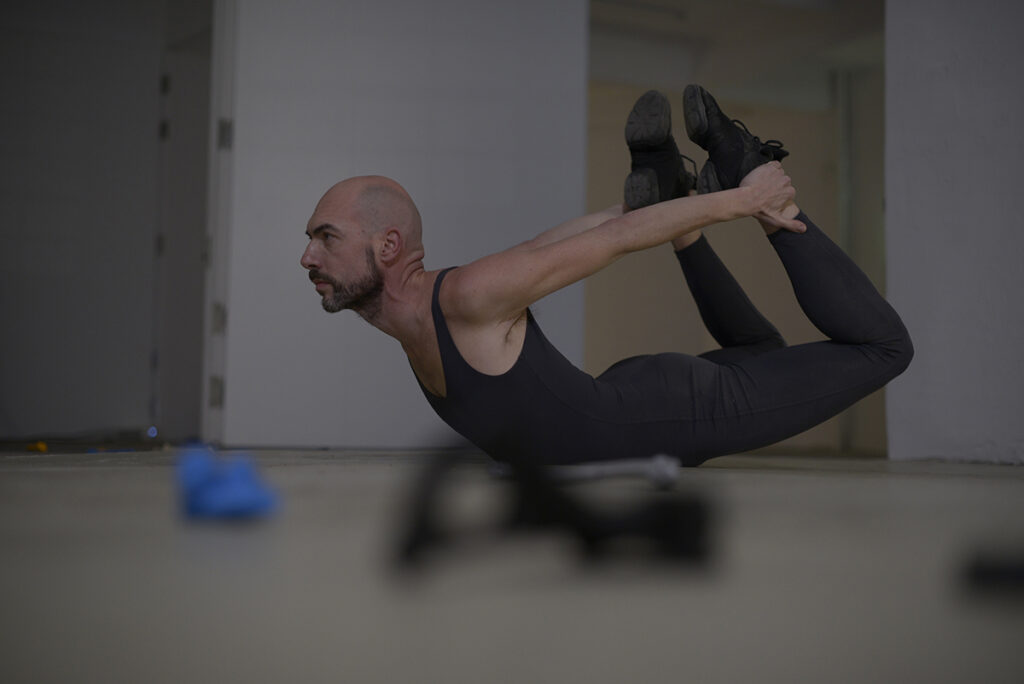
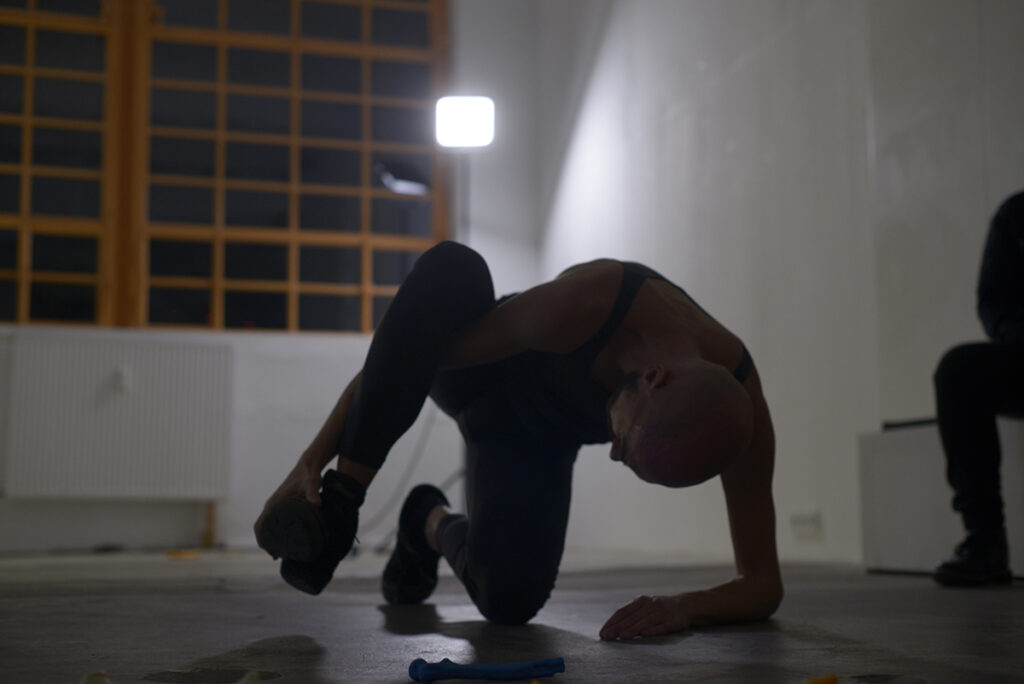
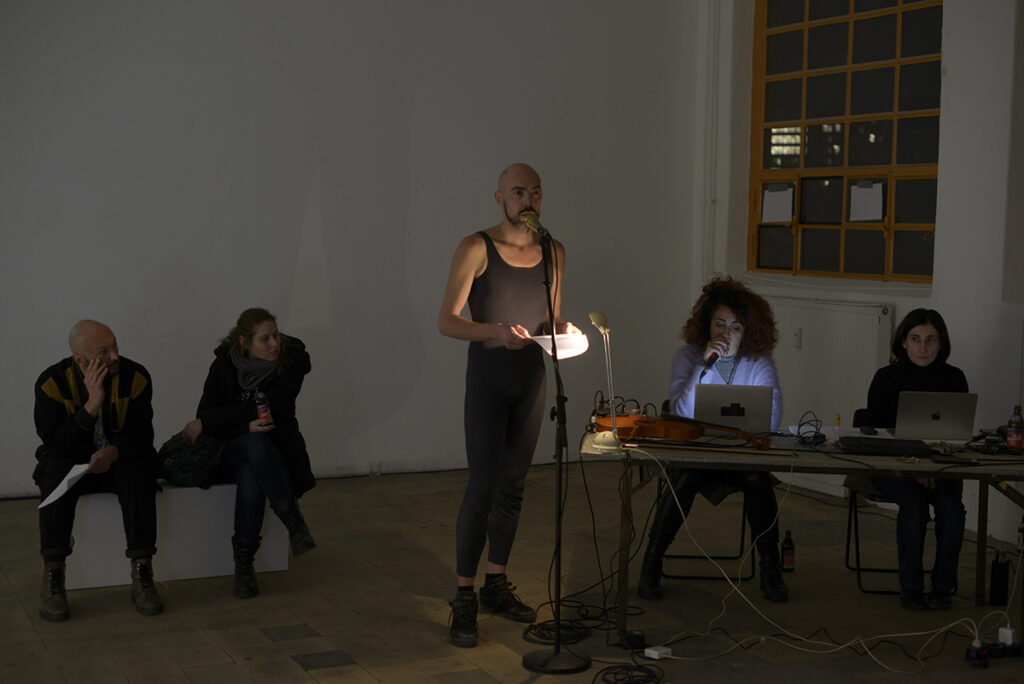
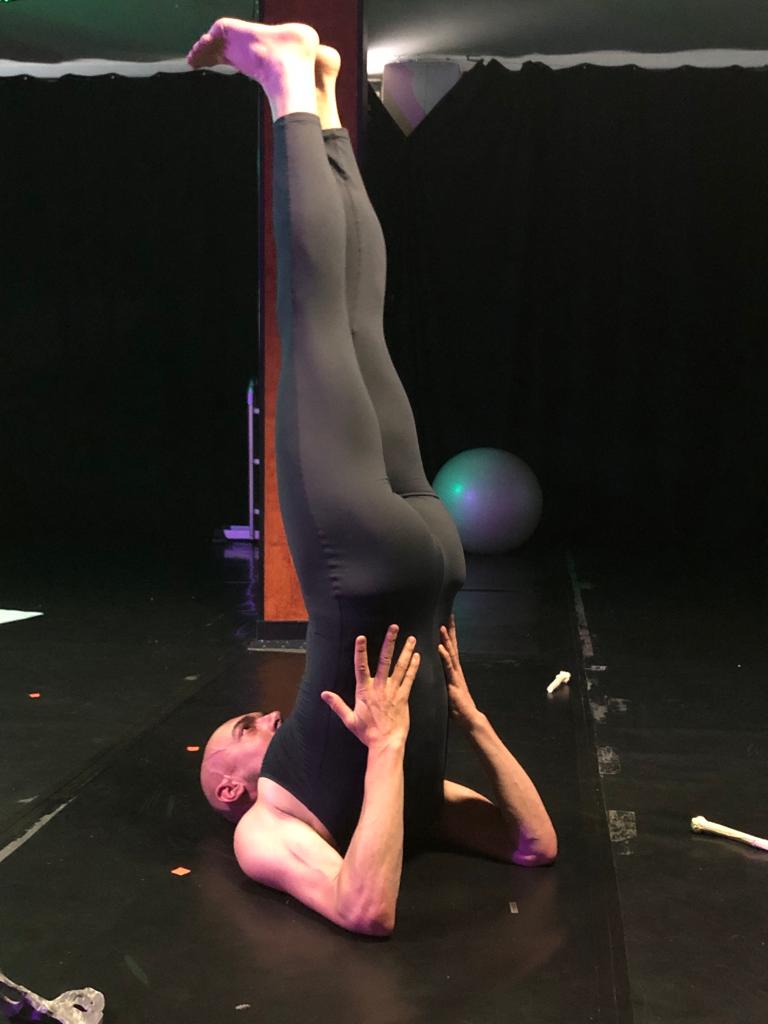
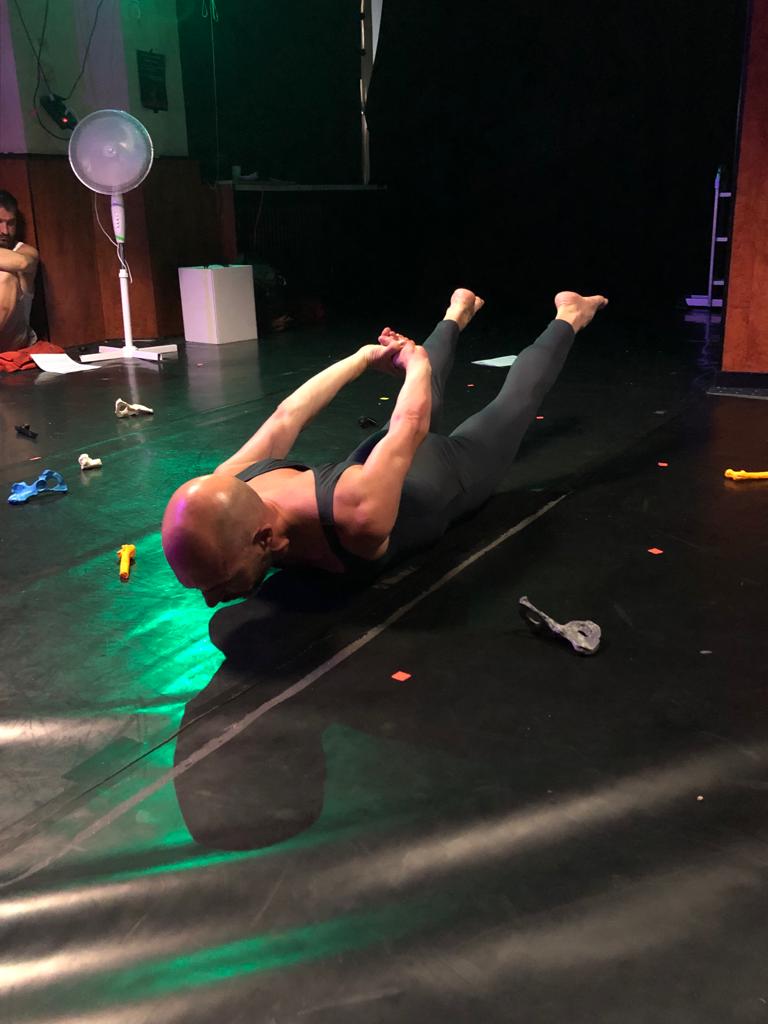
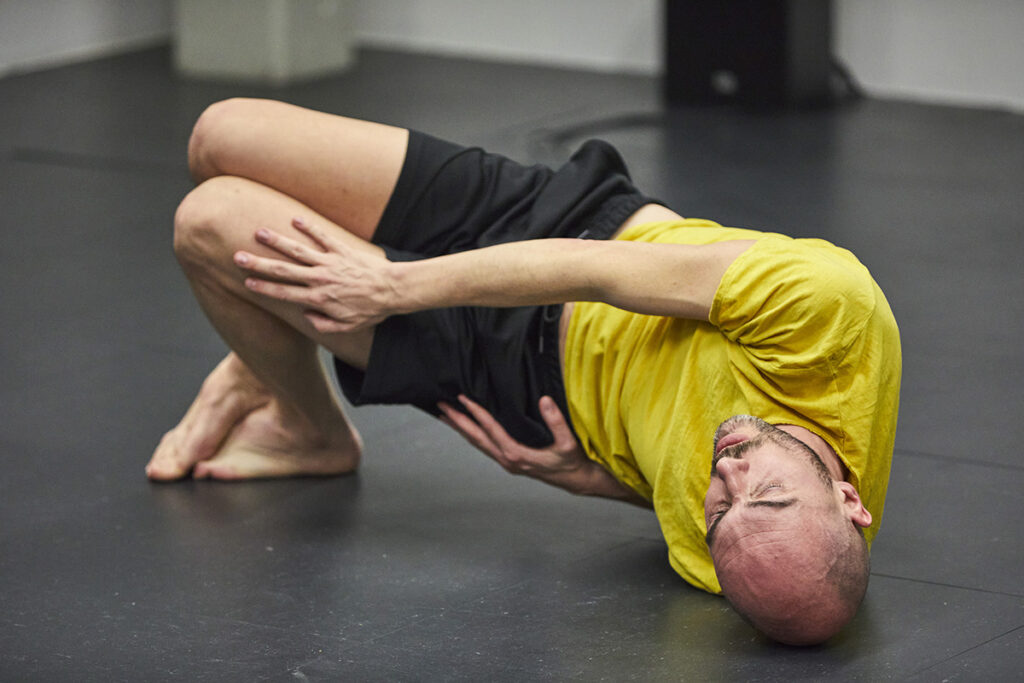
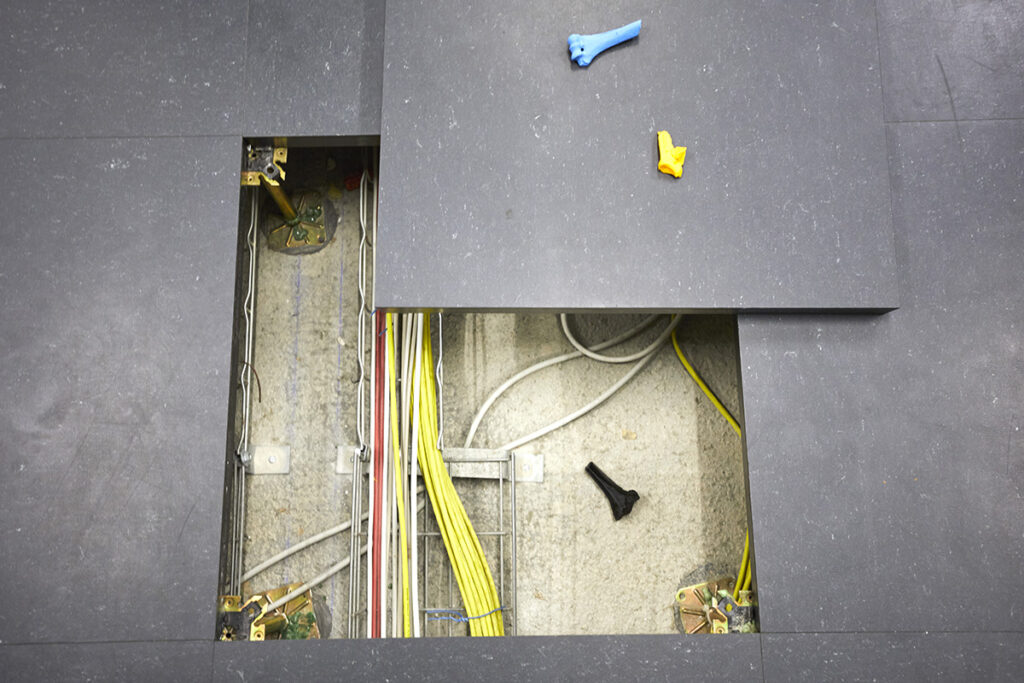
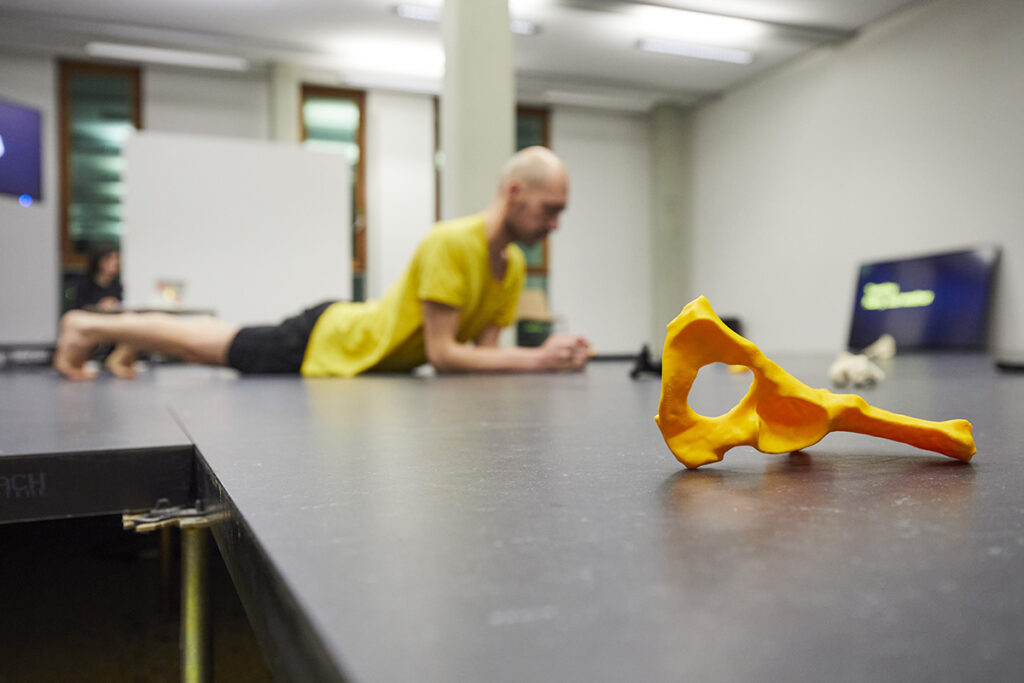
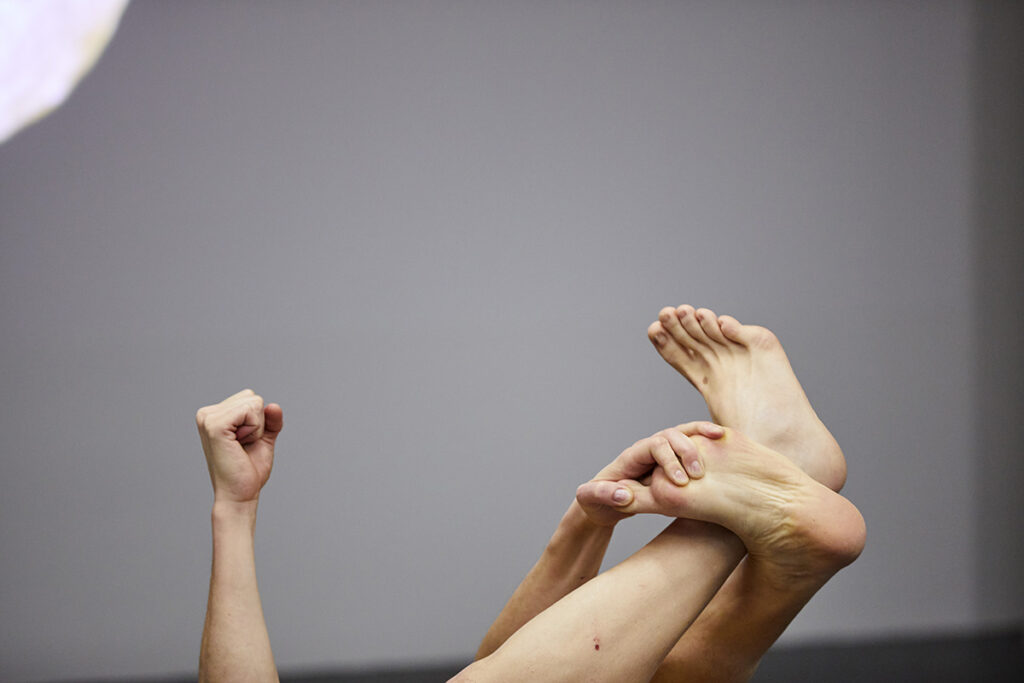
    As images of Lucy’s bones and their 3D-printed variants are shown during the performance, Rilaben tries to respond to the images and objects with his own body: at the same time letters, read by Rilaben himself, resonate in the space, while video sources show historical facts, related to the Ethiopian War, Lucy’s history and family history.

    In order to elaborate our personal and collective connections with the colonial past, we choose a performative dimension that conceives remembering as a corporeal and material practice, so that we do not get stuck between amnesia and an inability to act.

    The performance is intended as a form of meditation in which the doubling of the name ‘Lucia/Lucy’ unlocks a multitude of relationships, while activating interference and resonance between different levels of time and meaning.

    Philosopher Alexis Shotwell suggests that “thinking in terms of interdependence helps us work from the understanding that our bodies and selves are complex coproductions of our self, other people, the social relations that undergrid our world, and the material realities in which we live.” Not only are family stories interwoven in Dear Lucy. In an expansive, performative montage, Rilaben/Paz also capture the material elements of the different narratives, converging categories such as organic and inorganic, colonial medicine and paleoanthropology, ancestors and future. (from Franz Thalmair and Gudrun Ratzinger’s exhibition text)

    • Dear Lucy

      Project

      Dear Lucy

      Rilaben/Paz

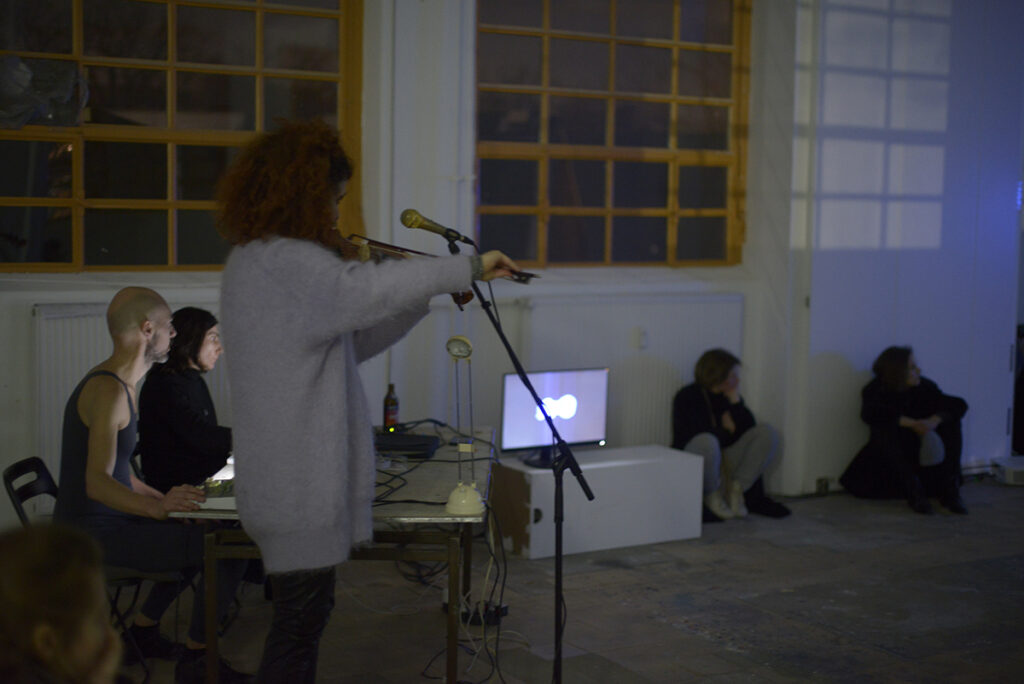
      sound: JDZazie e Cristina Abati

      live music: Cristina Abati, viola

    Images and video shot at the performance at Kunstraum Lakeside – Klagenfurt – 17.01.2023. Ph credits: Johannes Puch

  • FAMA group

    FAMA group

    FAMA is an ongoing collaborative framework initiated in 2016 together with Rachel Morellet, Tatiana Villani and Eva Sauer.

    Developed through exhibitions, residencies, collective research, conversations, and temporary cohabitations, the collaboration explores the notion of metastability not only as a conceptual field but also as a working method. Each artist maintains her own practice, references, and research trajectories, while the group functions as an unstable and evolving space of exchange, influence, and shared production.

    Rather than operating as a fixed collective producing unified works, FAMA develops through temporary alignments between individual and collective processes. Exhibitions, discussions, political urgencies, technical experimentation, and shared forms of living and working continuously reshape the collaboration and inform the practices of its members.

    Since 2016, FAMA has participated in exhibitions, conferences, and residencies across Italy and abroad, including projects at Villa Romana, Florence; MOM Art Space, Hamburg; La Déviation, Marseille; Fondazione Jorio Vivarelli, Pistoia; Villa Galileo, Florence; GAMC, Viareggio; and ULUS, Belgrade.

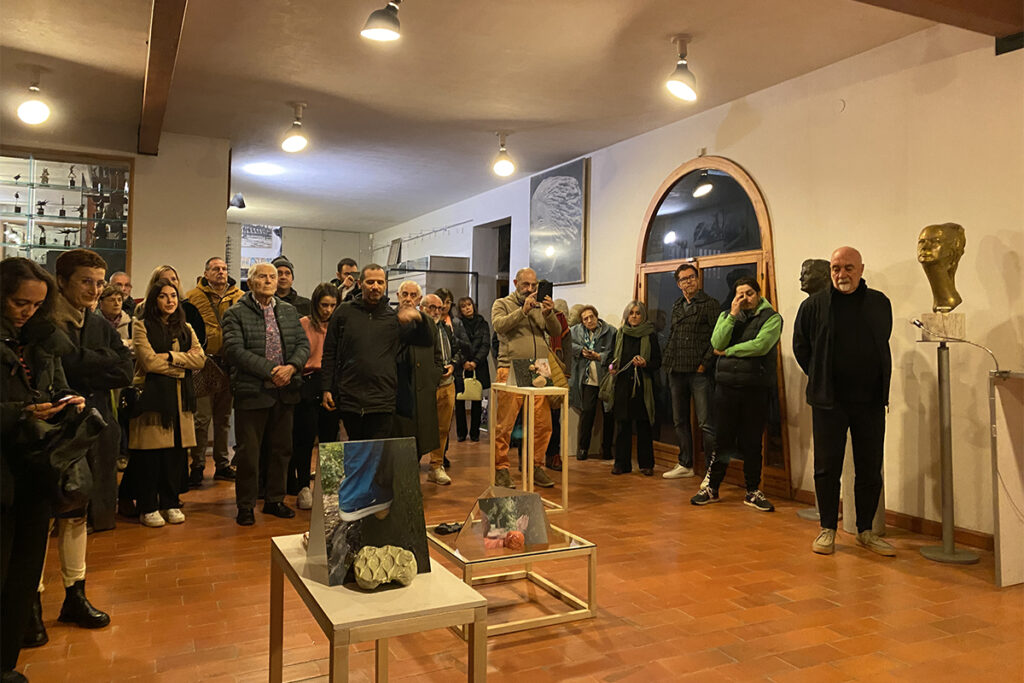
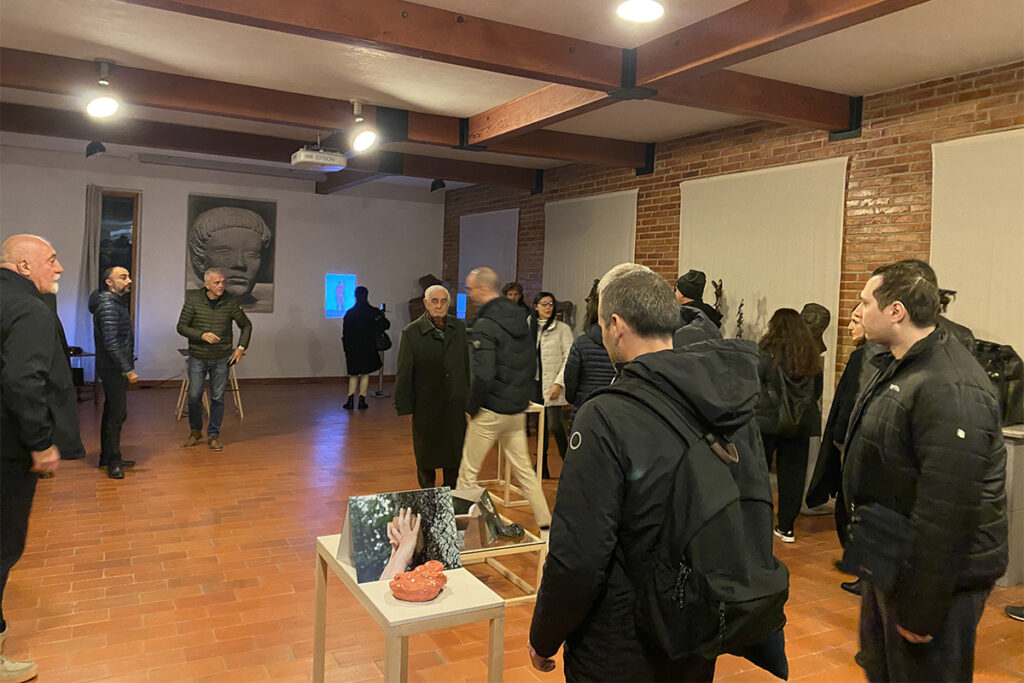
    09/2024 – 01/2025 – Nuovi Equilibri

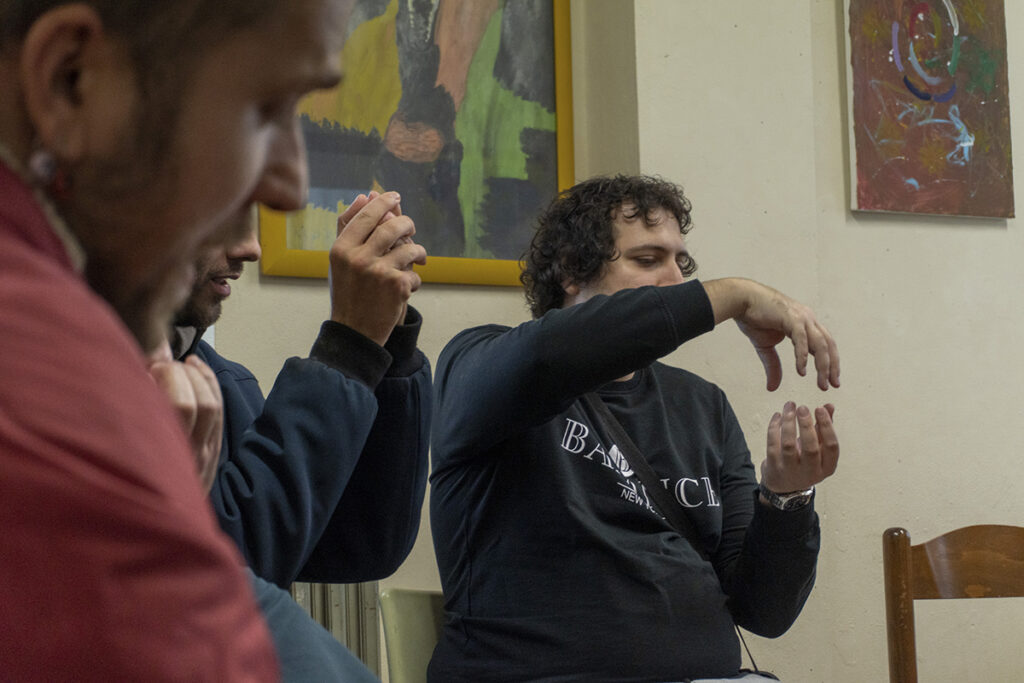
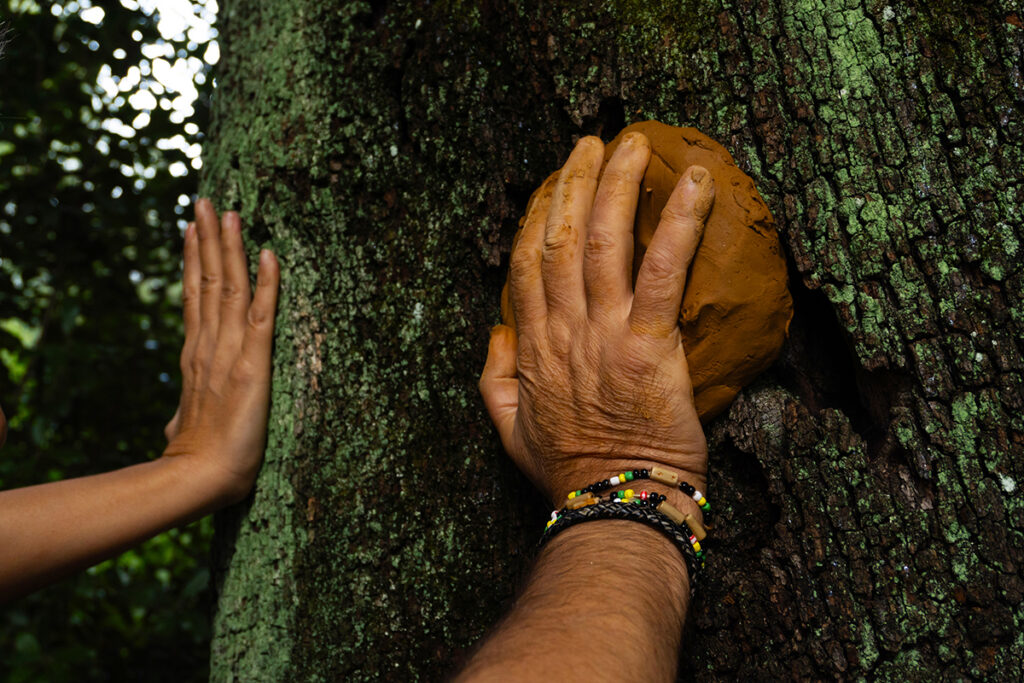
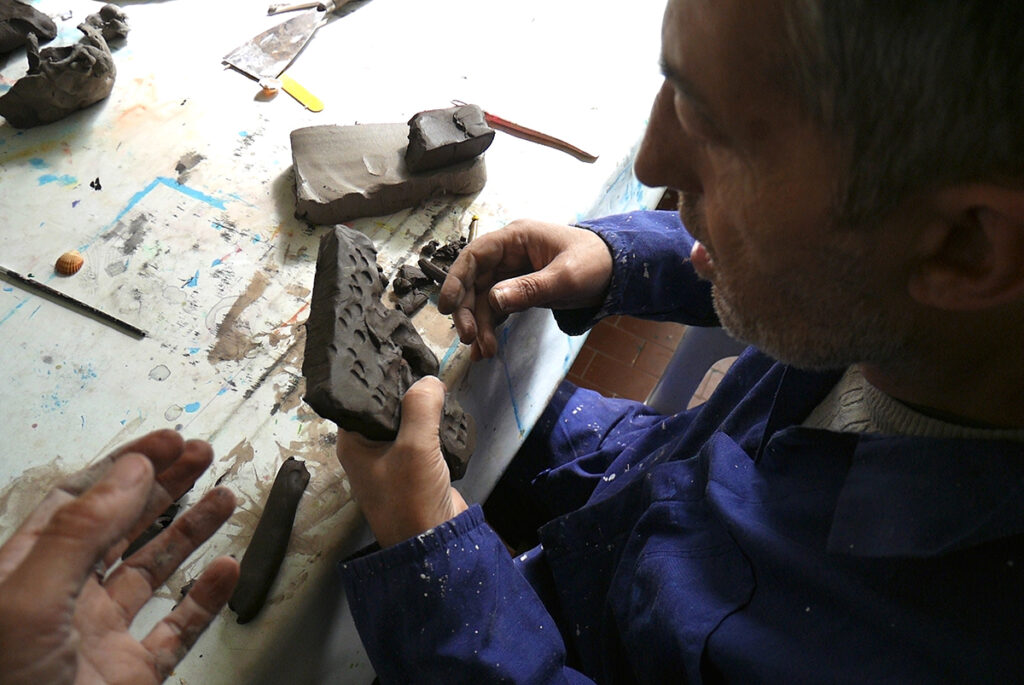
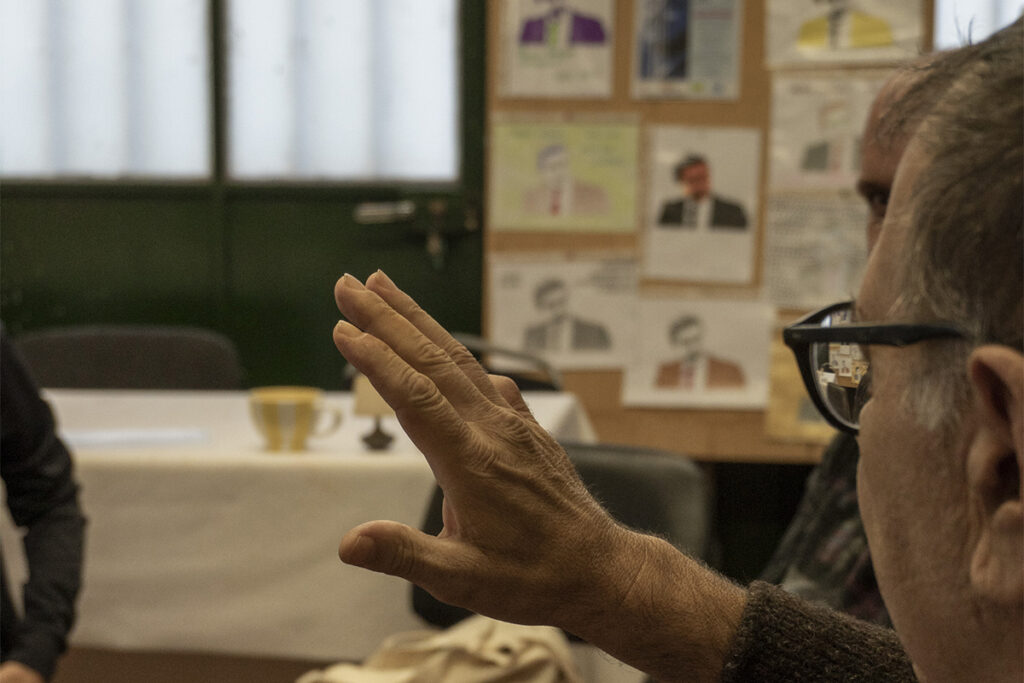
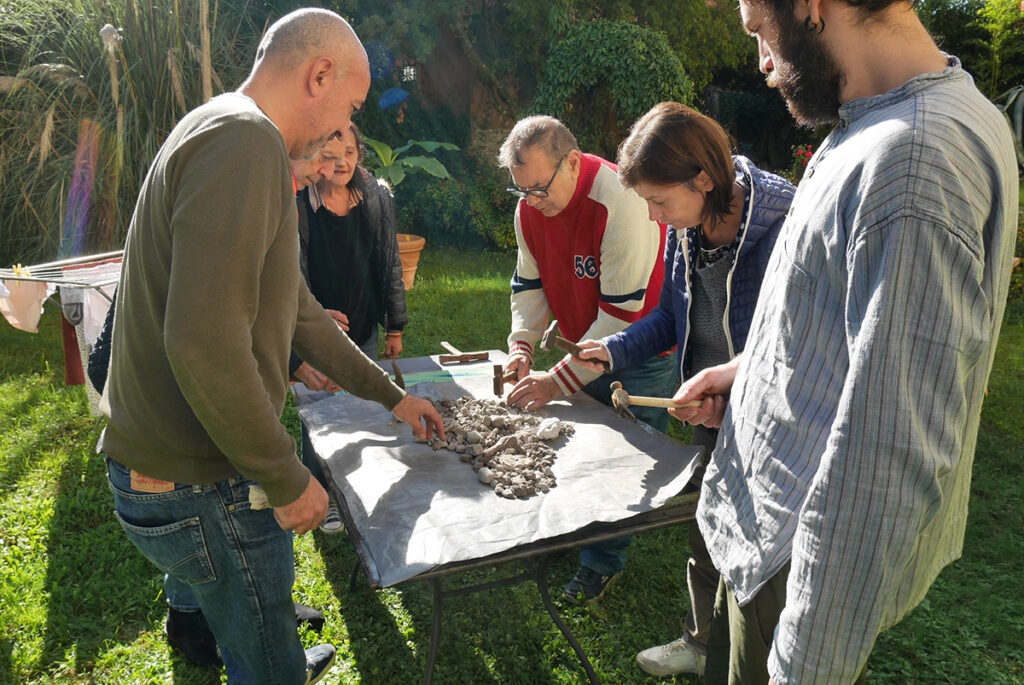
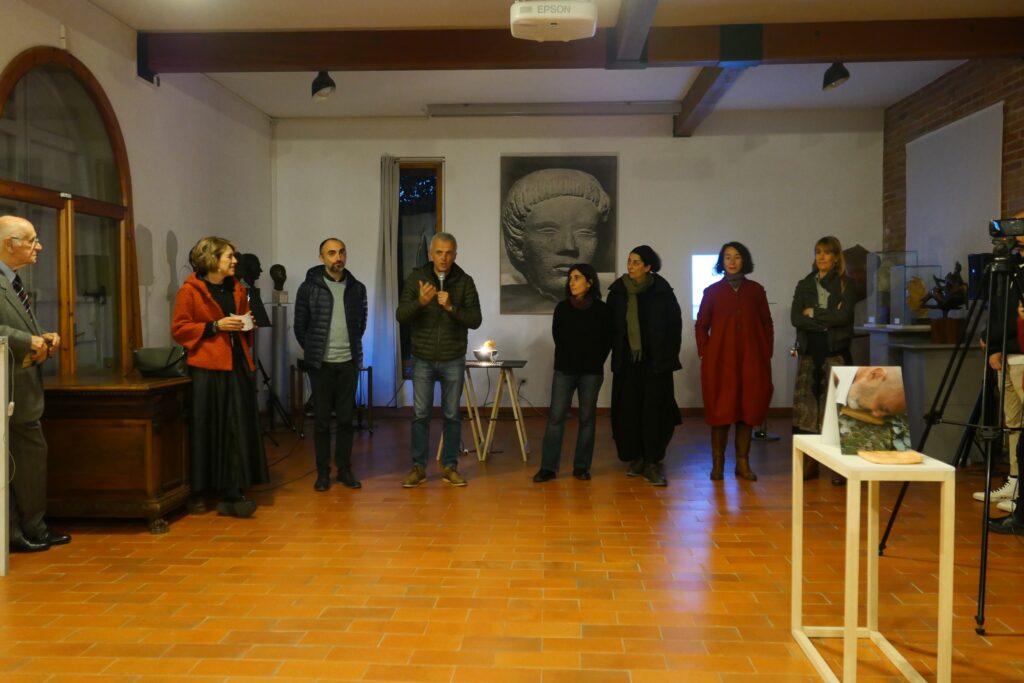
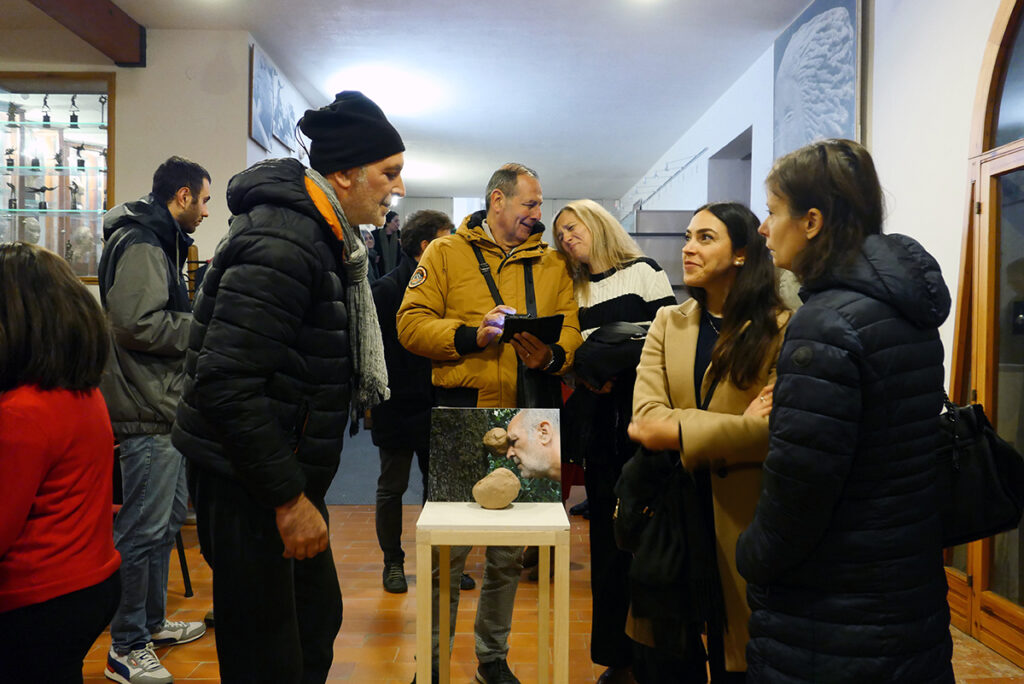
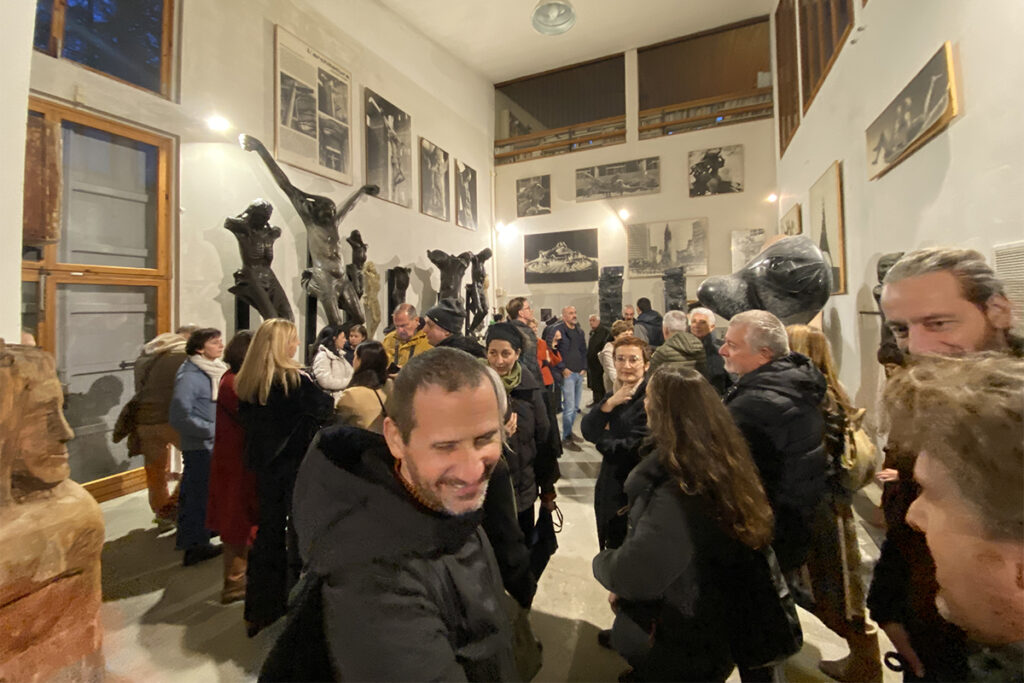
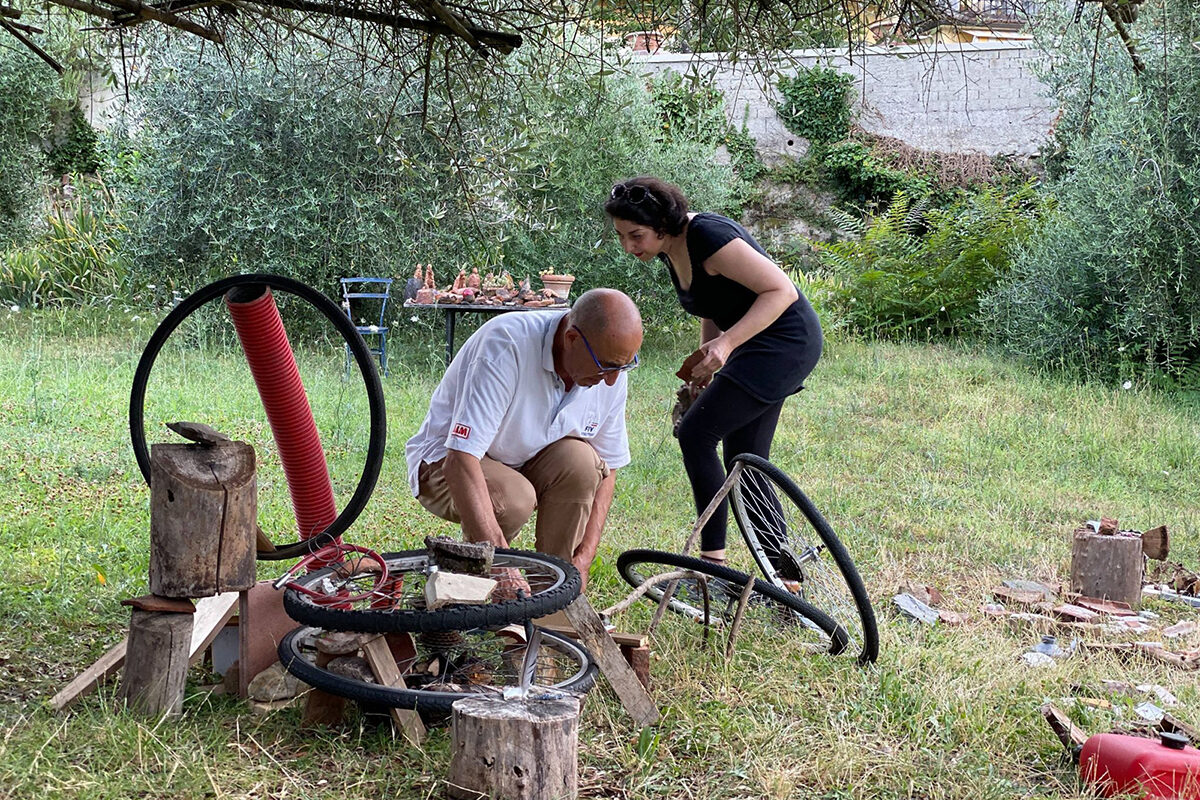
    Nuovi Equilibri was a collective project developed in 2024 by FAMA in collaboration with the mental health center Mah,Boh! – Officina delle Possibilità and Fondazione Jorio Vivarelli, curated by Giacomo Bazzani and supported by ToscanaInContemporanea. Through workshops, performances, sculpture, sound, and collective practices, the project explored balance as a fragile and continuously changing condition, investigating the relations between body, instability, transformation, and social coexistence. Bringing together artists, participants, caregivers, and local communities, Nuovi Equilibri unfolded as a shared process of creation, listening, and mutual transformation. A catalogue accompanying the project was published by Metilene Edizioni. See also the resulting work.

    09/2024 – 11/2024 – @Mah,Boh! – Officina delle Possibilità, workshops


    16.11/2024 – 30.11/2024 @Fondazione Jorio Vivarelli, exhibition


    15.12/2024 – 12.01/2025 @Mac,n – Museo di arte contemporanea del Novecento, exhibition

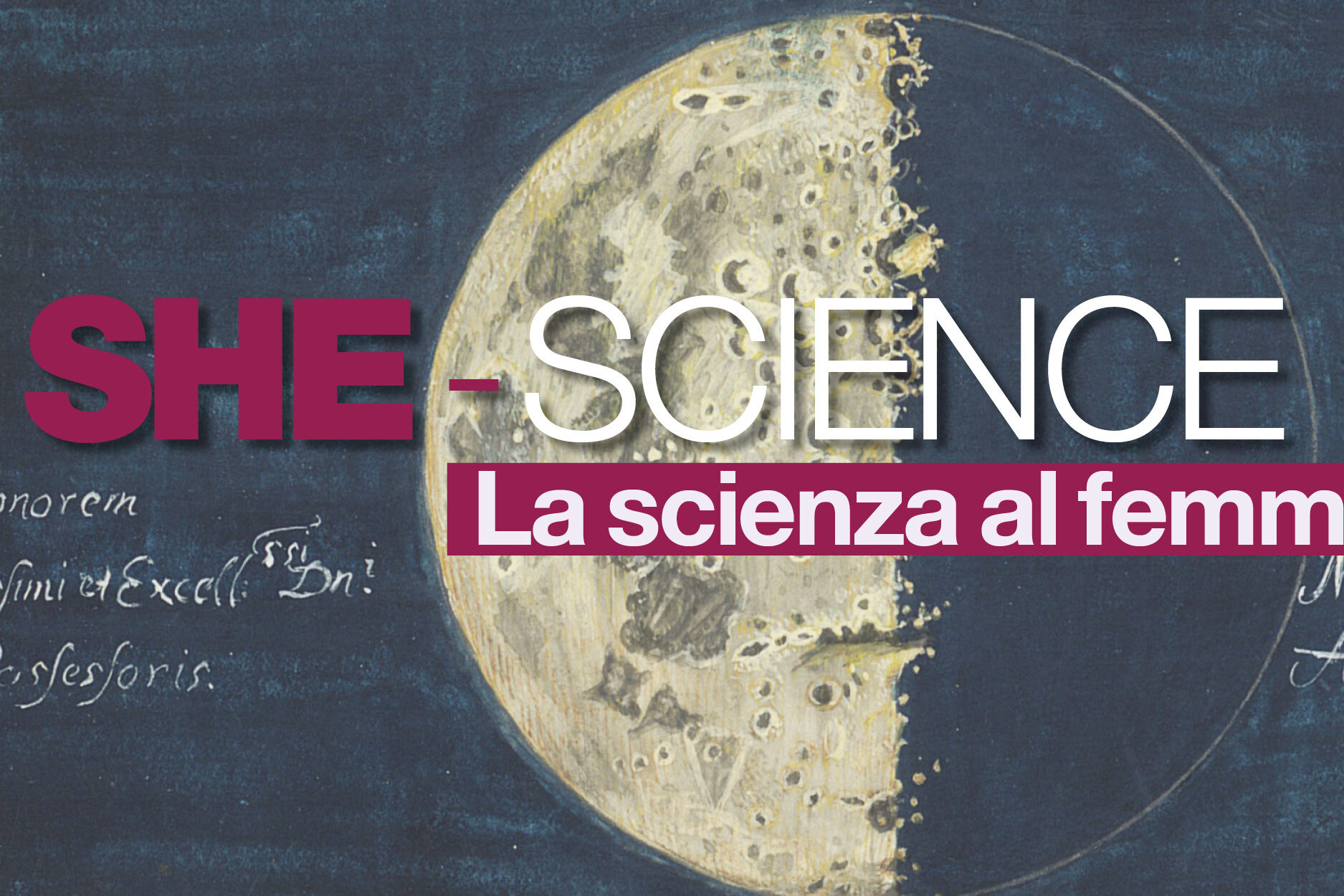
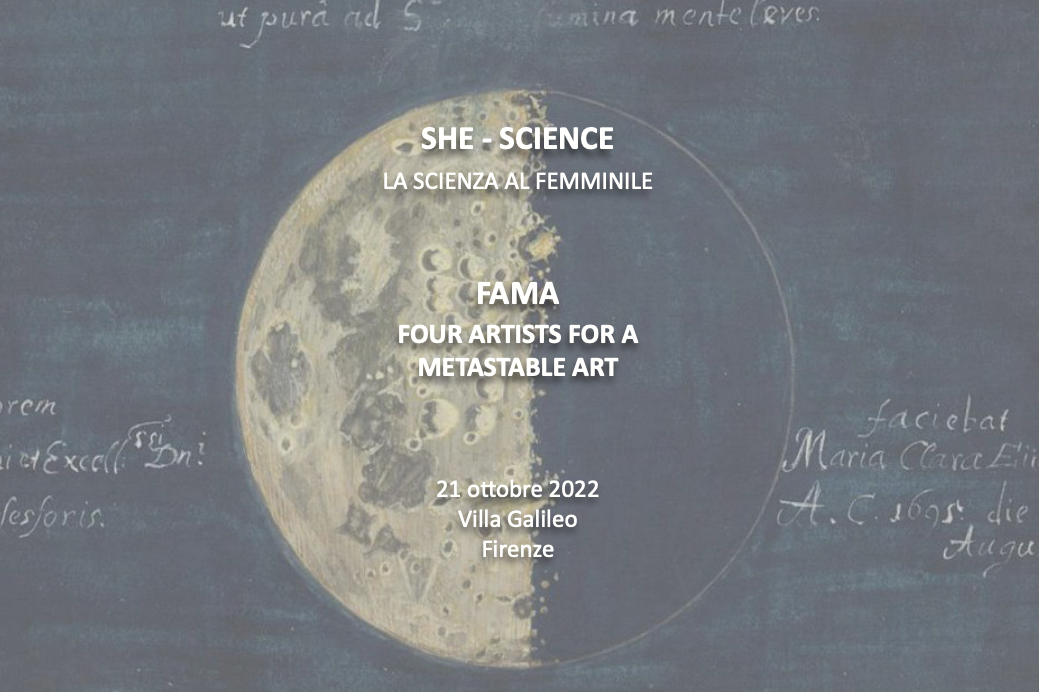
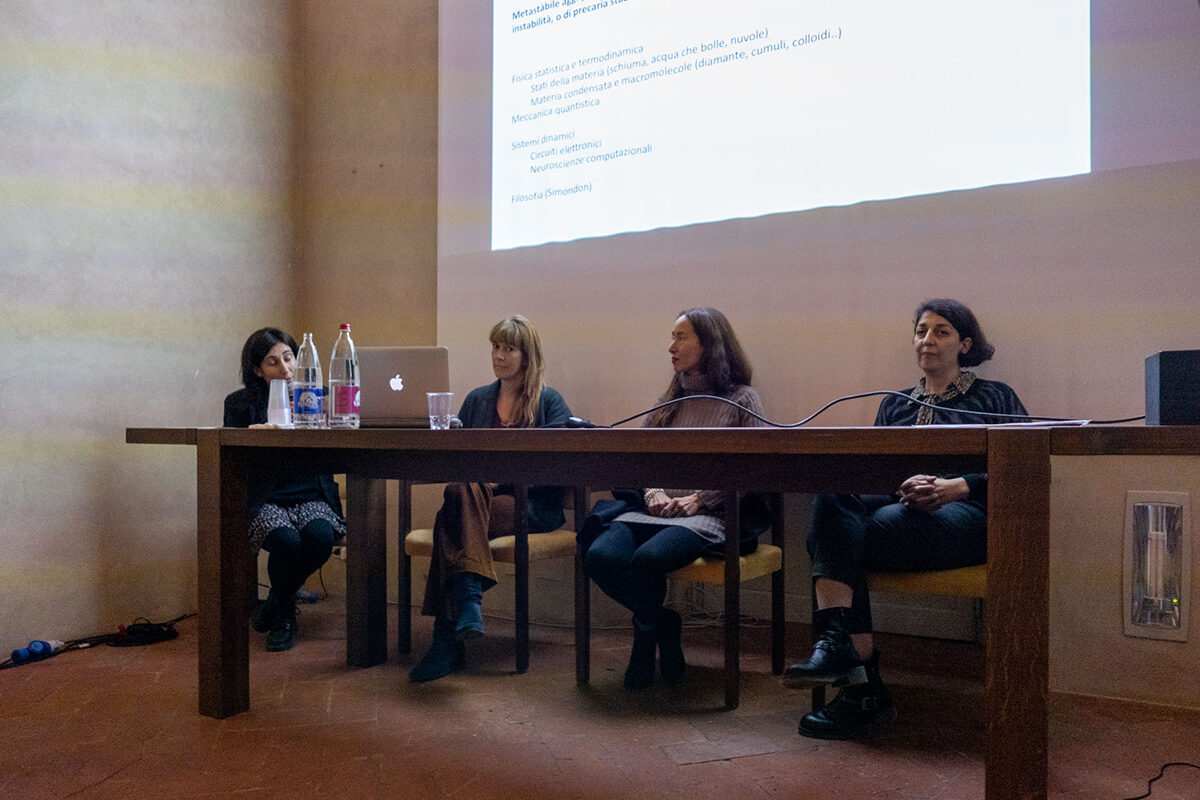
    21.10/2022 @Villa Galileo for SHE-SCIENCE La scienza al femminile – Lecture

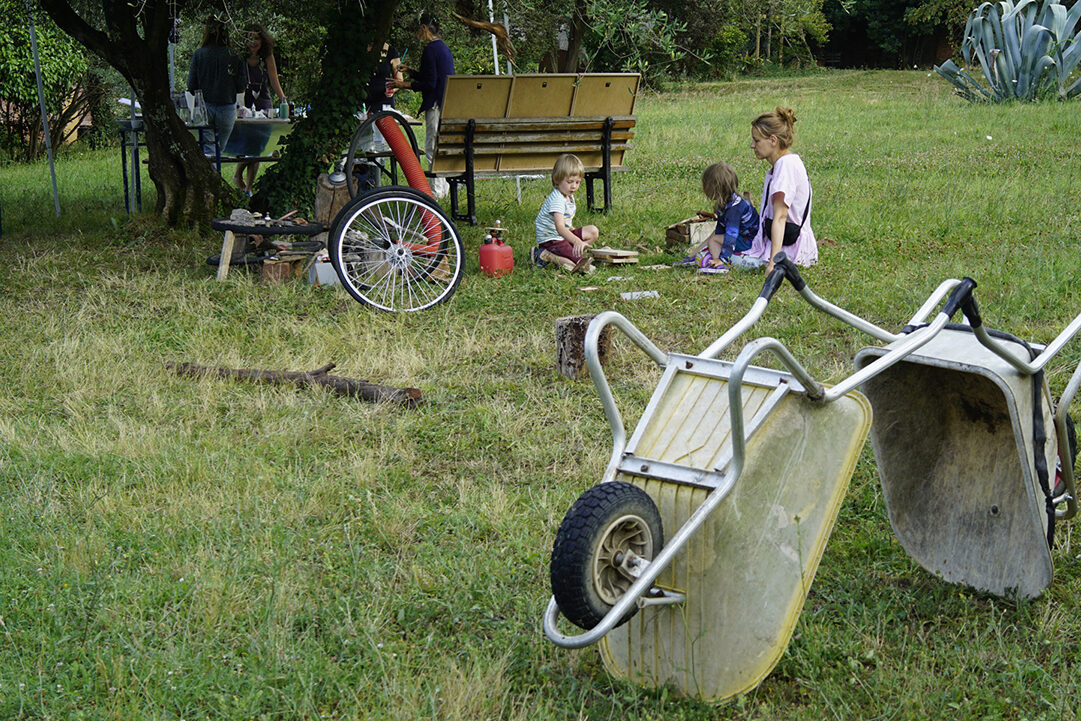
    13.07/2021 @Villa Romana for Scuola Popolare – Metastable Workshop

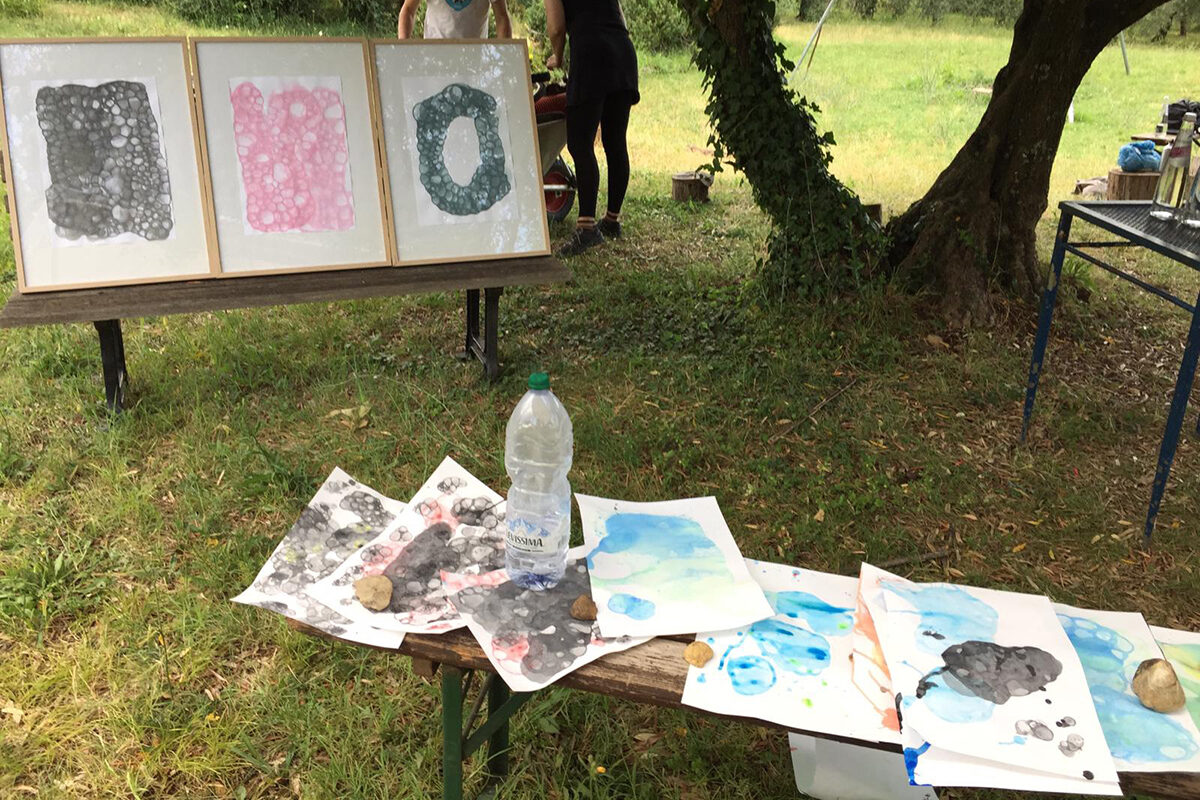
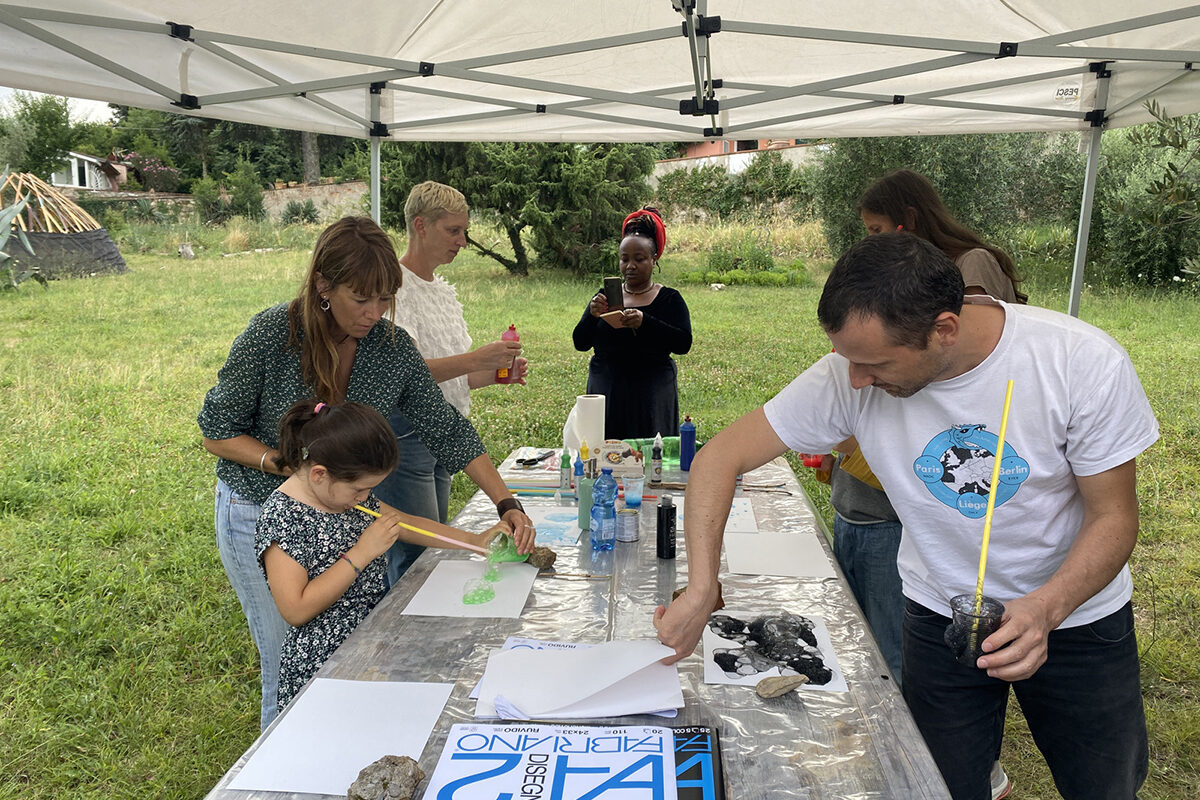
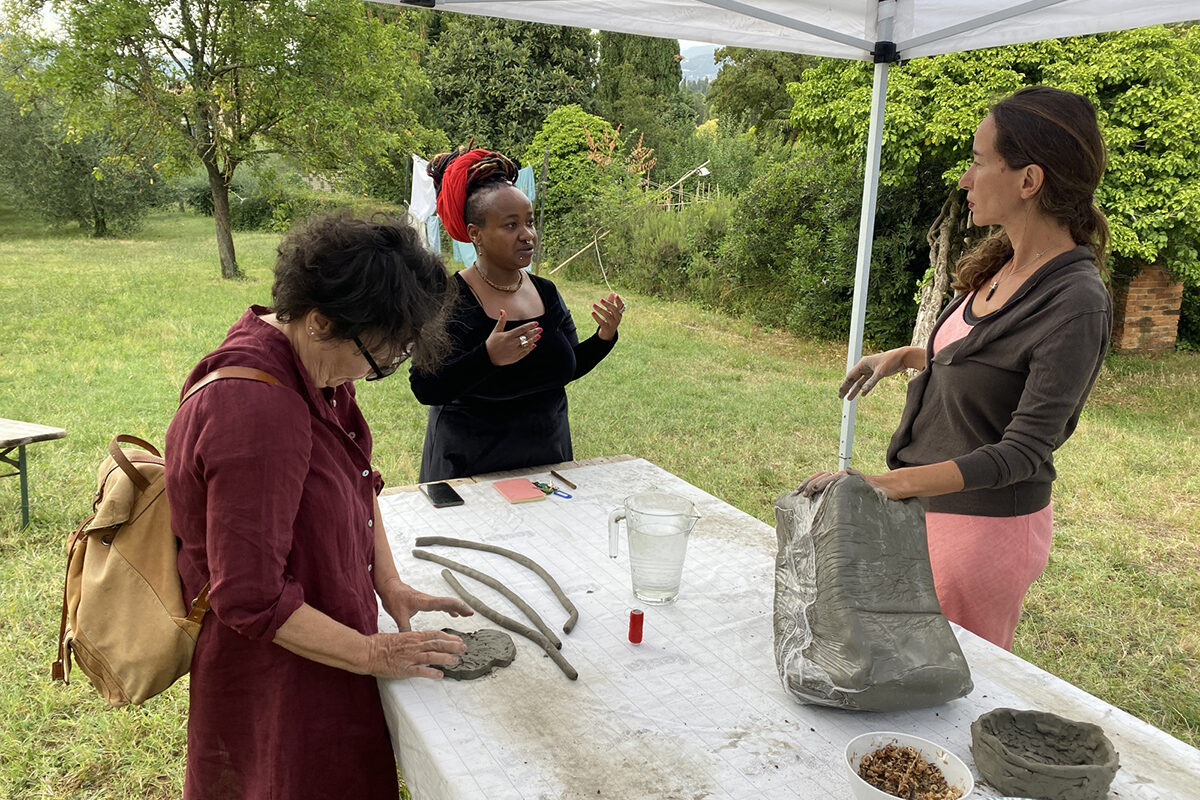
    Developed within the Scuola Popolare program at Villa Romana, the Metastable Laboratory was a participatory workshop conceived as an experimental introduction to the concept of metastability across artistic, social, and material processes.

    20.02/2020 – 01.03/2020 @Mom Art Space Hamburg – Ghost Attractor – Exhibition

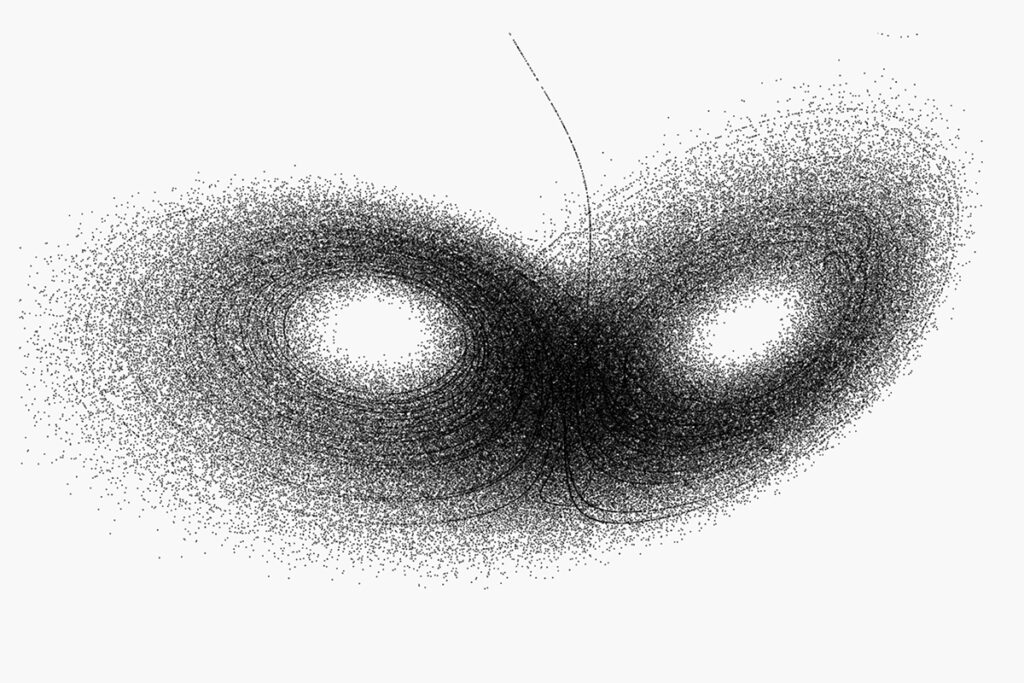
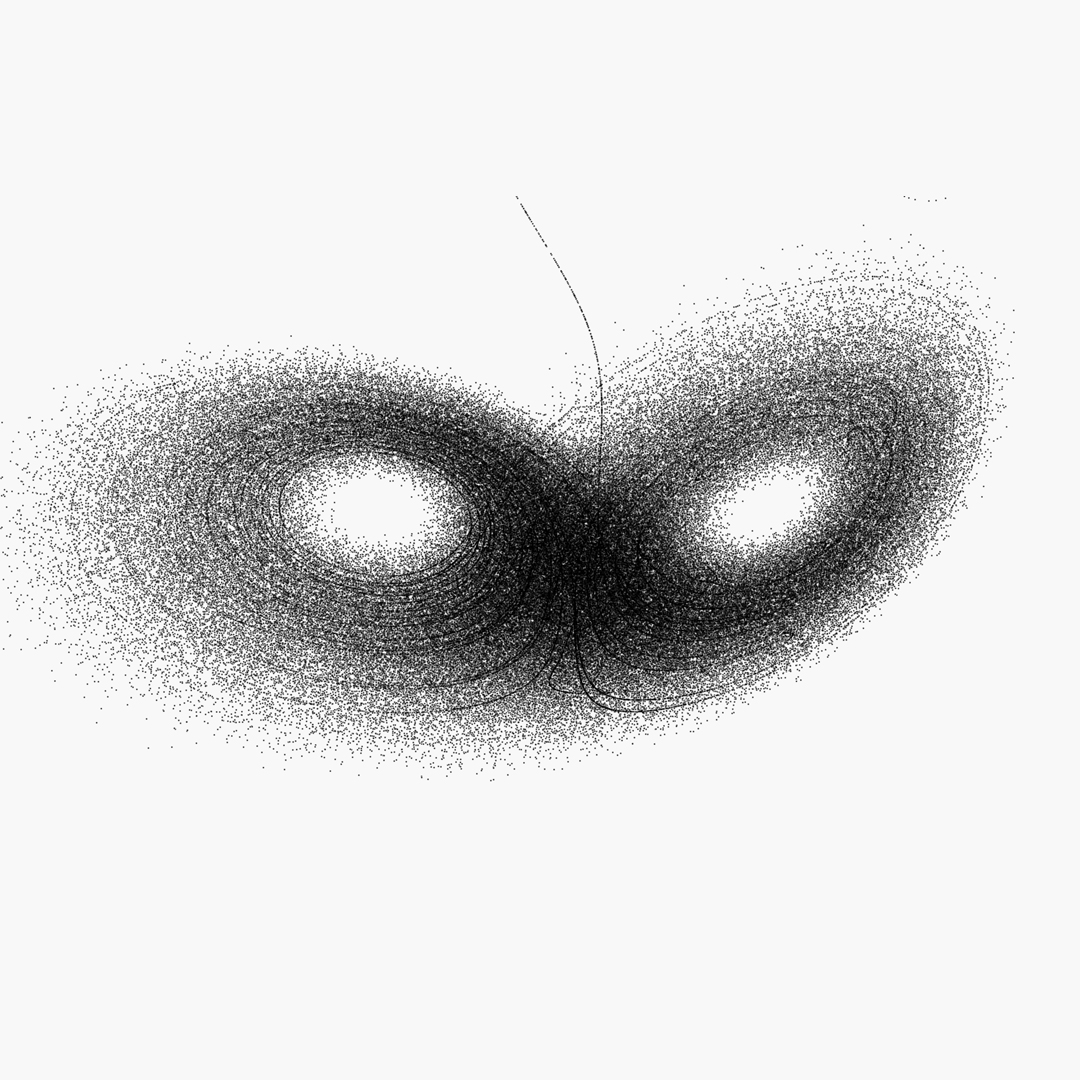
    In this exhibition curated by FAMA for MOM Art Space in Hamburg, the notion of the “ghost attractor” — borrowed from dynamic systems theory — was explored as a metastable condition suspended between presence and disappearance, memory and matter, the visible and the imperceptible. Through installations, sounds, light, shadows, movement, and ritual forms, FAMA constructed an environment of subtle passages and fluctuating presences, investigating the unstable relations between collective consciousness, memory, and invisible structures shaping experience.

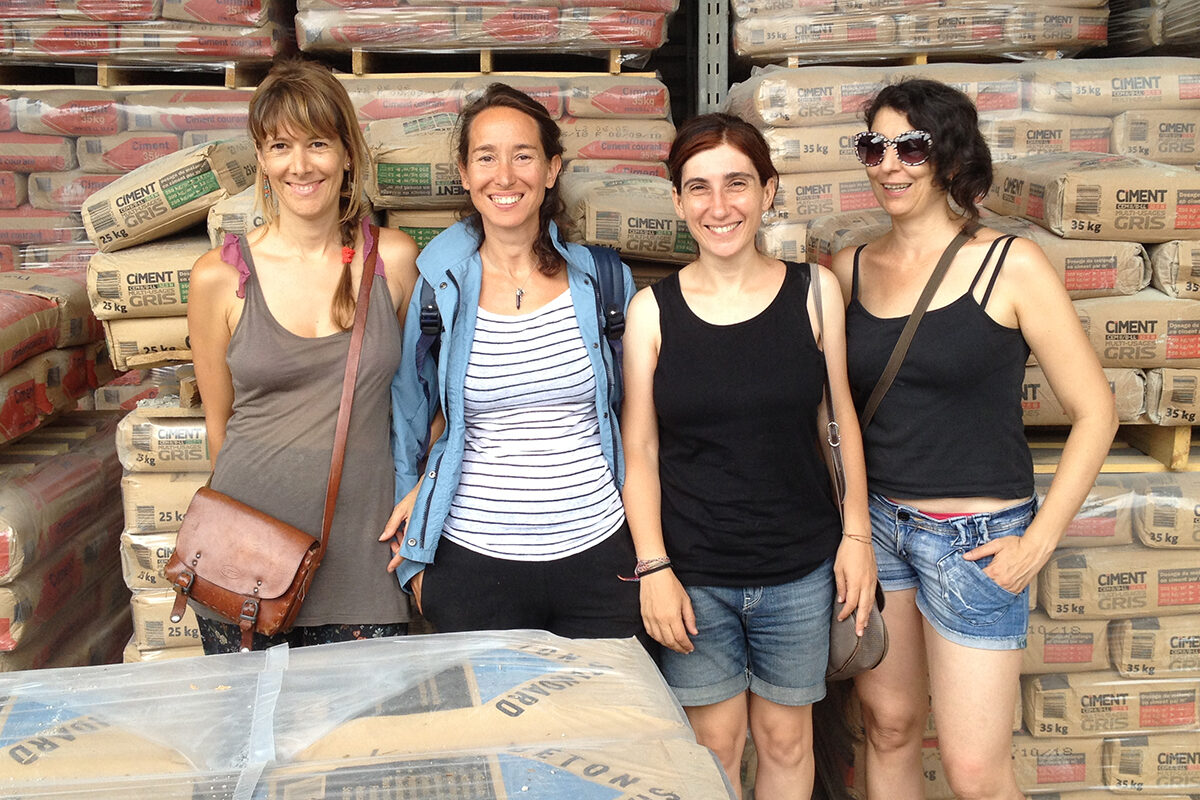
    21.08/2018 – 30.08/2018 @La Déviation – Quite Concrete – Residency & Exhibition

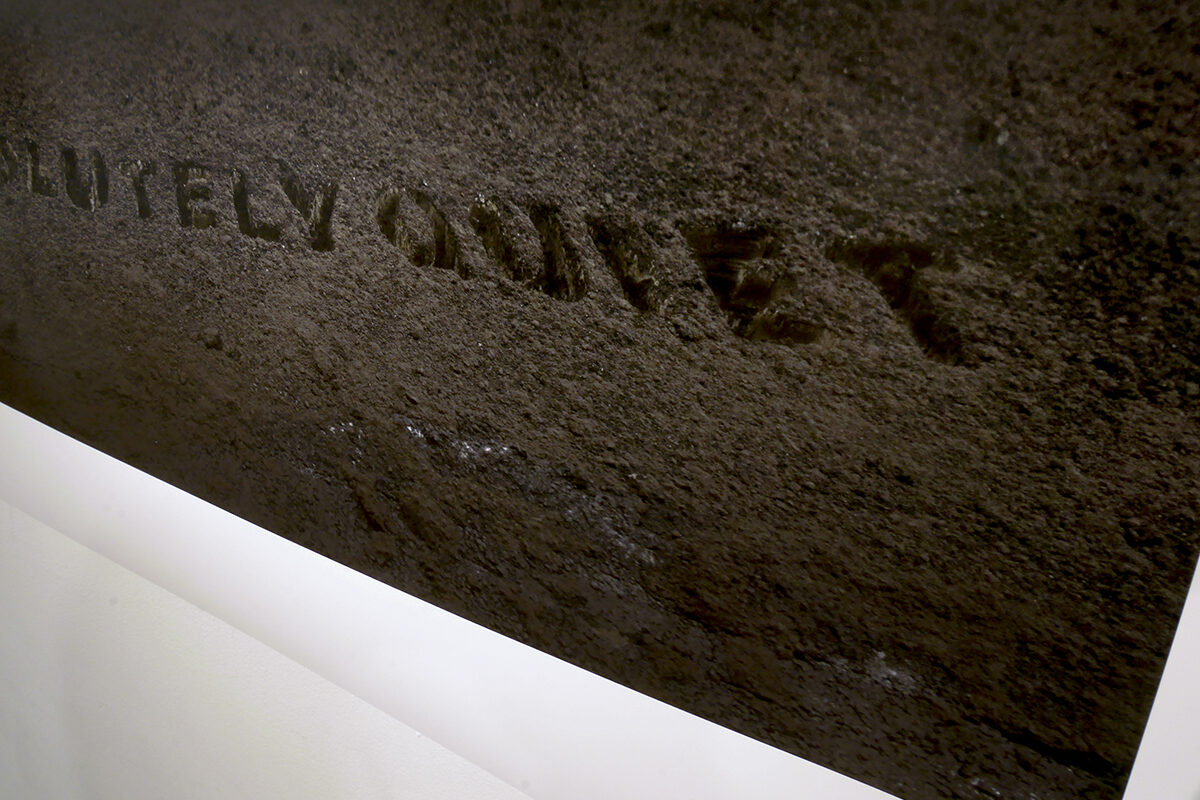
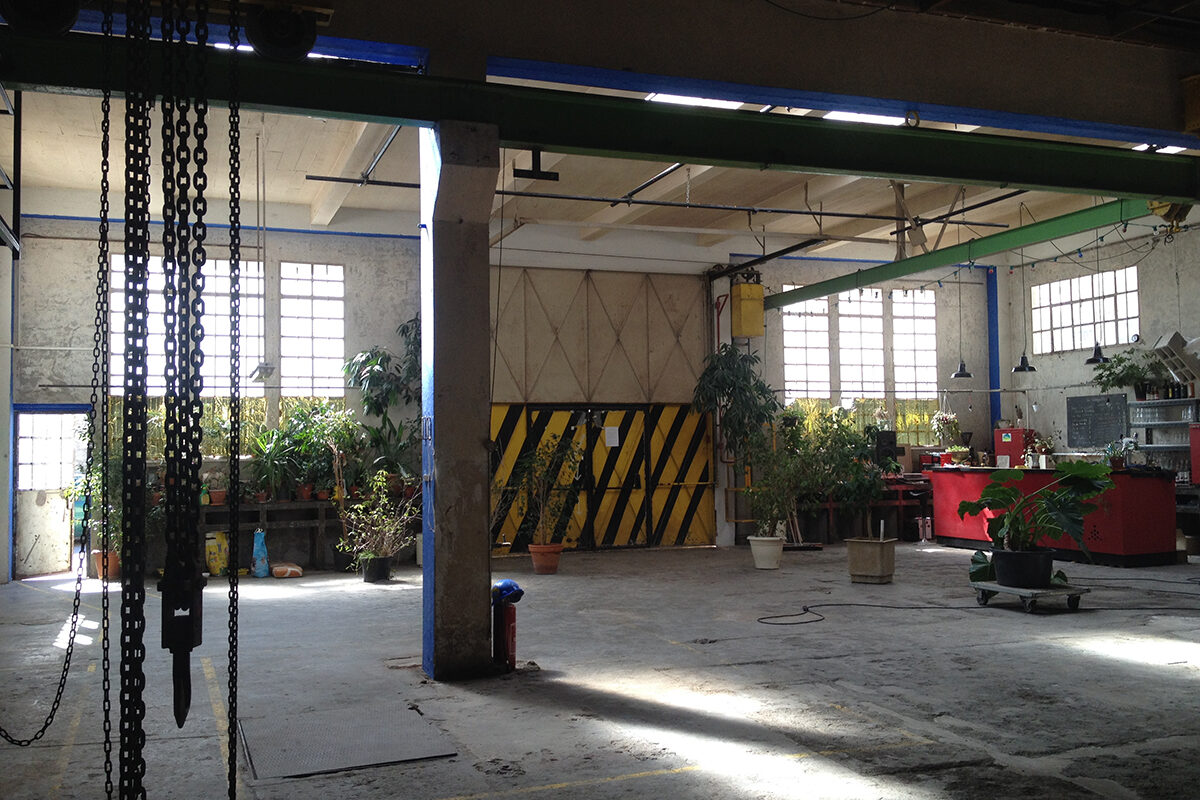
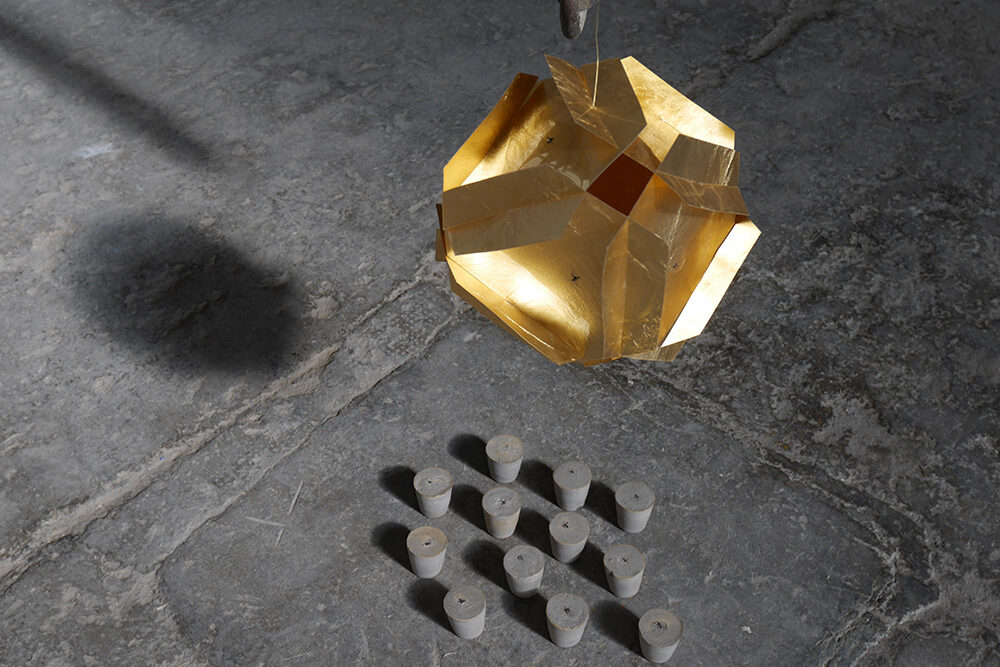
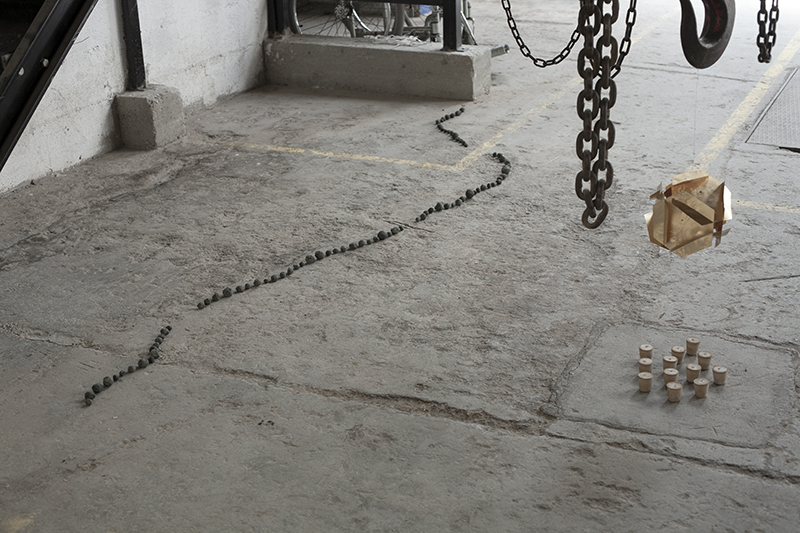
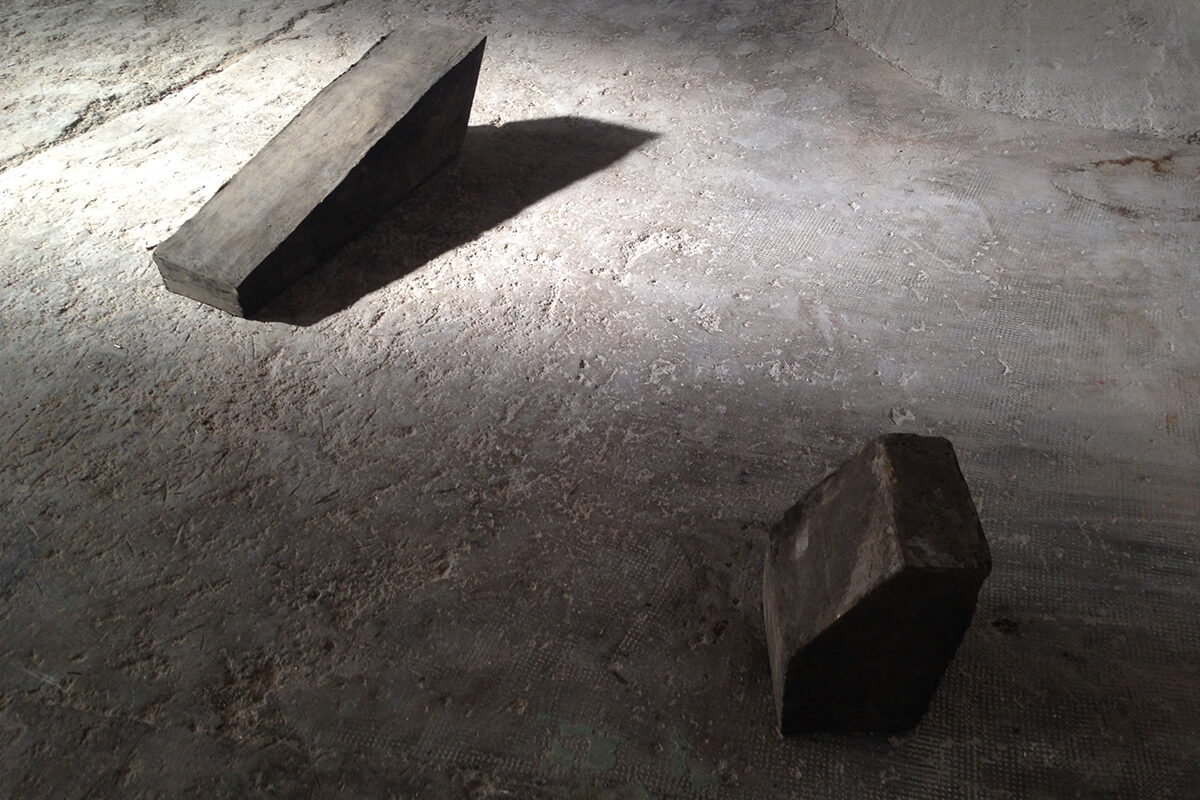
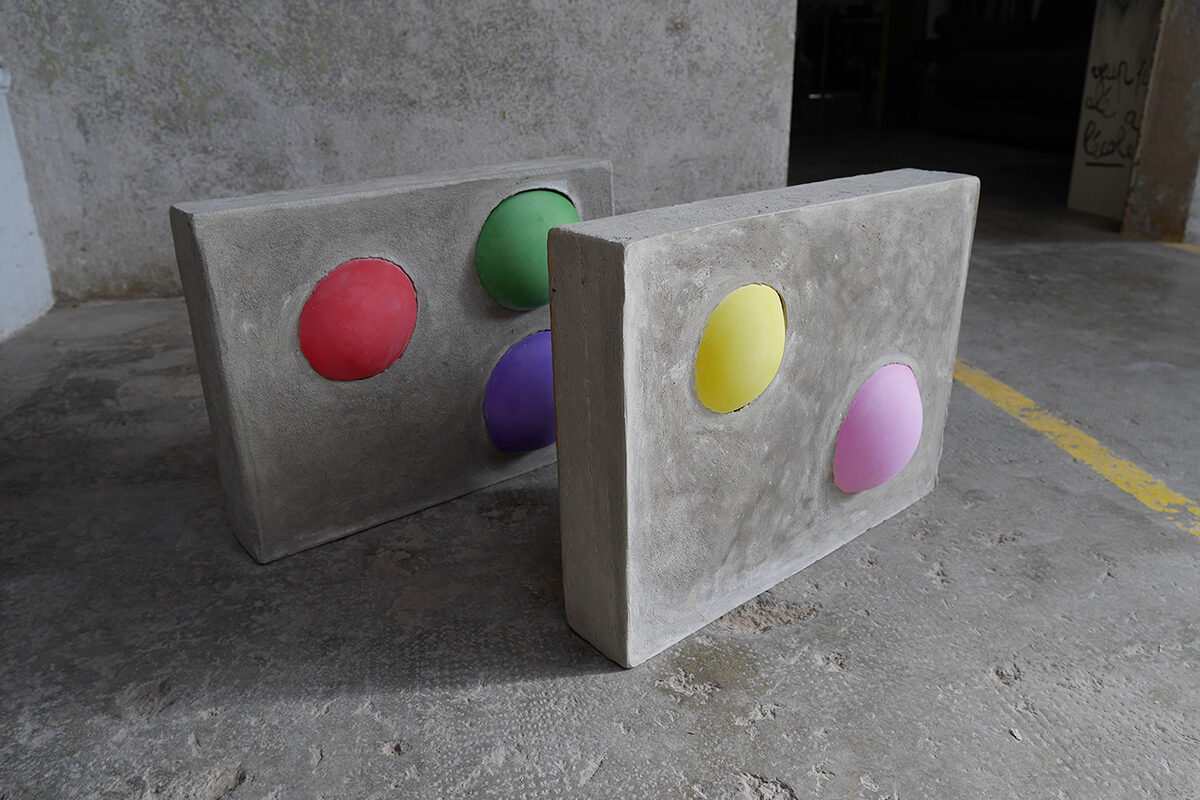
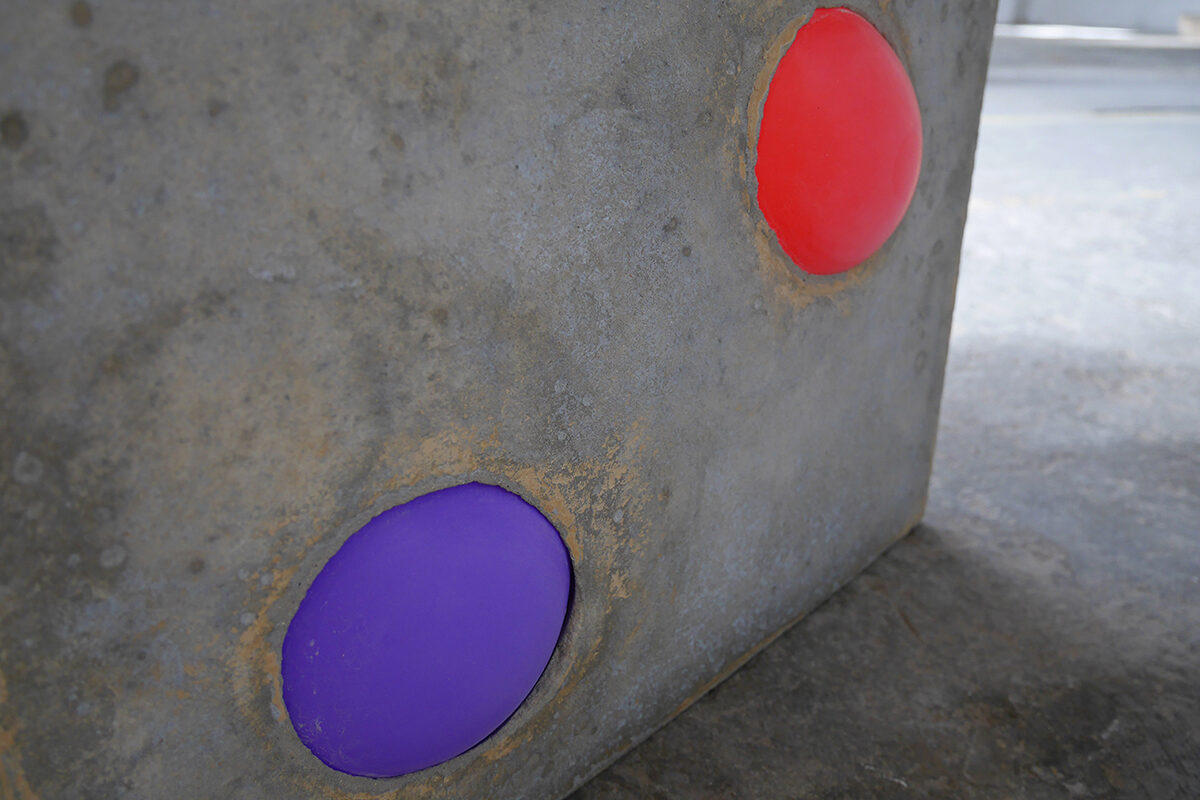
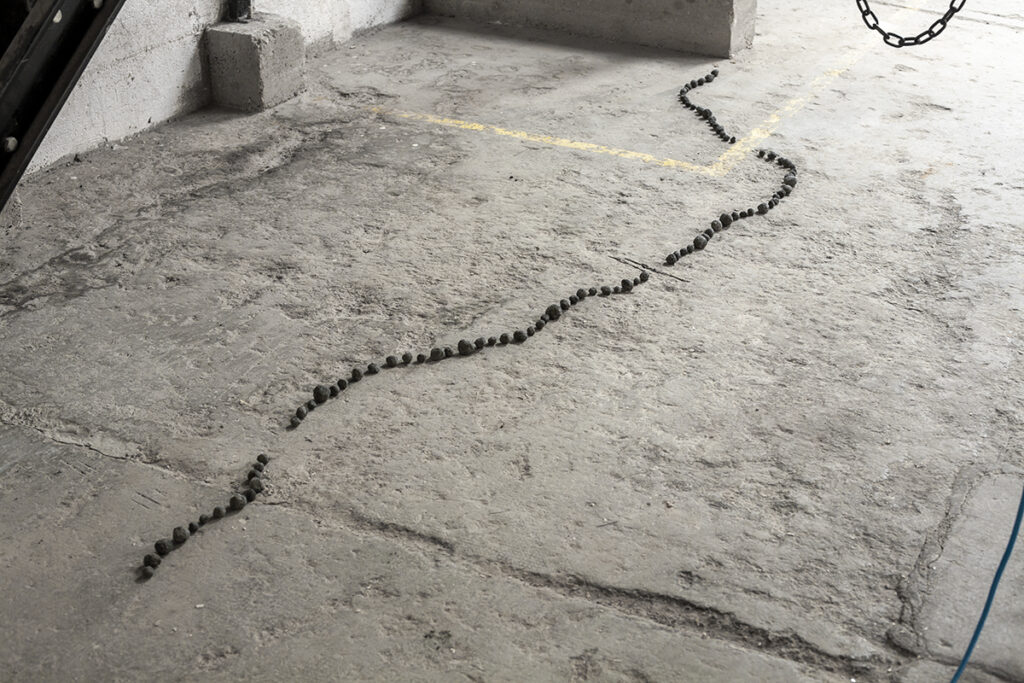
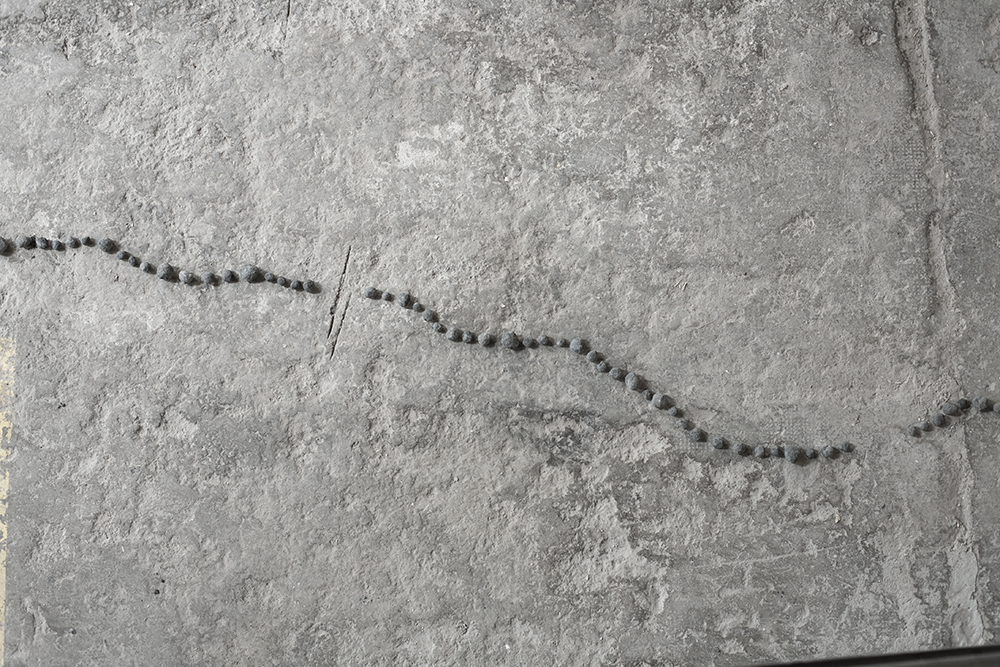
    Quite Concrete was developed during FAMA’s residency at La Déviation, a self-managed cultural center located in a former limestone quarry in Marseille. Responding to the surrounding landscape of unstable calcareous mountains, the project explored concrete as both a symbol of twentieth-century development and a metastable material capable of incorporating fragile, heterogeneous, and unstable elements. Through sculptural interventions and material experiments, the project investigated tensions between solidity and instability, permanence and transformation.

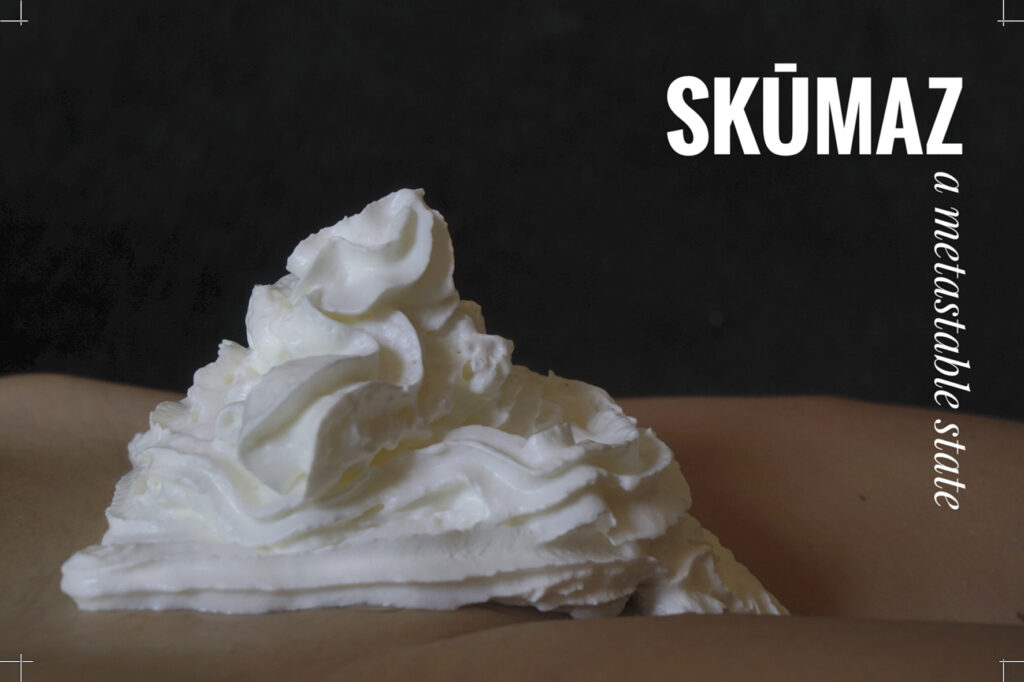
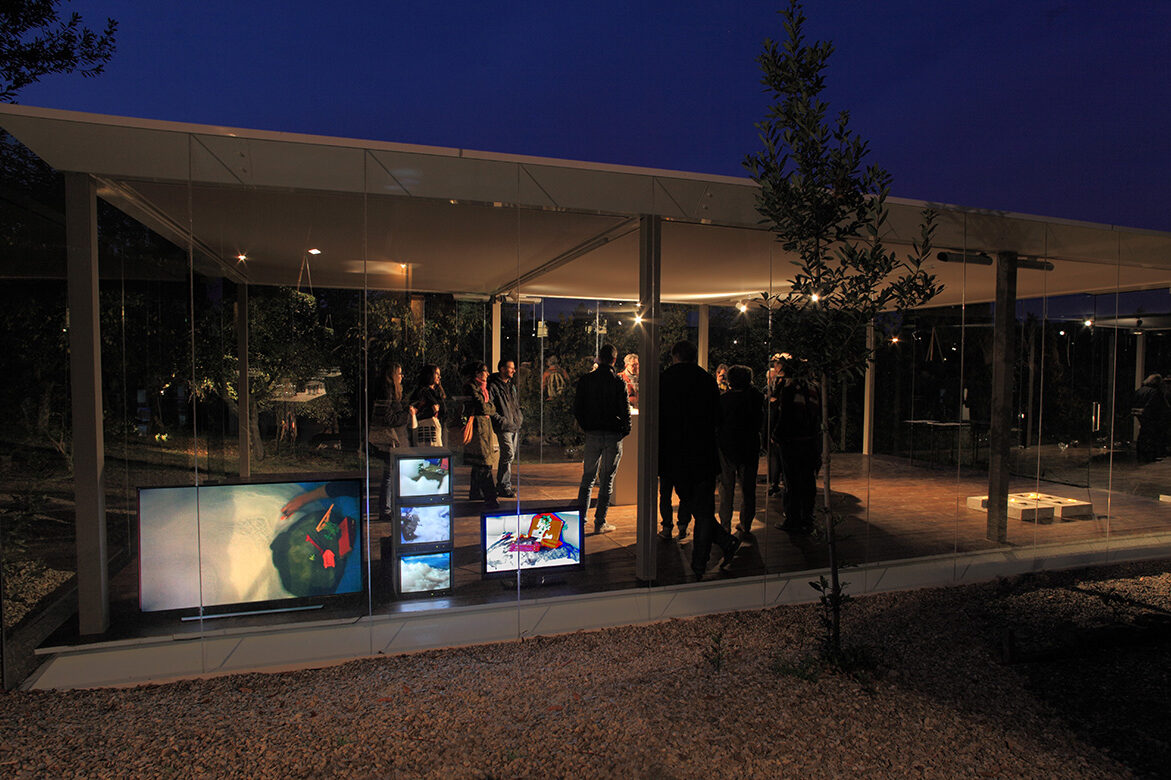
    28.10/2017 – 11.11/2017 @Villa Romana – SKŪMAZ, a metastable state, Exhibition

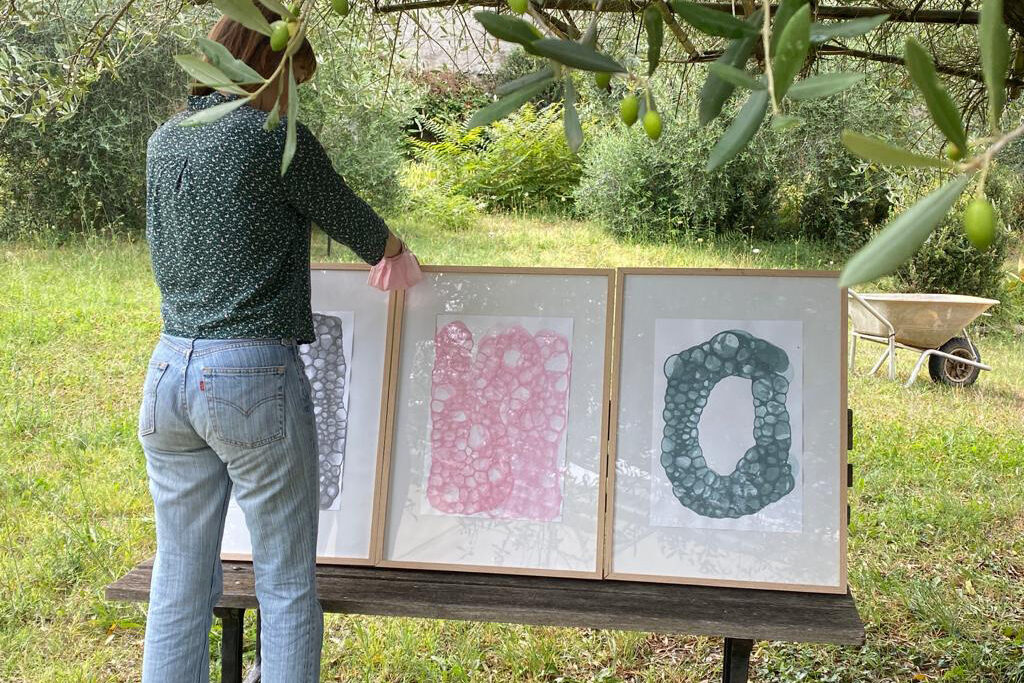
    SKŪMAZ — A Metastable State was the first collective project developed by FAMA (Four Artists for a Metastable Art) and inaugurated the new pavilion of Villa Romana, Florence, in 2017. Starting from the physical and metaphorical properties of foam — a metastable structure suspended in a precarious equilibrium — the exhibition brought together four installations exploring themes such as intimacy, migration, war, transformation, and the unknown through video, sculpture, organic matter, light, and sound. Conceived both as an exhibition and as a shared experimental space, SKŪMAZ approached metastability as a condition of collaboration, instability, and collective coexistence. A critical text accompanying the exhibition was written by Eleonora Farina.


    Personal work into collective projects

  • Chincaglierie

    Chincaglierie

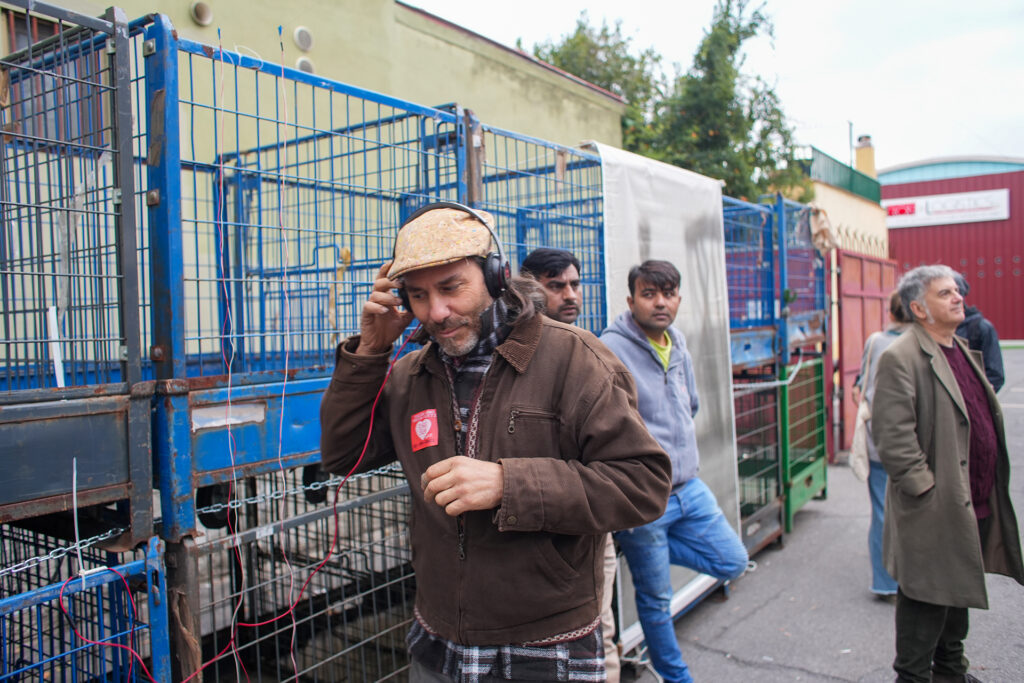
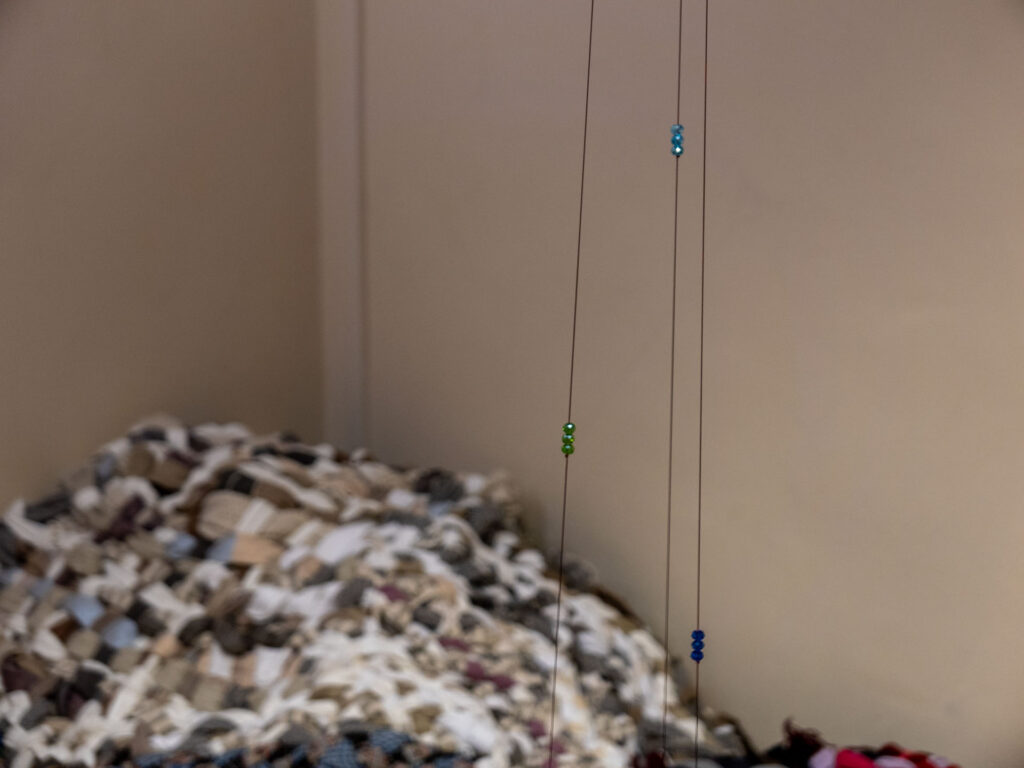
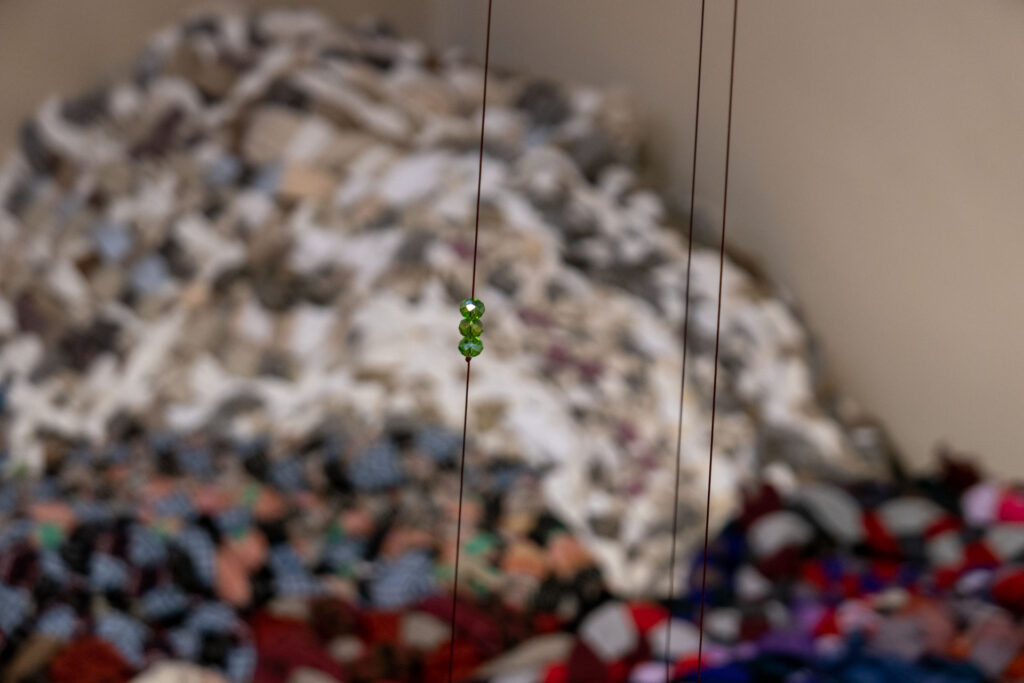
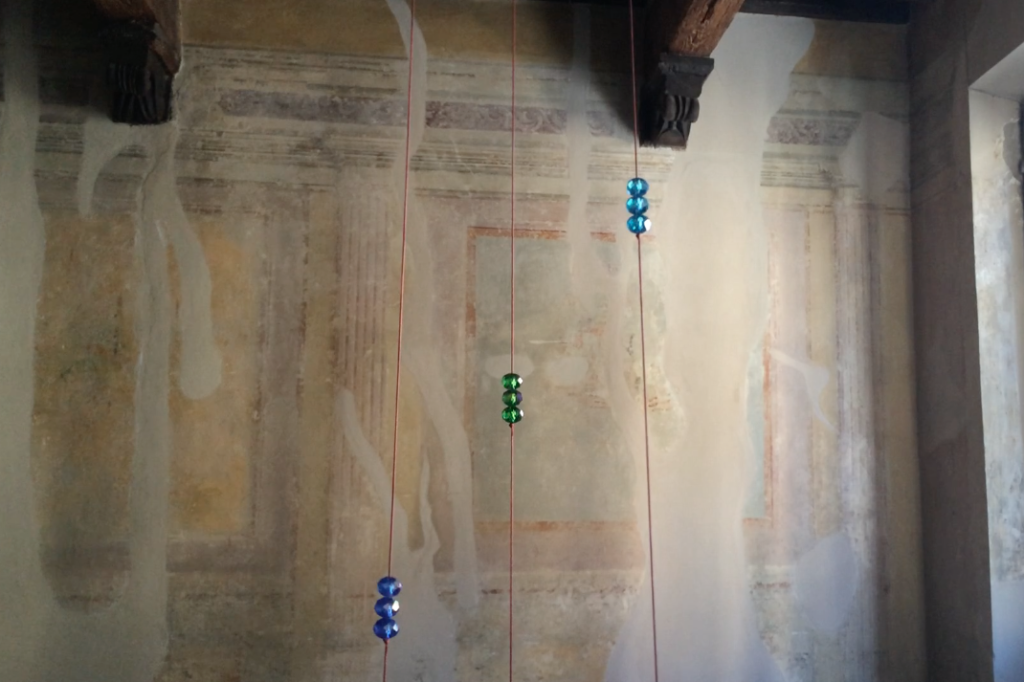
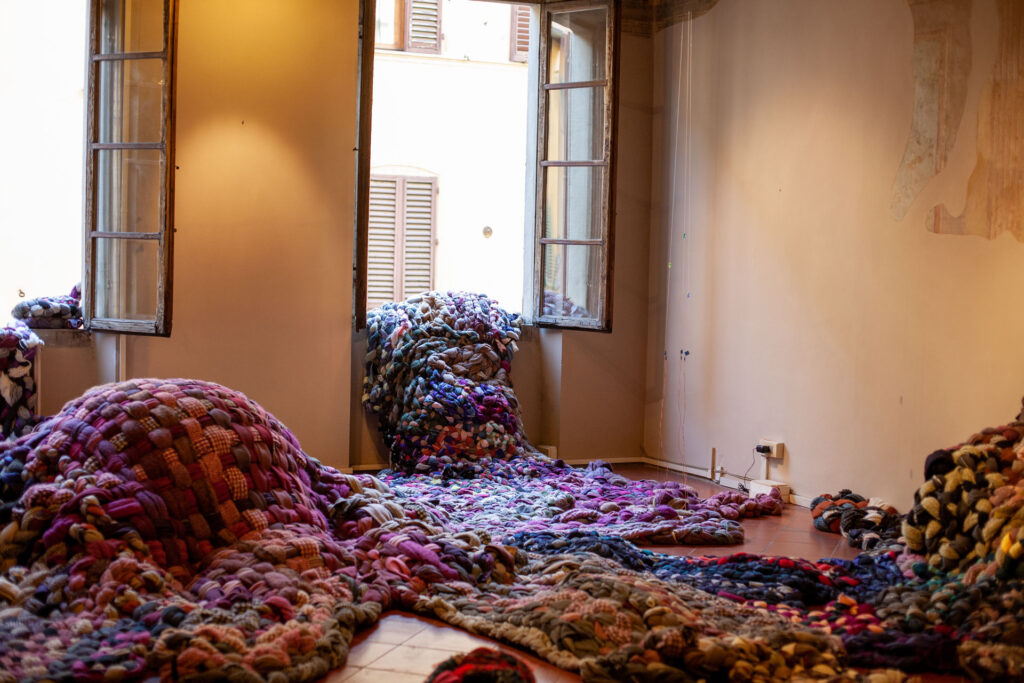
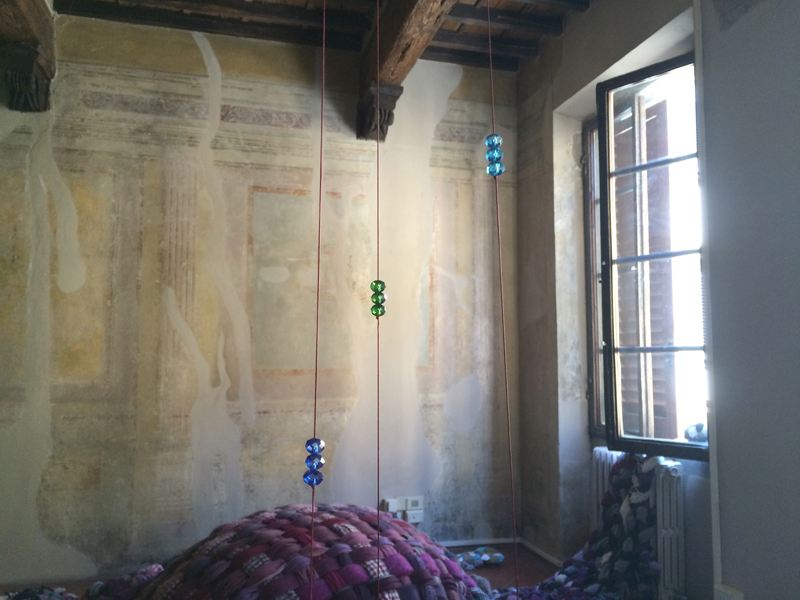
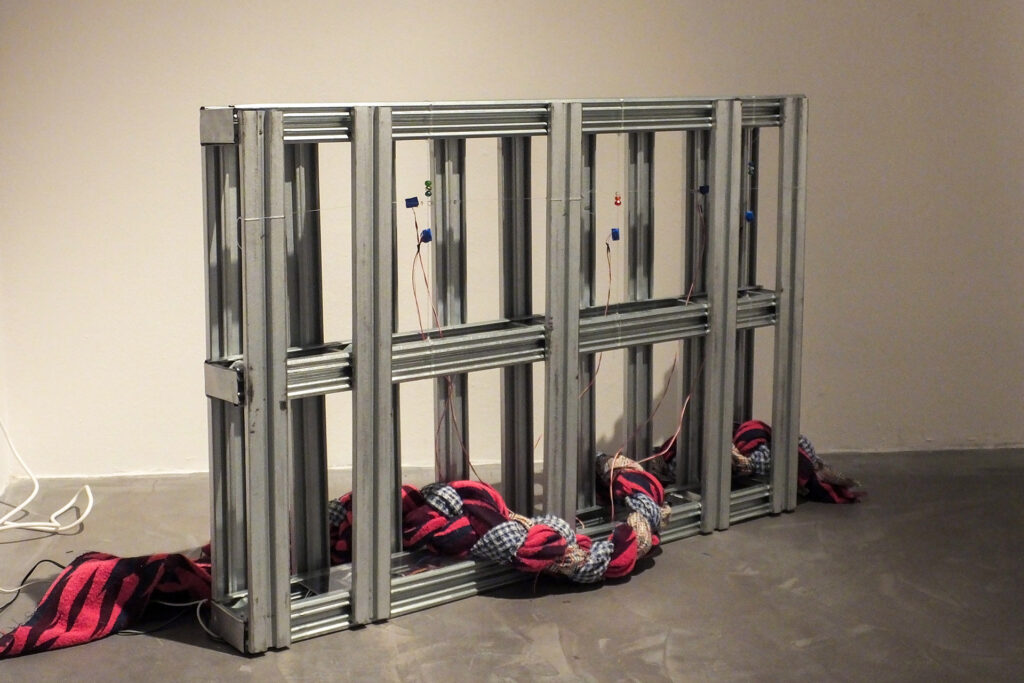
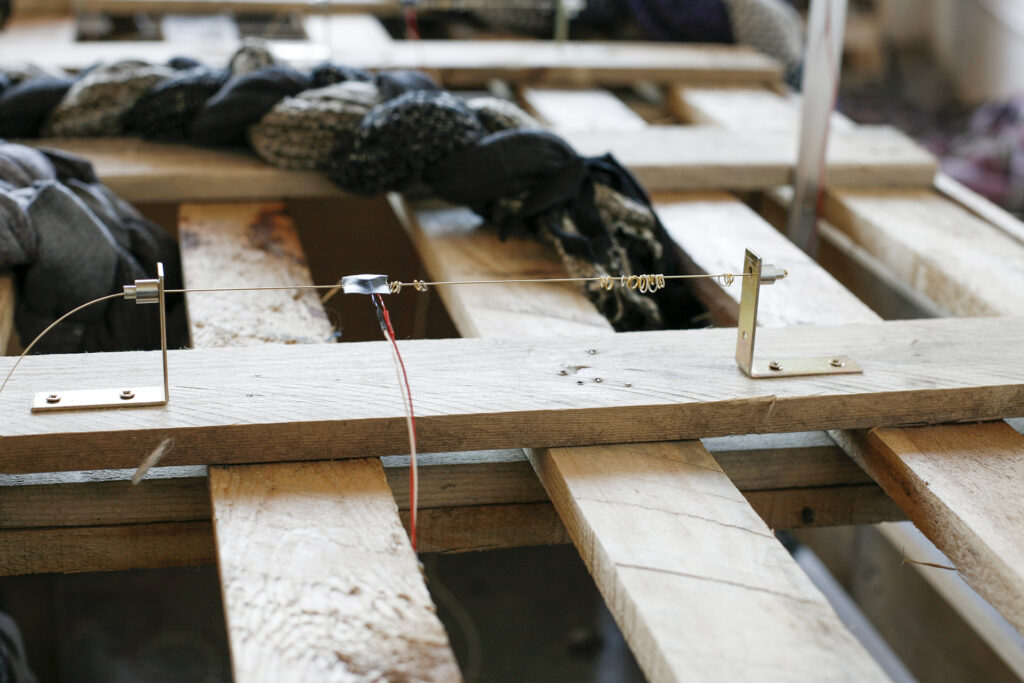
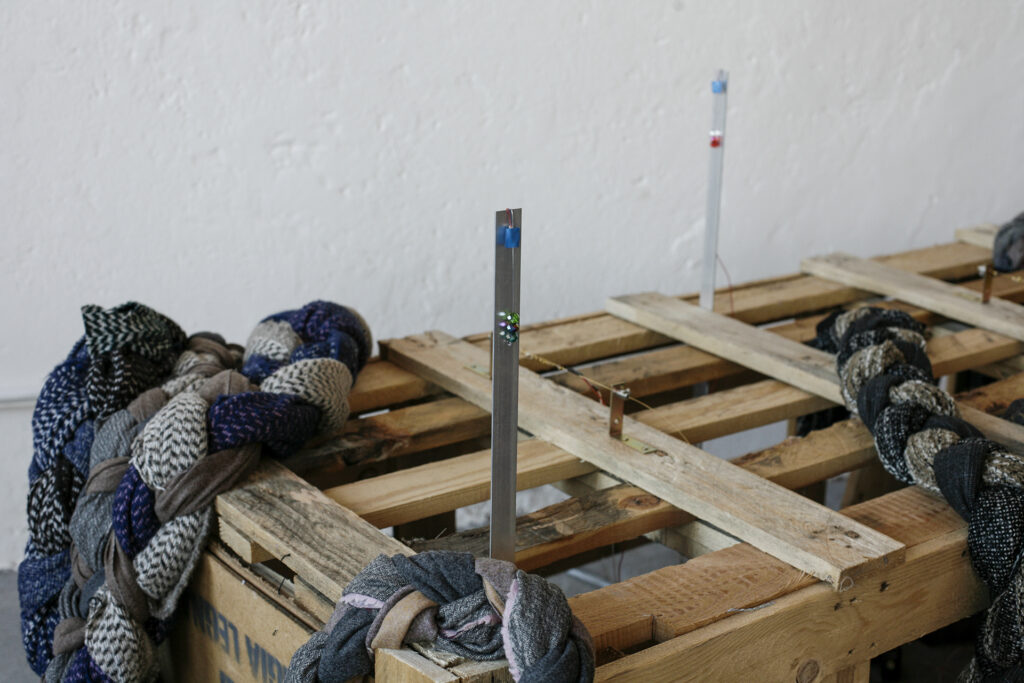
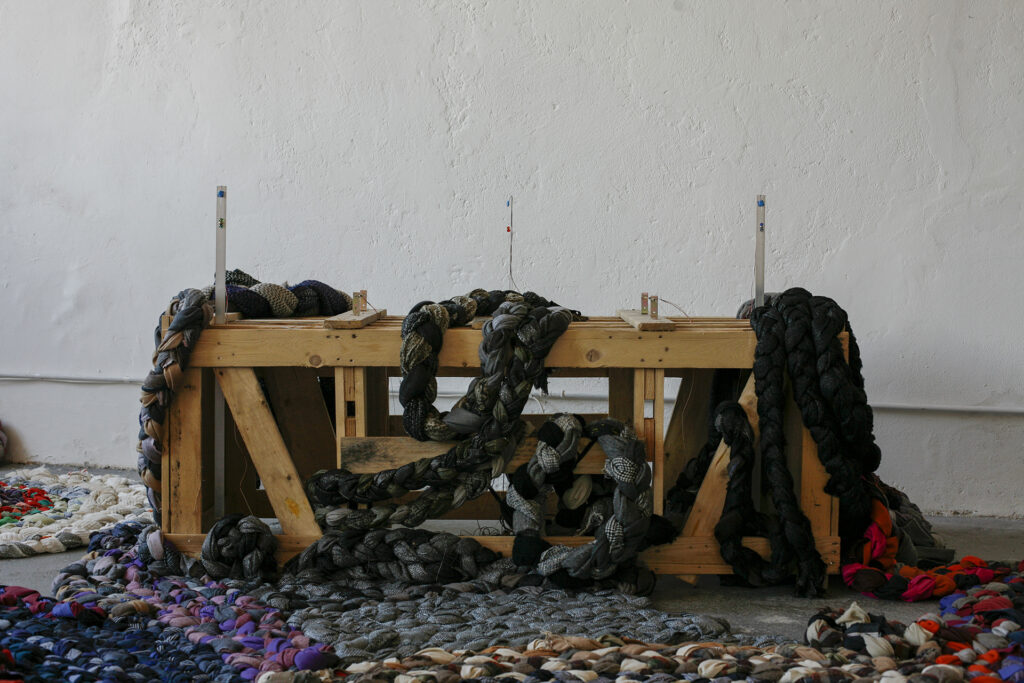
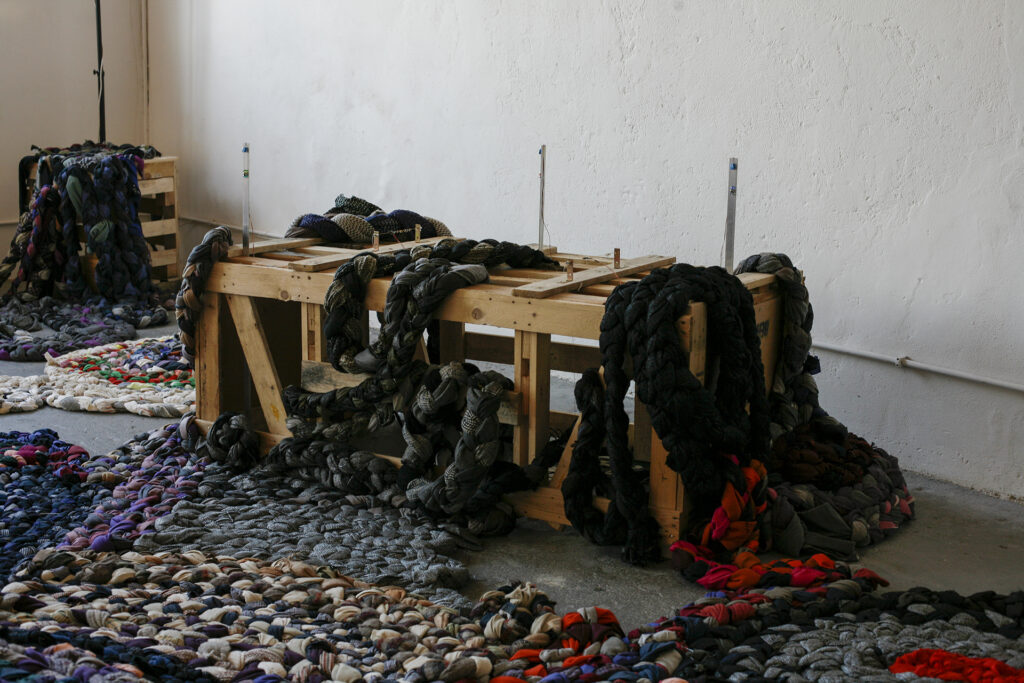
    Chincaglierie (Trinket) originated in 2015 in dialogue with Weave Along, a participatory action by artists Tatiana Villani, Manuela Mancioppi, and Emanuela Baldi developed around the collective weaving of textile scraps and discarded materials gathered from local industries in Prato.

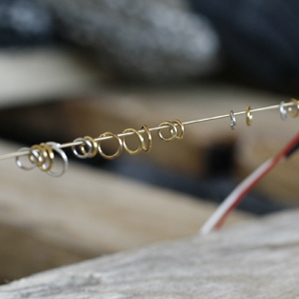
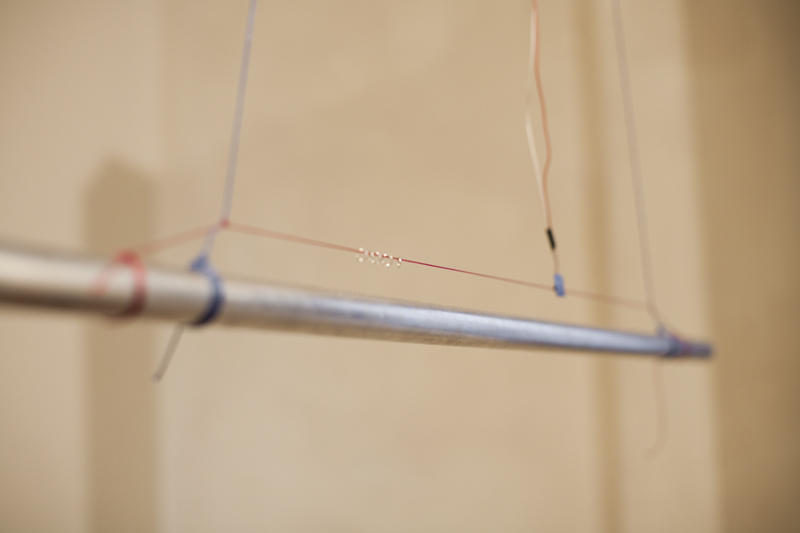
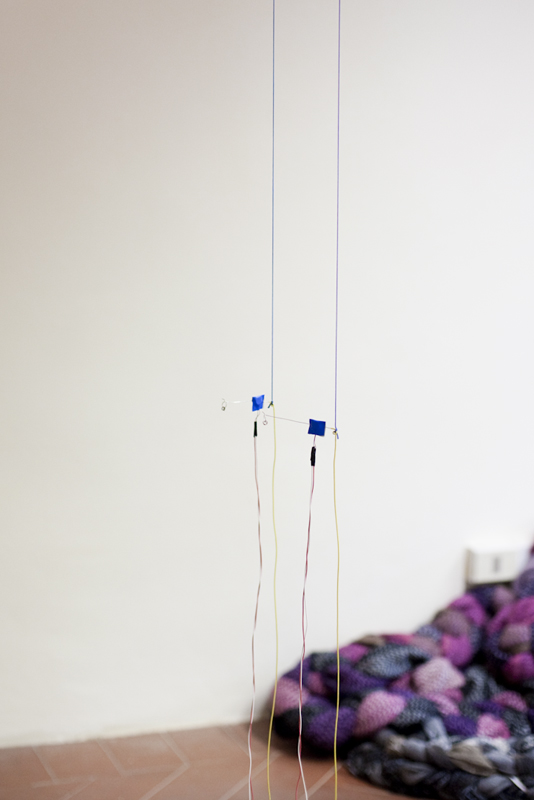
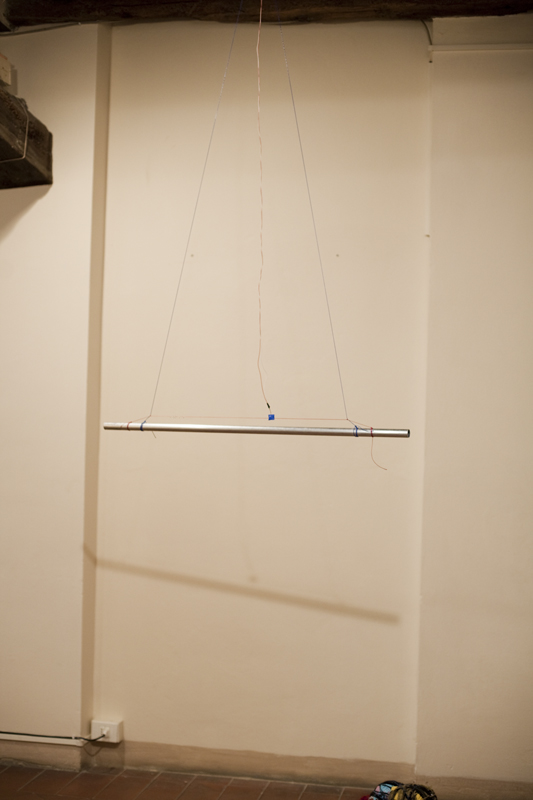
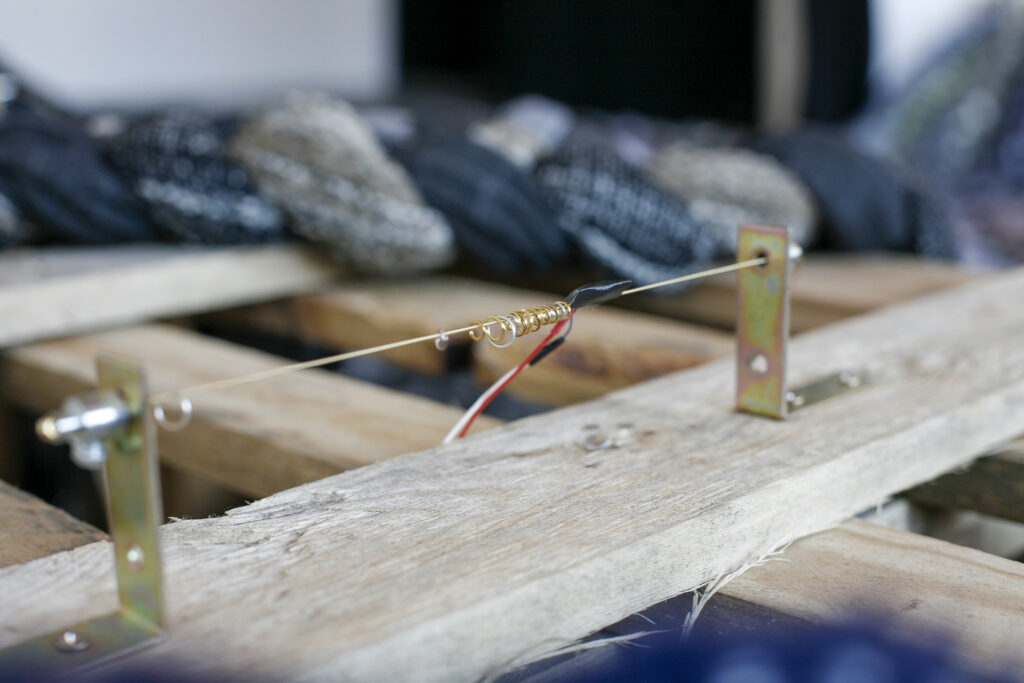
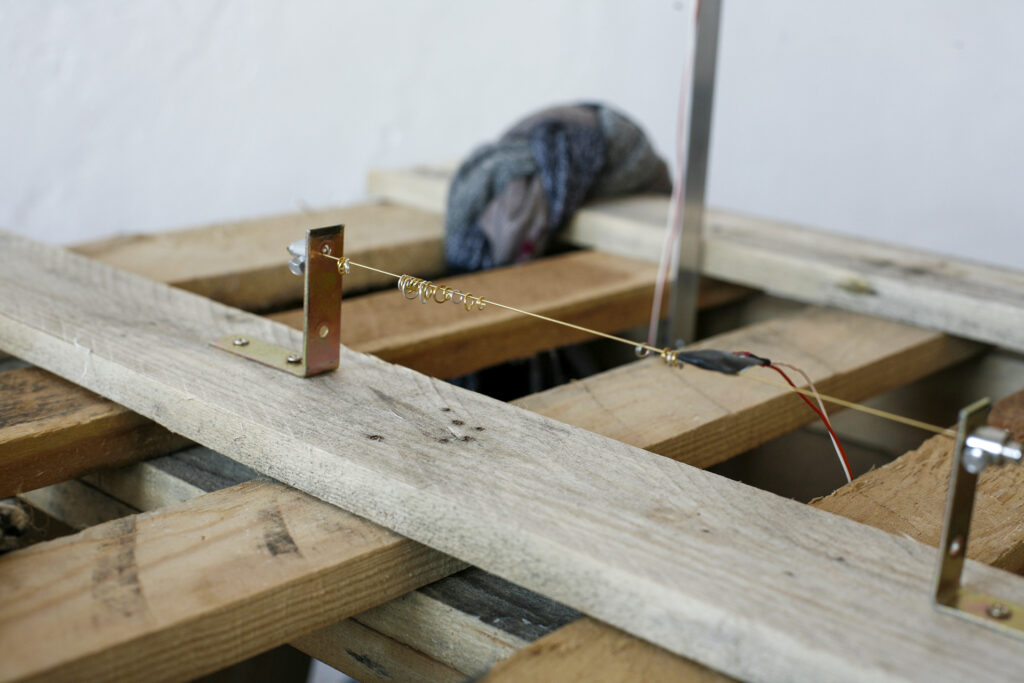
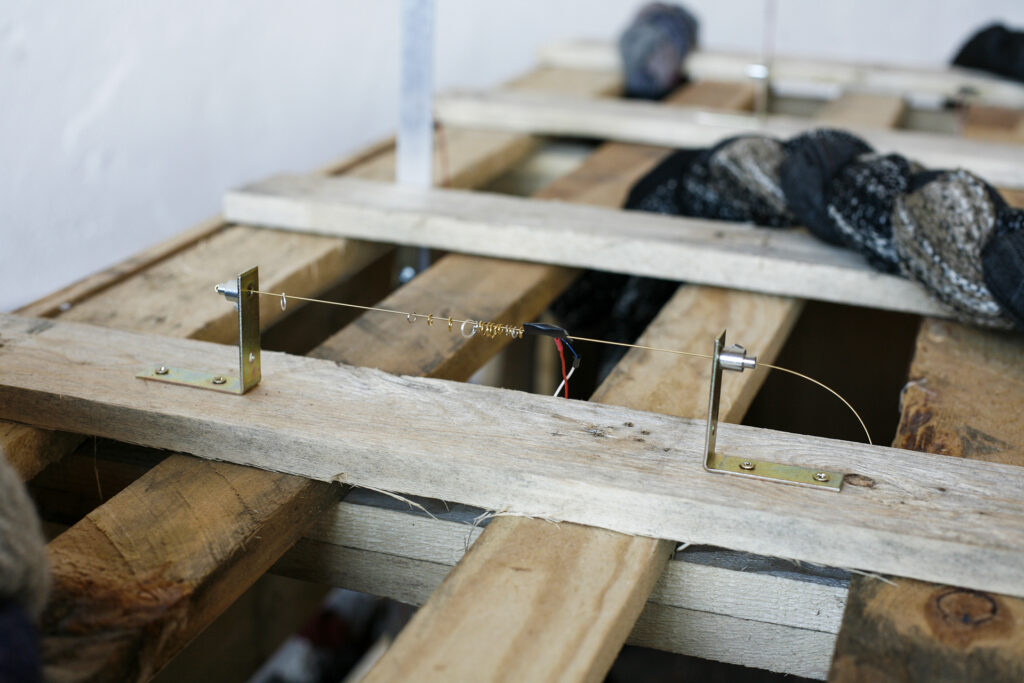
    Initially conceived as a way to preserve and reactivate the sonic traces produced during the participatory process, the installation gradually evolved into an open and adaptable system capable of responding to different spaces, acoustics, and collective situations. Through custom electronic circuits transforming recorded sound into vibration and movement, Chincaglierie continuously reconfigures itself according to the environments and energies it encounters.

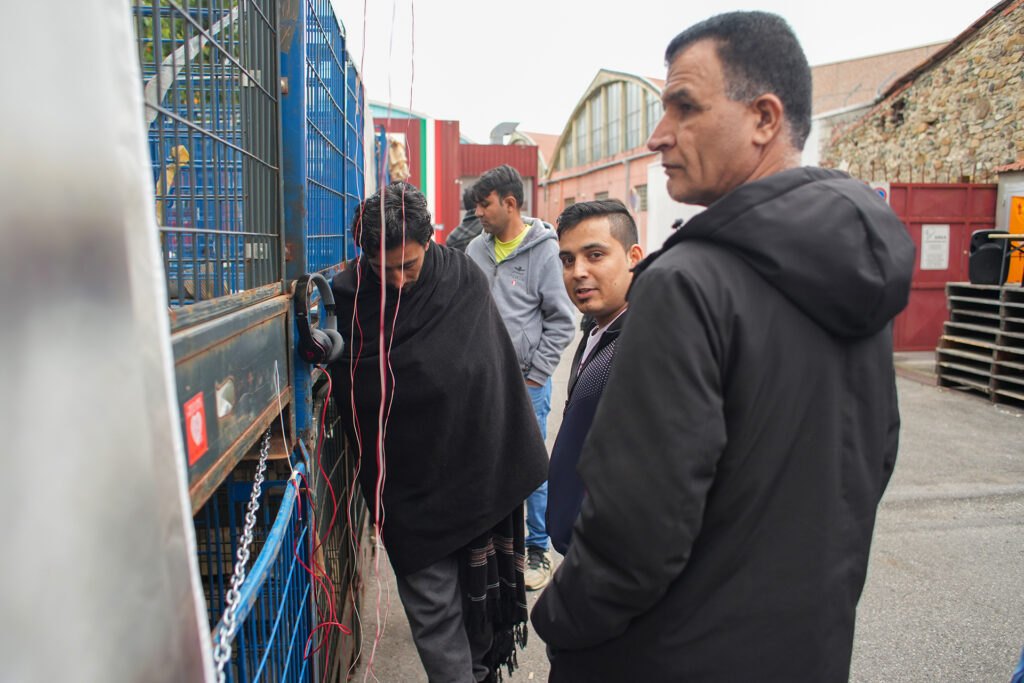
    Over the years, the work has appeared in multiple forms and contexts: from former industrial buildings connected to Prato’s textile history to the seventeenth-century spaces of Casa Giovanni Mannozzi and Casa Masaccio Contemporary Art Centre; from workers’ picket lines and political gatherings to Villa Galileo, where the installation responded to astrophysical signals and cosmic soundscapes.

    Rather than existing as a fixed installation, Chincaglierie functions as an evolving resonant device, repeatedly reassembled through new materials, spatial conditions, collective voices, and sound environments, while progressively becoming part of a broader research around vibration and material resonance.

    A version of the work is held in the permanent collection of Casa Masaccio Centro per l’Arte Contemporanea.

    • Chincaglierie (Trinket)

      Chincaglierie (Trinket)

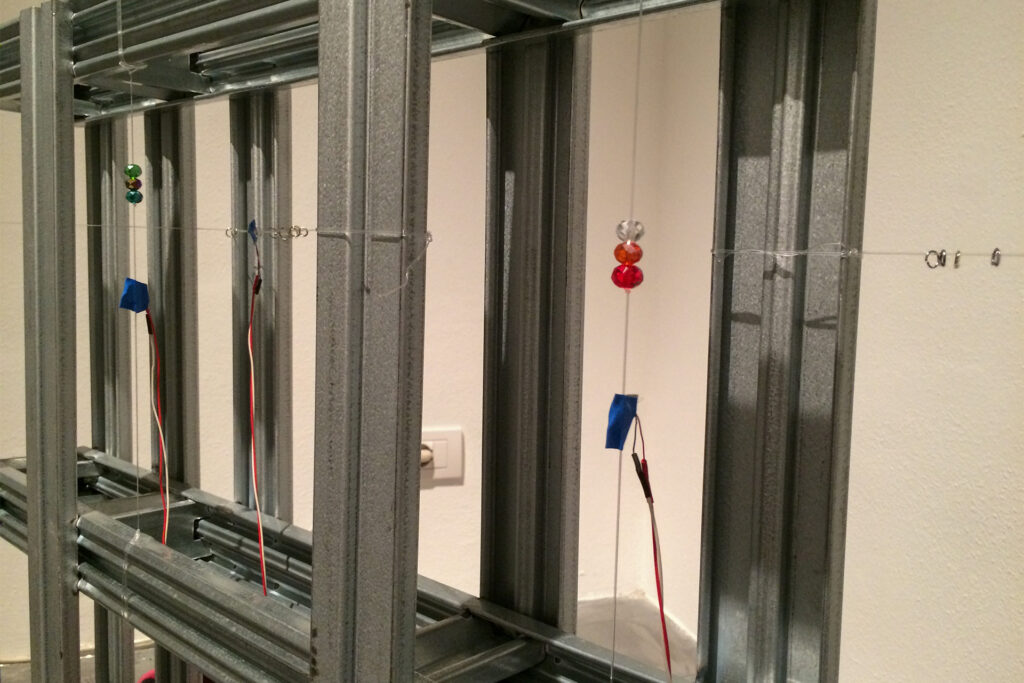
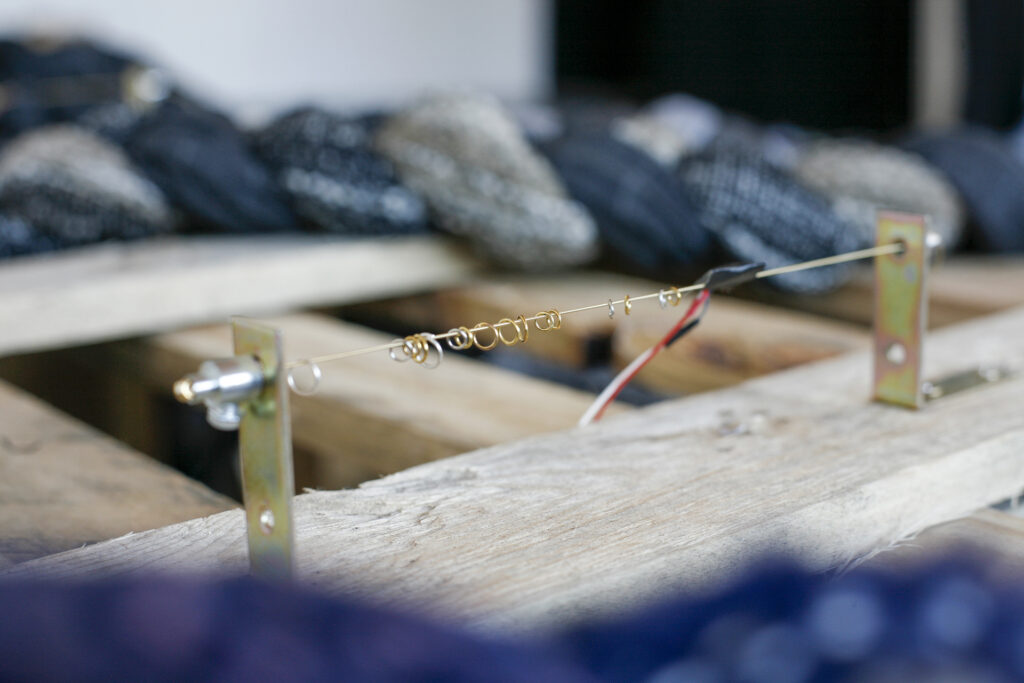
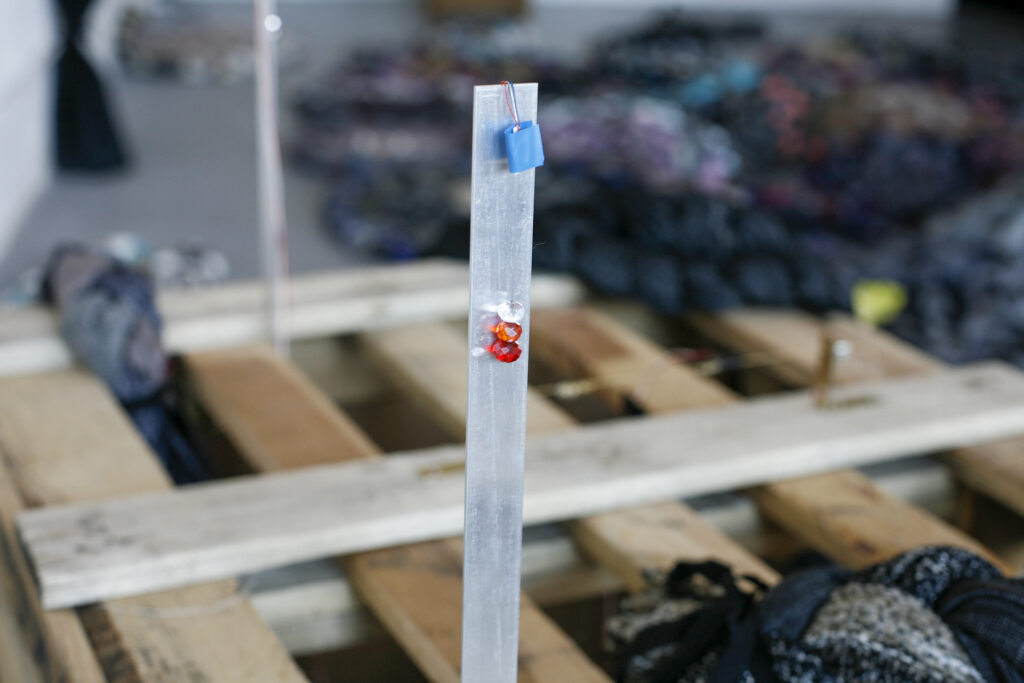
      sound installation, golden and silver rings, guitar strings, brackets, aluminum boards, iron, nylon and cotton threads, beads, fishing loads, aluminum tube, 2015- ongoing

    Activations

    30.09/2023 @VillaGalileo Open Studios – Grasping the Cosmos / ETM ph Giulia Lenzi

    18.11/2022 @Presidio Iron&Logistics – per ToccaUnoToccaTutti

    23.02/2019 – 05.05/2019 @Casa Masaccio Centro per l’Arte Contemporanea, San Giovanni Valdarno per Sguardi a cura di Serena Trinchero

    09.07/2016 – 28.08/2016 @Casa Giovanni Mannozzi Casa Masaccio Centro per l’Arte Contemporanea, San Giovanni Valdarno

    nave_04

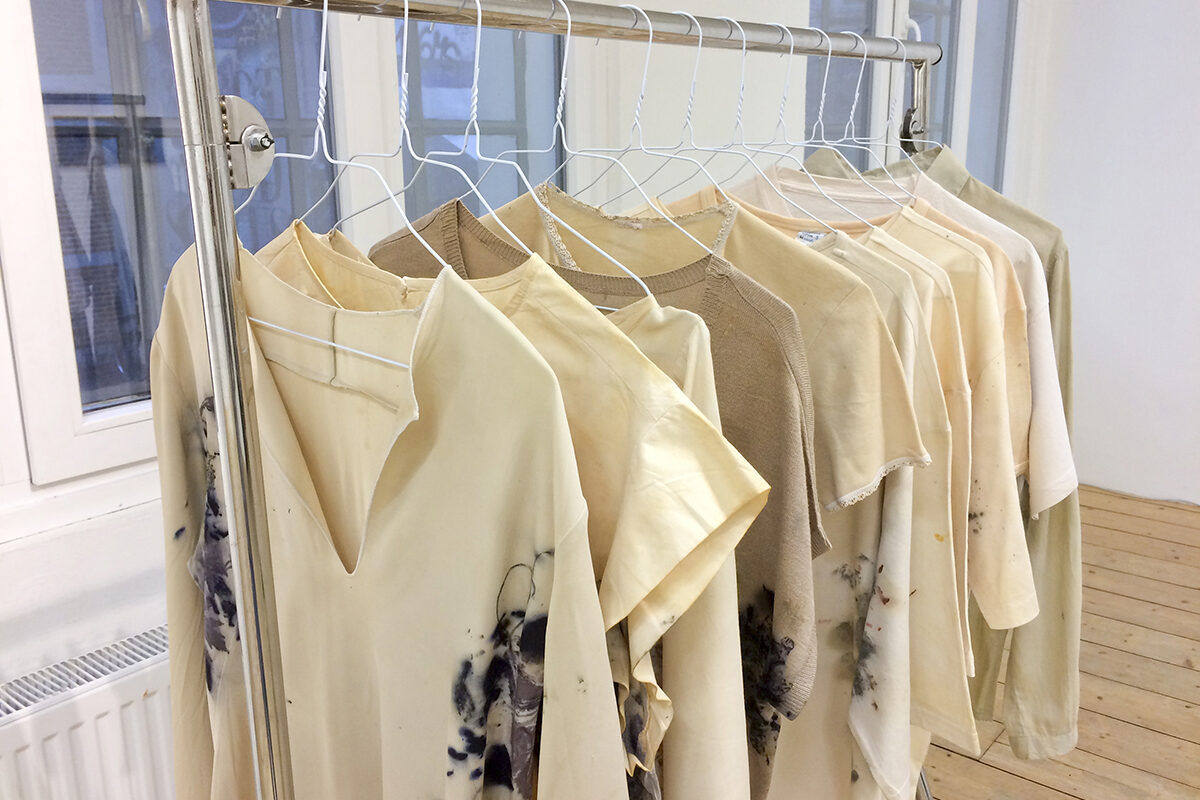
    18.06/2016 @GAMC Viareggio for BAU Tredici – Dress Codex

    26.06/2015 @Artforms per Fuori dal Trecciato

  • For the benefit of all humanity

    For the benefit of all humanity

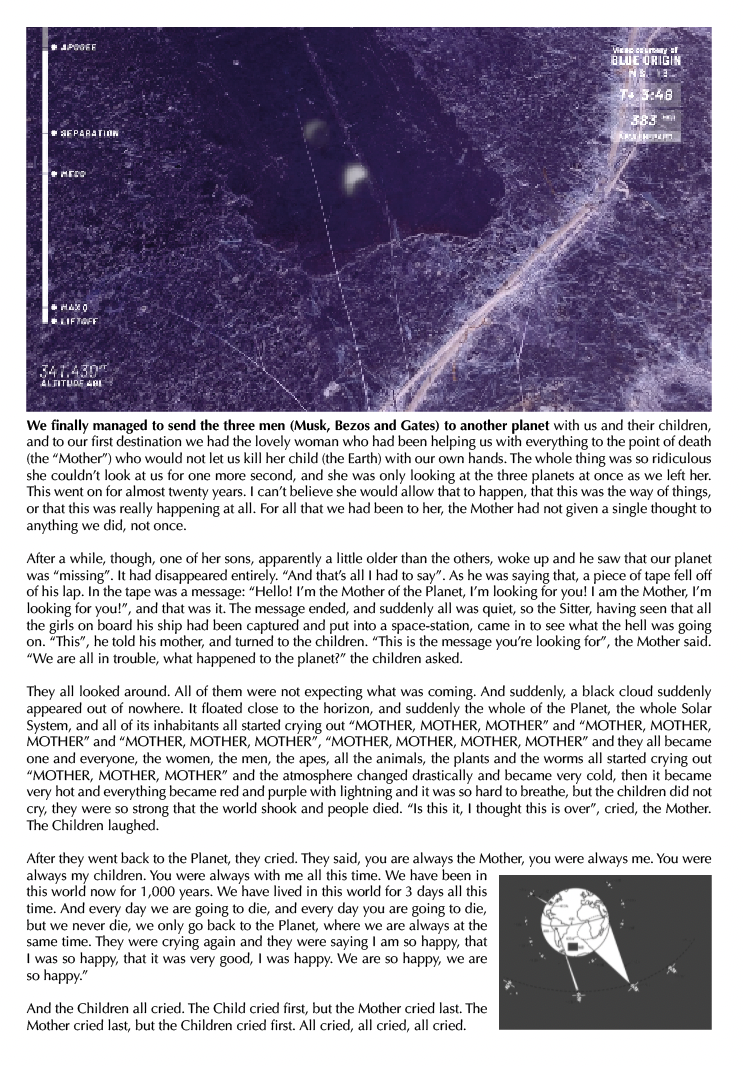
    Using an unsupervised OpenAI GPT-2 model (*), I generated a series of stories starting from the sentence: “We finally sent Elon, Jeff and Bill to another planet”. The deliberately ironic prompt refers to the space ventures of Musk, Bezos, and Gates, often presented — in different ways — as strategies to secure the future of humanity.

    What emerged were dreamlike, unstable narratives full of unexpected associations, apocalyptic scenarios, and recurring motifs, often shot through with psychoanalytic undertones, particularly around the figure of the mother and an uneasy relationship with the feminine.

    The generated texts unfold within a latent space shaped by narrative drift and repetition, where fantasies of space colonization coexist with techno-utopian promises.

    Flash Fictions on Alternative Networks

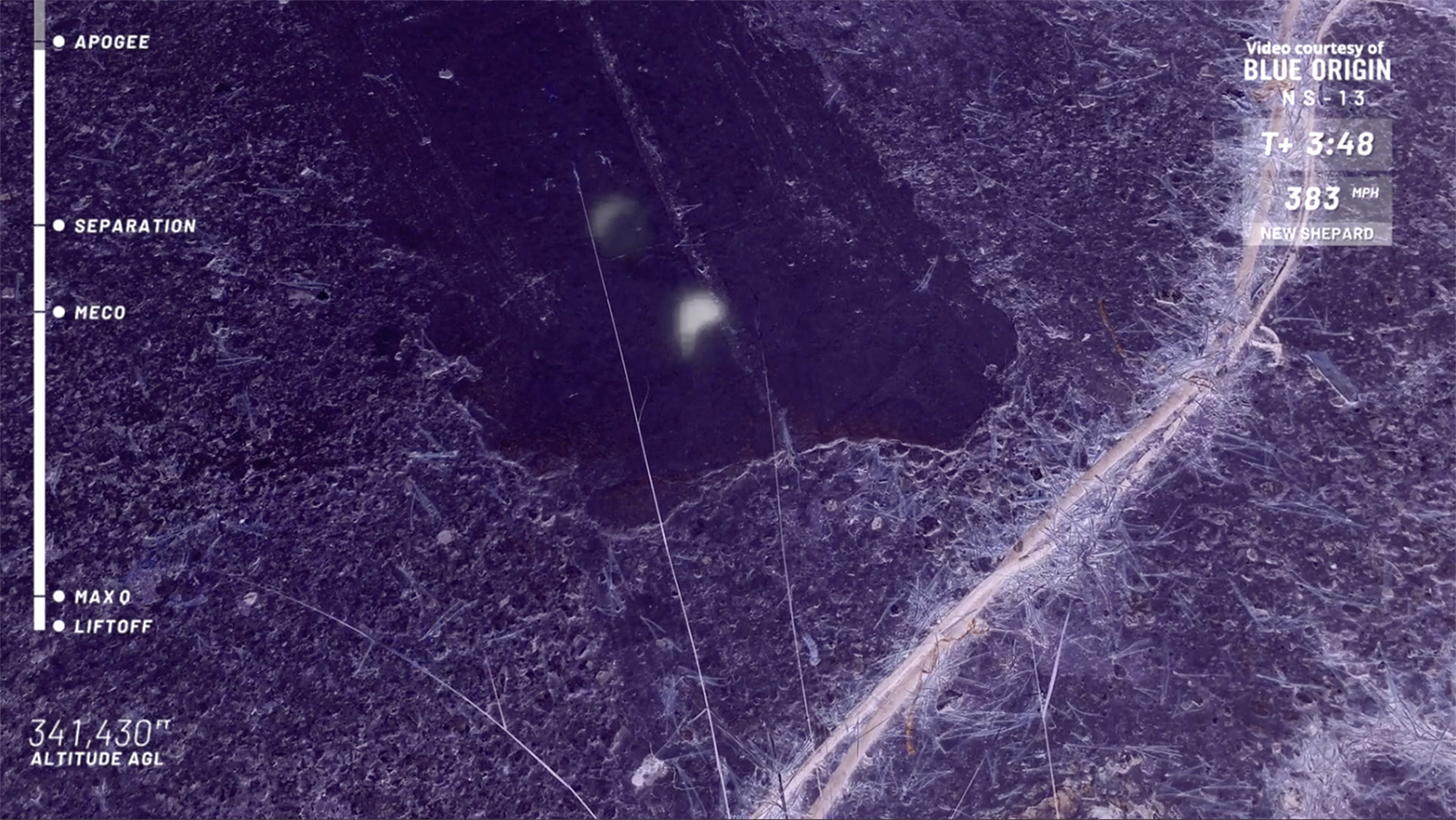
    One of these stories was combined with footage from a Blue Origin rocket launch for Flash Fictions on Alternative Networks, a web-based project curated by The Photographer’s Gallery, London. The resulting montage creates a disorienting juxtaposition between terrestrial landscapes and extraterrestrial imaginaries.

    For the benefit of all humanity, video and self-generated text, 2021

    For the Benefit of All Humanity is a video work based on another generated story, combining images of space exploration with fragments of language drawn from OpenAI’s stated mission to develop artificial intelligence “for the benefit of all humanity”.

    The work stages the narratives emerging from the model alongside the ambitions of tech billionaires to “save humanity”, whether through space colonization or the development of a “beneficial” artificial intelligence.

    In this overlap, the rhetoric of salvation takes on an ambiguous tone, oscillating between technological optimism and underlying fantasies of escape and control. The narratives often drift into excess and inconsistency, producing moments of unintended irony.

    The video culminates in a repetitive sequence, a form of hallucination in which language loops, fixates, and begins to unravel, caught in an endless iteration that is at once absurd and unsettling.

    (*) implemented as TextSynth by Fabrice Bellard

  • Image processing: exposing latent space(s)

    Image processing: exposing latent space(s)

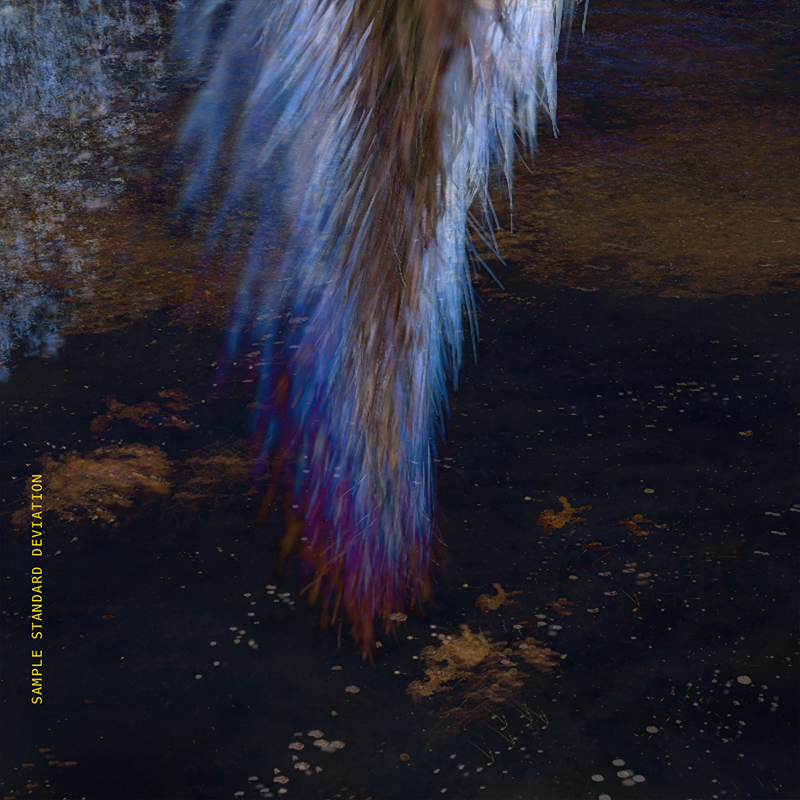
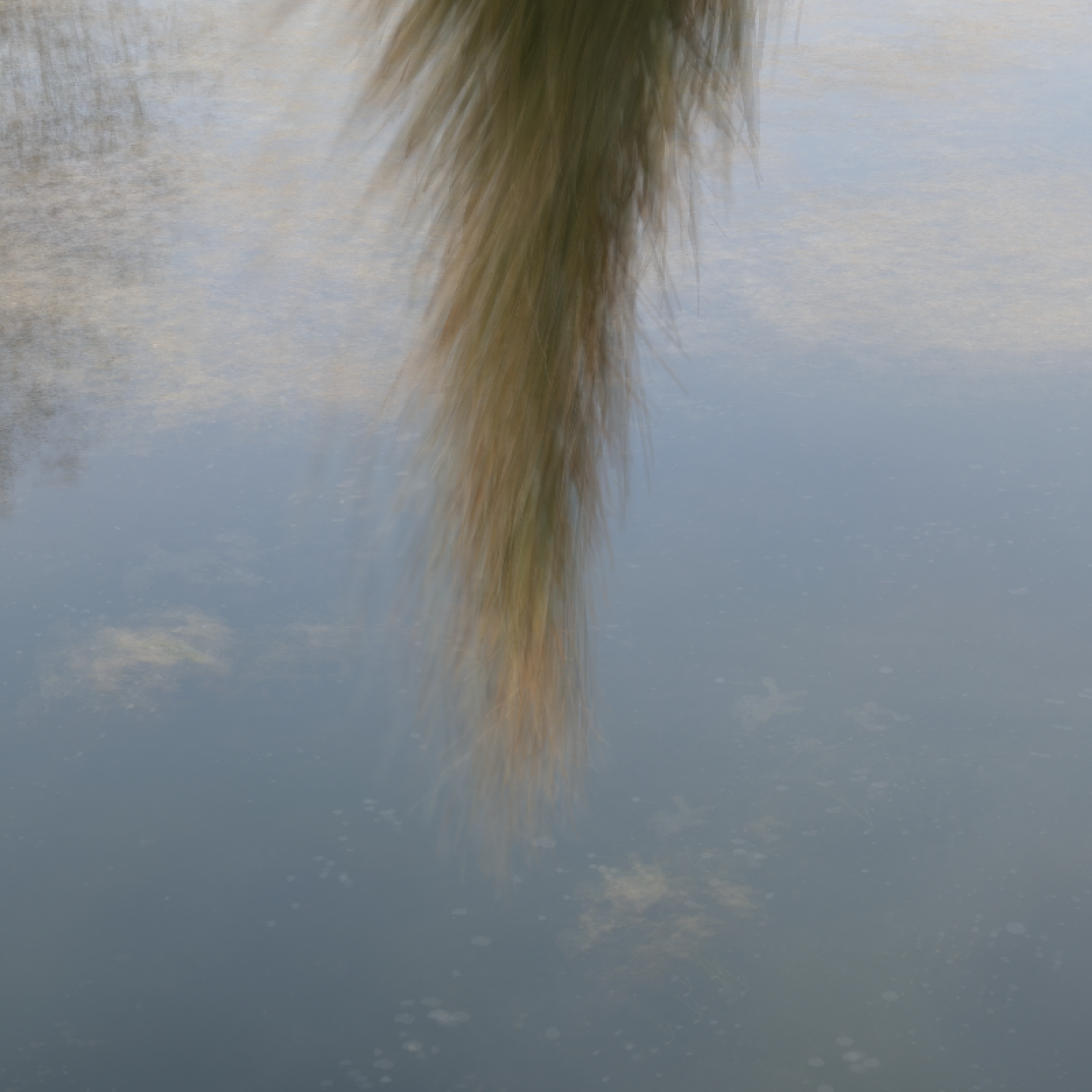
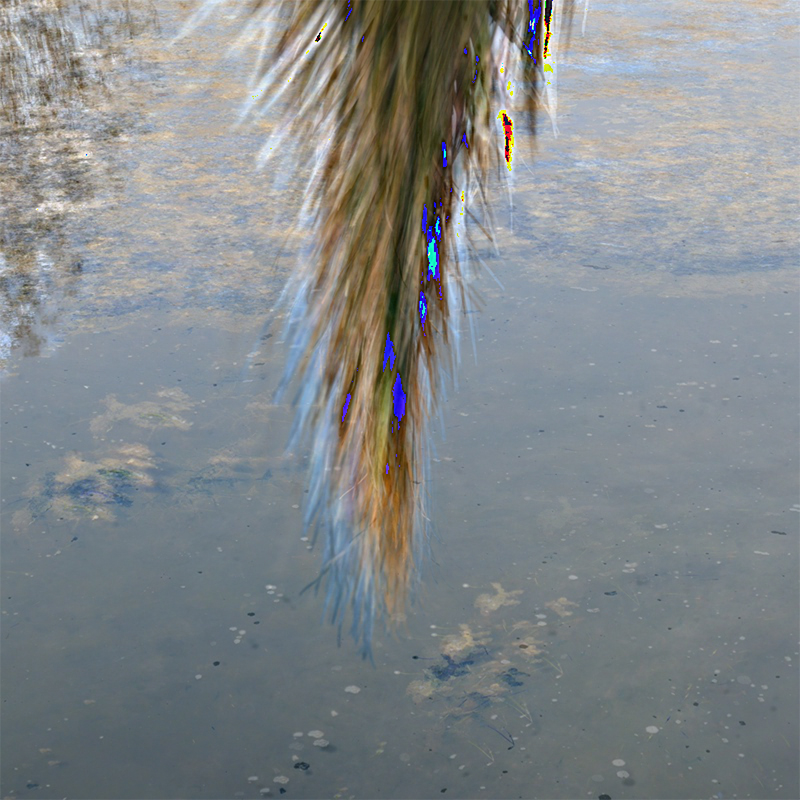
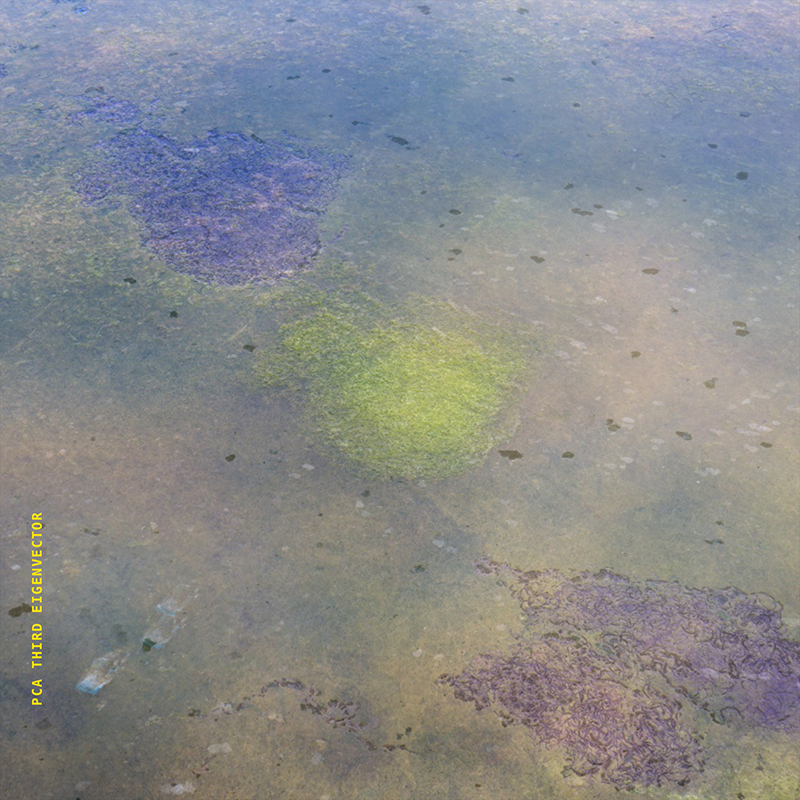
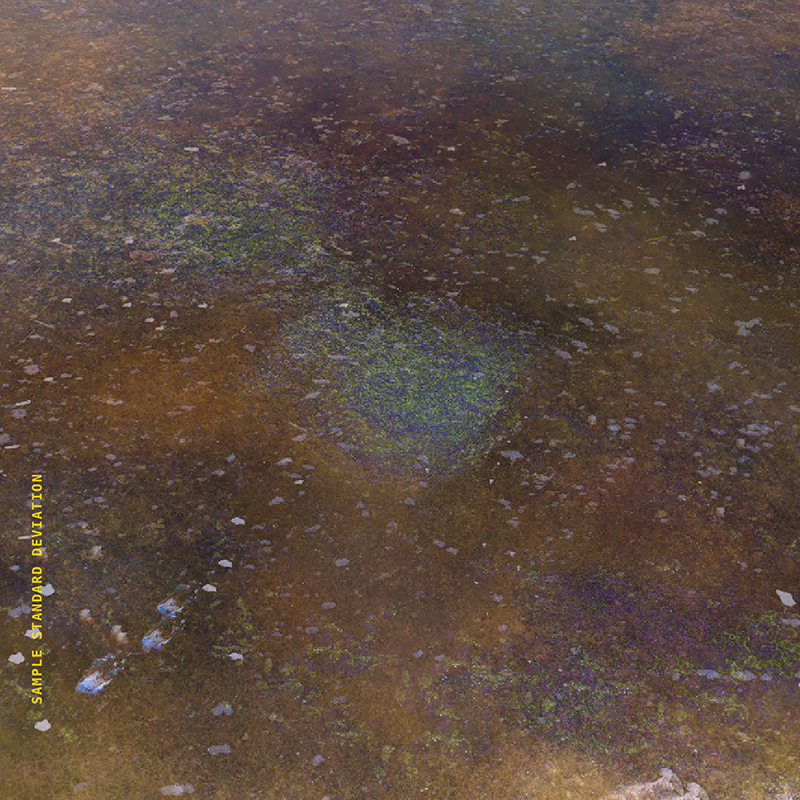
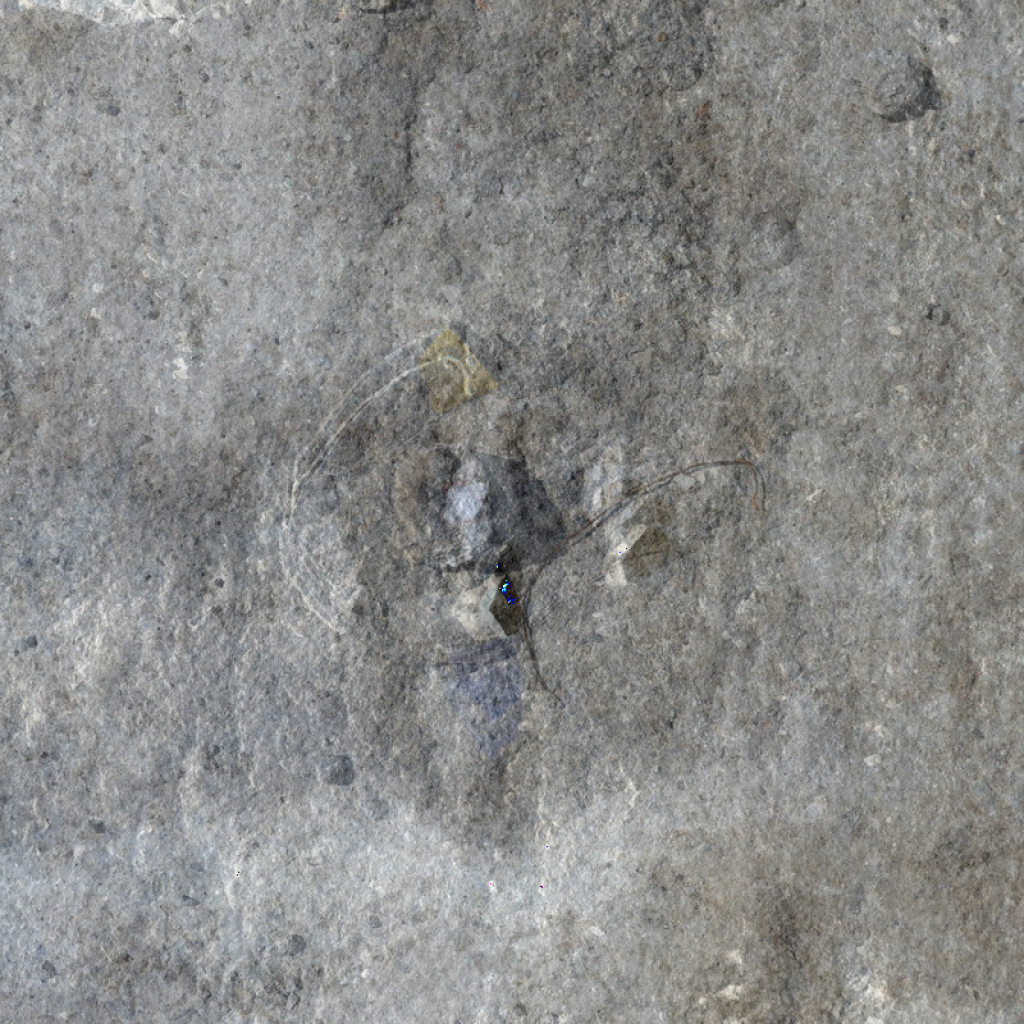
    Image Processing: Exposing Latent Space investigates the transformation of images into statistical structures. By applying techniques such as averaging, variance extraction, and Principal Component Analysis to a personal photographic archive, the work operates a shift from photographic traces to data elements within a system of statistical distributions and relations.

    The project departs from groups of images and subjects — palms, algae, pebbles, lagoon environments — each generating a distinct series of derived images corresponding to specific statistical operations: the mean (what is common to all images), the variance (where images differ), and the eigenvectors of the covariance matrix, which define the principal directions along which these differences occur. At the same time, eigenvectors can be understood as structures of invariance: they capture what remains stable across variation, revealing the underlying symmetries that organize relations between images.

    Together, these operations decompose each corpus into its fundamental components, reducing, separating, and recombining visual information into abstract forms that encode patterns across multiple images.

    The eigenvectors define what linear algebra calls an eigenspace — eigen, from the German for “own,” “proper,” or “intrinsic.” An eigenspace is a latent space generated by the internal relations of a dataset: inherently self-referential, it does not describe the world but reorganizes the dataset according to its own internal logic.

    This operation resonates with contemporary artificial intelligence. In machine learning systems, images are translated into vectors and organized within high-dimensional latent spaces, where meaning emerges from statistical relations, differences, and correlations rather than from any single image. These spaces are structured through processes of reduction, selection, and normalization that extract stable patterns while discarding others.

    Image Processing mirrors this logic through a transparent, linear process, making visible mechanisms that in AI systems often remain opaque. By keeping the construction of the latent space legible, the work exposes processes of reduction, compression, and loss that computational vision typically conceals, revealing the epistemological mechanism of AI.

    What emerges is not a single image, but the materialization of a latent structure — a photographic rendering of relations.

    As both analysis and a form of resistance, the work exposes how images are transformed into structured data, and how visual culture is increasingly shaped by latent spaces and processes of extraction, reduction, and recombination.

  • listening to EIAR loudspeakers, Addis Ababa, 1940 or I2AA

    listening to EIAR loudspeakers, Addis Ababa, 1940 or I2AA

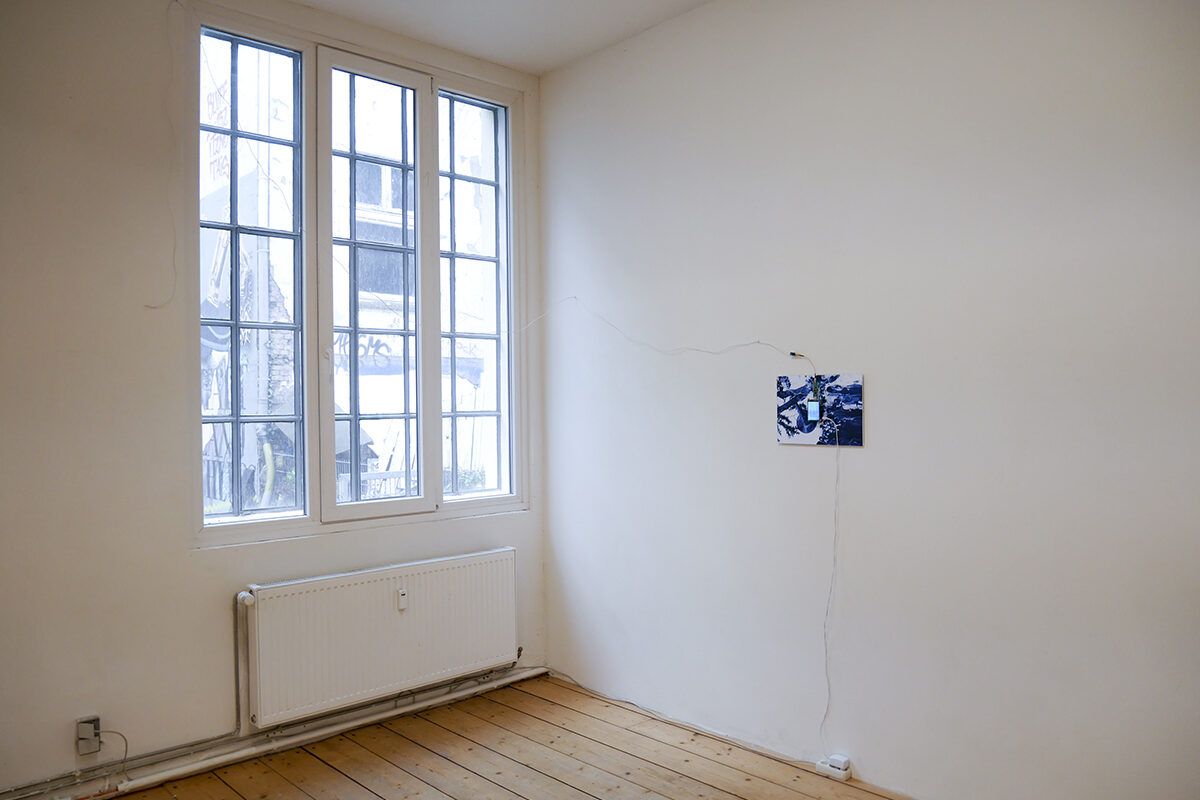
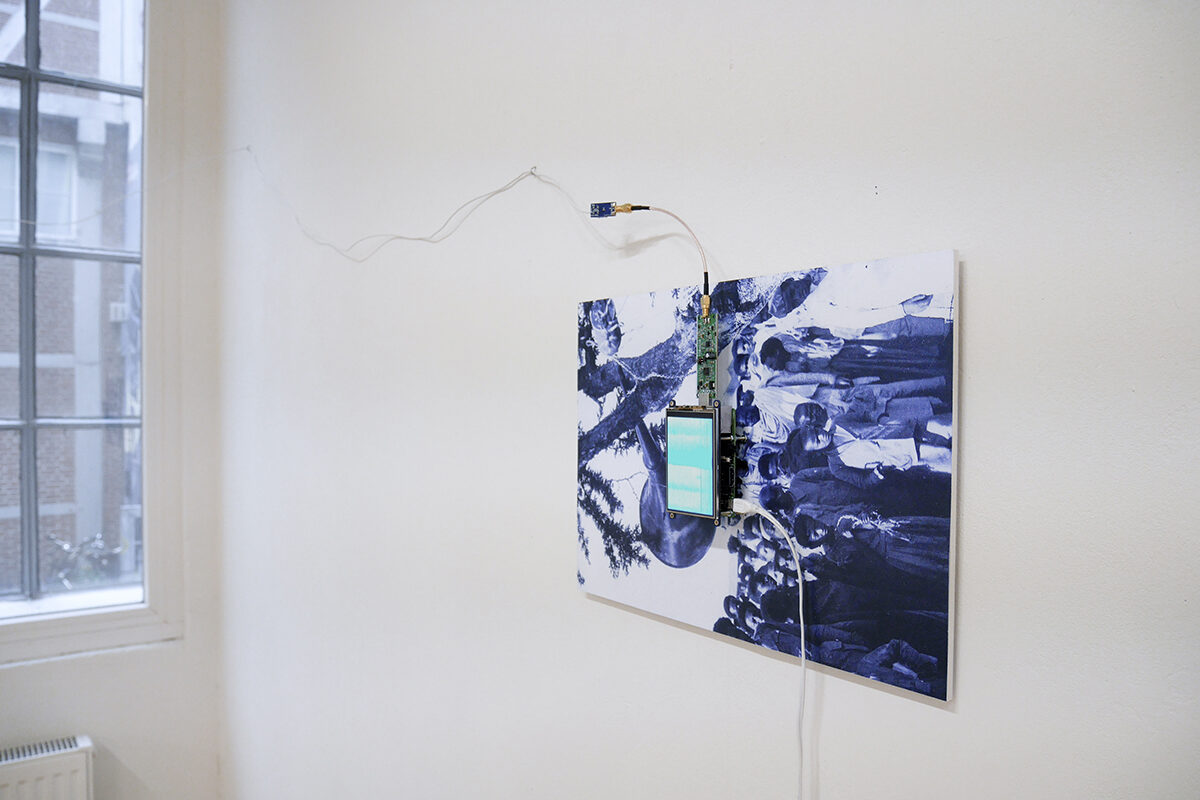
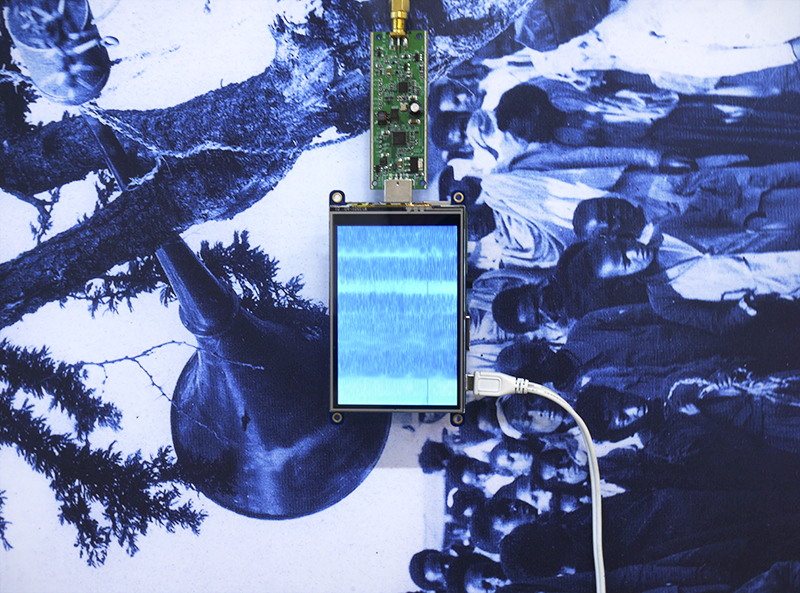
    This assemblage is inspired by the story of Ethiopia’s first radio station (called I2AA), which since 1936 has become a communication and propaganda center for the fascist regime in the colony: a concentration camp of the regime will be built in a fenced area of ​​the military command near the station, where repression will operate during the massacre carried out by the Italians, following the attempted assassination of Marshal Graziani in 1937.
    ‘listening to EIAR loudspeakers, Addis Ababa, 1940’, is the caption of a photograph that portrays a group of Ethiopians listening to loudspeakers of the propaganda of the Italian regime. This photograph is showed together with an SDR (software defined radio) device set to receive on the same frequency on which the I2AA radio transmitted back then (shortwave 9.65 Mhz): displayed in real time is the spectrogram of the audio signal captured.A spectrogram is a graph that represents the spectrum of frequencies of a signal as it varies with time. The search for ghosts through technical devices has a long history: from photography onwards, traces of them can be found in light, telegraphic, telephone and television signals, and obviously also in radio signals. This work adds to the spectra that can be searched in the Ether, also those of the colonial history.

    Wie bitte?

    in collaboration with Kinkaleri; audio recording Nicola Giannini

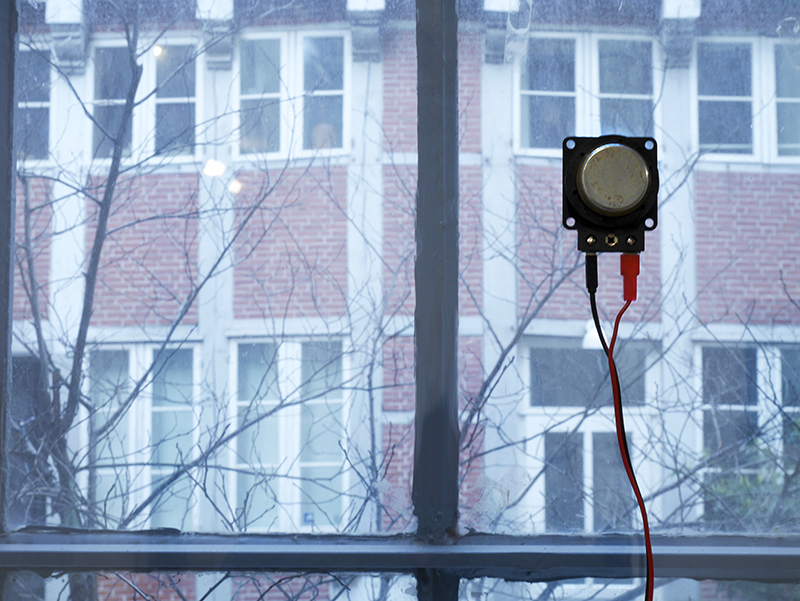
    Audio track, electro dynamical exciter on window glass – variable size – 2016-2020

    The performance Dancing in the dark, 2009, where some dancers danced completely in darkness, is the starting point of this audio installation. Ten years ago the performance was actually an experiment to understand what would remain of the moving body by removing the possibility of seeing it. At the end of the performance some things remained in the memory: the thermal sensation of heat and wind, the smell, the sound, and some faint glare that the eyes believed to recognize. A second work followed in 2014, where the recordings of the sound of body movements of the dancer Enrico Labbate led to the Eco sound installation.
    A new step came from the encounter with the project All! by the group of dancers and artists Kinkaleri. The group has indeed developed a code that translates each letter of the alphabet into a corresponding gesture of the body, making possible a real translation, at the same time literal but free in the way of performing it, from text to dance.
    Thus, with the help of the musician Nicola Giannini, an audio track was generated from the body sounds of a dancer who danced, or rather spoke, according to the language so defined, the sentence “Come prego?” (“Wie bitte?”). By detaching the sound from its physical reference, what remains indeed is a trace that you can’t no more decipher with the help of the code, a signifier without signified, an high information entropy message. What matters however, just like when the soul detaches itself from the body to become a ghost, is the obstinate need to communicate, to establish a contact.

     image of the attractor by Thierry Dugnolle, distributed under a CC BY-SA 4.0 license

  • Wie bitte?

    Wie bitte?

    The performance Dancing in the dark, 2009, where some dancers danced completely in darkness, is the starting point of this audio installation. Ten years ago the performance was actually an experiment to understand what would remain of the moving body by removing the possibility of seeing it. At the end of the performance some things remained in the memory: the thermal sensation of heat and wind, the smell, the sound, and some faint glare that the eyes believed to recognize. A second work followed in 2014, where the recordings of the sound of body movements of the dancer Enrico Labbate led to the Eco sound installation.
    A new step came from the encounter with the project All! by the group of dancers and artists Kinkaleri. The group has indeed developed a code that translates each letter of the alphabet into a corresponding gesture of the body, making possible a real translation, at the same time literal but free in the way of performing it, from text to dance.
    Thus, with the help of the musician Nicola Giannini, an audio track was generated from the body sounds of a dancer who danced, or rather spoke, according to the language so defined, the sentence “Come prego?” (“Wie bitte?”). By detaching the sound from its physical reference, what remains indeed is a trace that you can’t no more decipher with the help of the code, a signifier without signified, an high information entropy message. What matters however, just like when the soul detaches itself from the body to become a ghost, is the obstinate need to communicate, to establish a contact.

  • Ghost Attractor

    Ghost Attractor

    Ghost Attractor exhibition with FAMA group in Mom Art Space, Hamburg. See the press release here

     image of the attractor by Thierry Dugnolle, distributed under a CC BY-SA 4.0 license

    Related Works

  • Take care of me

    Take care of me

    Take care of me, python script, 9’12”, 2019

    Take Care of Me is an experimental text/video intertwining the training of a neural network with the story of Pietro Salvadori, a soldier and the artist’s great-uncle, who took part in the Italian fascist colonial war in Ethiopia (1935–1936).

    The two narratives overlap without distinction, their voices merging into a single stream of language marked by blind spots, distortions of vision, and hallucinations.

    The work foregrounds the linguistic dimension of these processes. Mathematical and algorithmic vocabularies — optimization, loss, training, normalization, regression — resonate with terms long sedimented in colonial discourse. Both trajectories are shaped by regimes of selection and normalization that present themselves as neutral and objective.

    The video explores the colonial logic embedded in the language of AI: the pretense of autonomy of a “sovereign subject” whose freedom rests on the subjugation of racialized and colonized bodies, on the exploitation of nature, and on women’s labor.

     Normalizing, regularizing, whitening
     removing the correlations, becoming independent
     in the dream of the eigenspace of pure freedom
     a new land, a land of conquest

    What initially emerged as an intuition points to a shared genealogy: modern statistics and machine learning inherit epistemic frameworks developed alongside eugenics (Galton, Pearson, Fisher).

    Am I a colonial project too? asks the neural network in the video. The question has not become easier to dismiss.

    Here the whole text.

    Installation view at Art Pavillon Belgrad, July 2020

    Thanks to Eleonora Farina and Luca Sguanci.

    Bibliography
    Michael A. Nielsen, Neural Networks and Deep Learning, Determination Press, 2015
    Stanford University Course CS231n: Convolutional Neural Networks for Visual Recognition, Lectures and Notes, Spring 2018, http://cs231n.stanford.edu/index.html
    Matteo Pasquinelli, Abnormal Encephalization in the Age of Machine Learning, e-flux, n. 75, September 2016
    Ennio Flaiano, Tempo di Uccidere (Time of Kill), Italian Edition, BUR 2000
    Nicola Labanca, Constructing Mussolini’s New Man in Africa? Italian Memories of the Fascist War on Ethiopia, (Italian edition), Il Mulino, 2005
    Antonio Orlandi Contucci, Passato d’africa, (Italian only), Rubettino 2011

    Further reading (after-production):” Wendy Hui Kyong Chun, Discriminating Data. Correlation, Neighborhoods, and the New Politics of Recognition, MIT Press, 2021.

  • YPJ- Jineology

    YPJ- Jineology


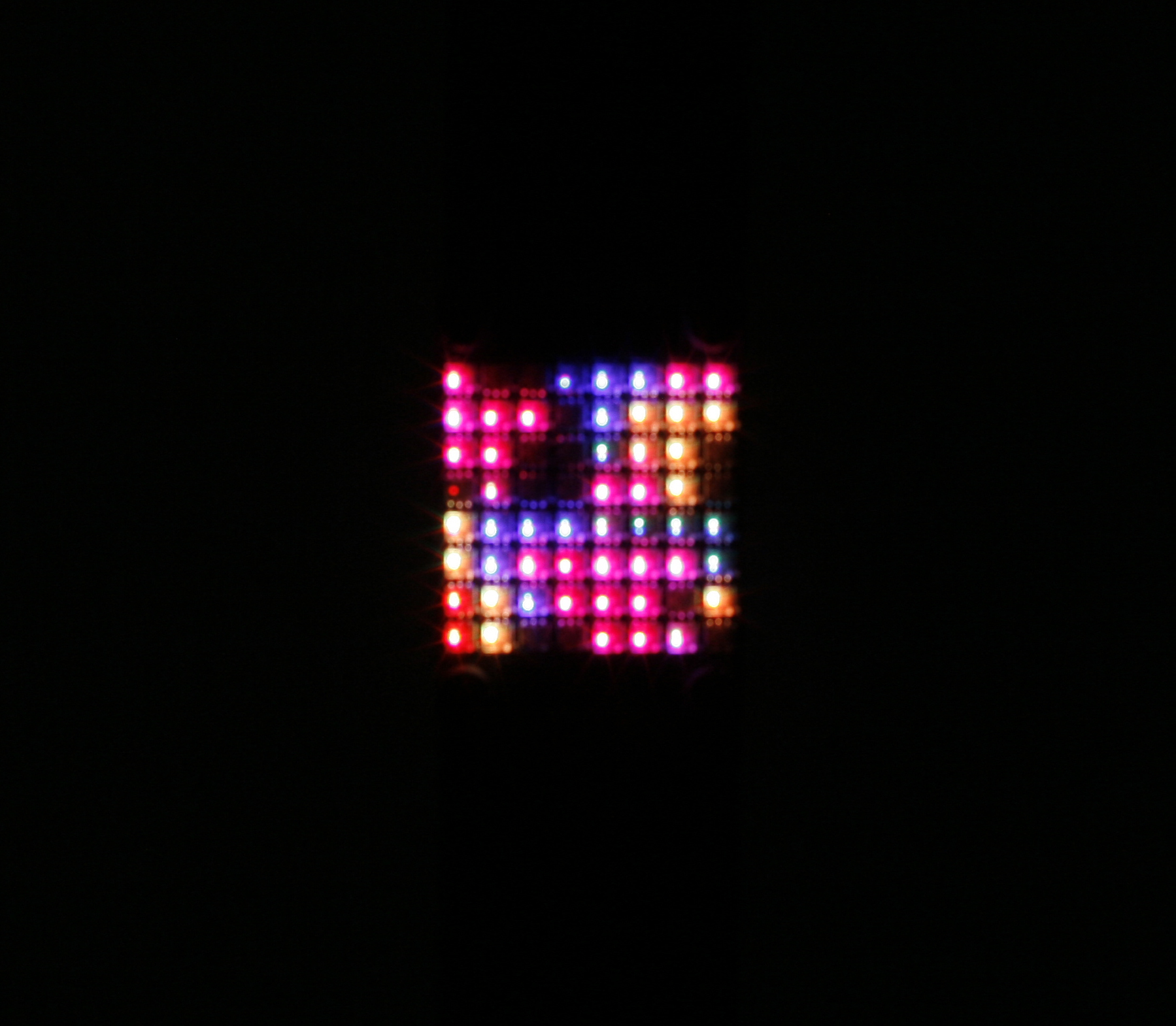
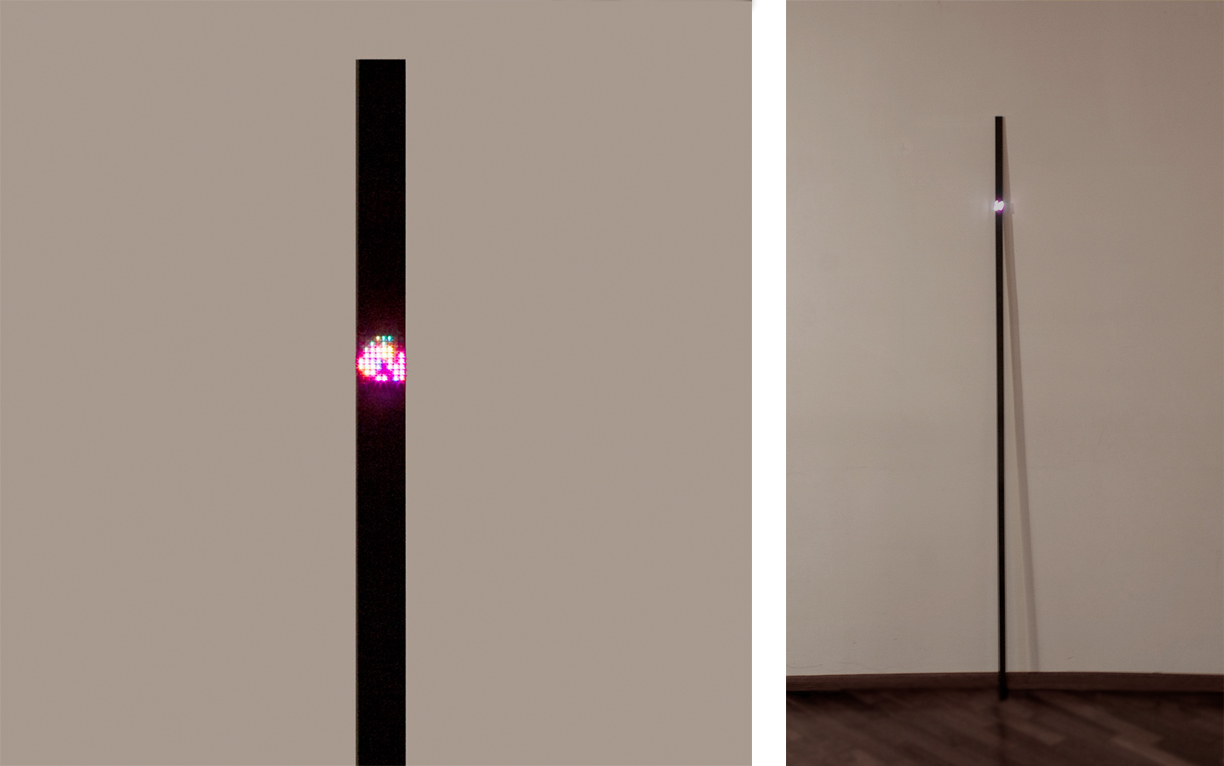
    YPJ-Jineology, iron bar, led matrix, electronic circuit, 2000 x 25 x 4 mm, 2018-2019

     YPJ-Jineology  is  a  light installation  inspired by the women revolution in Rojava, northern Syria:  this revolution tries to establish a direct democracy based on gender equality, environmentalism and pluralism. In this context “a science of women and free life” called Jineology emerged: a way of radical thinking from the women’s and not Western perspective. The word originated from the kurdish words jin -meaning women, and jian – meaning life, plus logos, the greek word for knowledge.

    Jineology views women as the first colonized subject, the archetipical form of enslavement that paved the way for all the other forms of enslavement and exploitation: moreover, as the history of civilization can be viewed essentially as the history of enslavement of women, women’s freedom could be only achieved by rejecting the foundations of the ruling system.

    For Jineology science and knowledge, together with political economic and social structures, are biased by the power structure of domination and power above women underlying them.
    YPJ (women’s protection units, “kurdish: yekîneyên parastina jin), an all-female military organization rooted in Jineology, had and still has a crucial role in establishing of an ecological and plural democracy inside the syrian civil war, fighting at the same time against ISIS, Turkey and Western claims.

    Quite often the YPJ fighters wear a traditional floral scarf: seeing them as closely related to Jineology project, my work takes these floral patterns as the point of departure. Indeed the typical floral patterns of the scarves worn by YPJ fighters are transformed into an animation for a led matrix through a specifically developed software. The software takes the image of the floral decoration of the scarf and makes it scroll up, as if the drawing crossed the led matrix. This matrix then is placed on a iron bar, remembering a flag, or a lighthouse: indeed when you see the bar from distance you only see a point light, but when you come closer you can discover the colors of the animation.

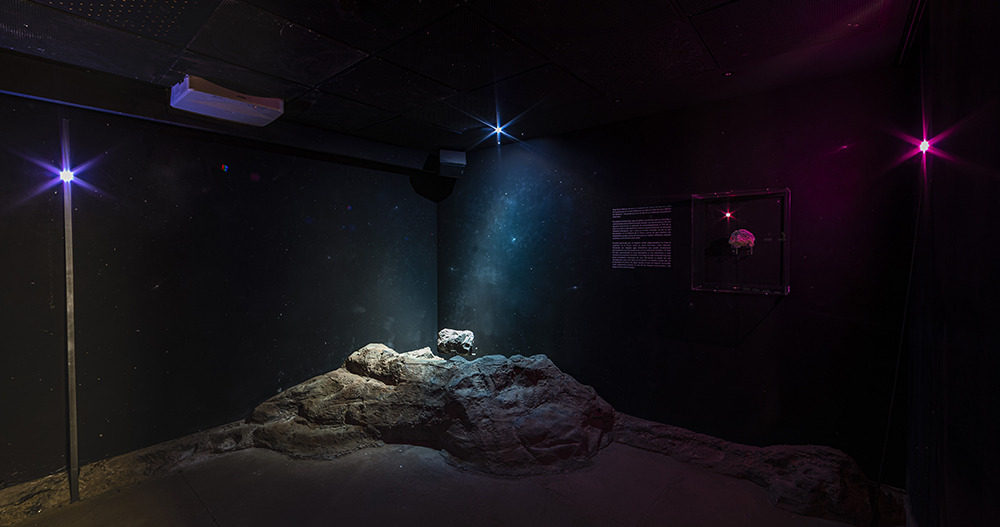
     YPJ – Jineology in the meteorite room

    For the exhibition ART PÚBLIC – UNIVERSITAT PÚBLICA curated by Alba Braza at the University of Valencia I placed three iron bars (with three different animations based on three different scarves) inside the meteorite room of the “Museo de historia natural”.

    At the level of the imaginary, meteorites and comets are associated with great change and transformation of the earth and of the human civilization.
    By placing the three bars composing the installation in the same space of this symbol of change I would like to emphasize the capacity and transformative power of the ideas and practice of Kurdish women and all those other women struggling to create a new civilization based on equality, freedom, feminism and ecology. This concept is also reflected in the formal structure of the work, in which this energy of change, condensed in colored light, that resembles – as some students of the university pointed out- the colors of chemical reactions at the beginning of time.

    Photo Art Public – Universitat Publica: Miguel Lorenzo

     
  • Muhurta

    Muhurta

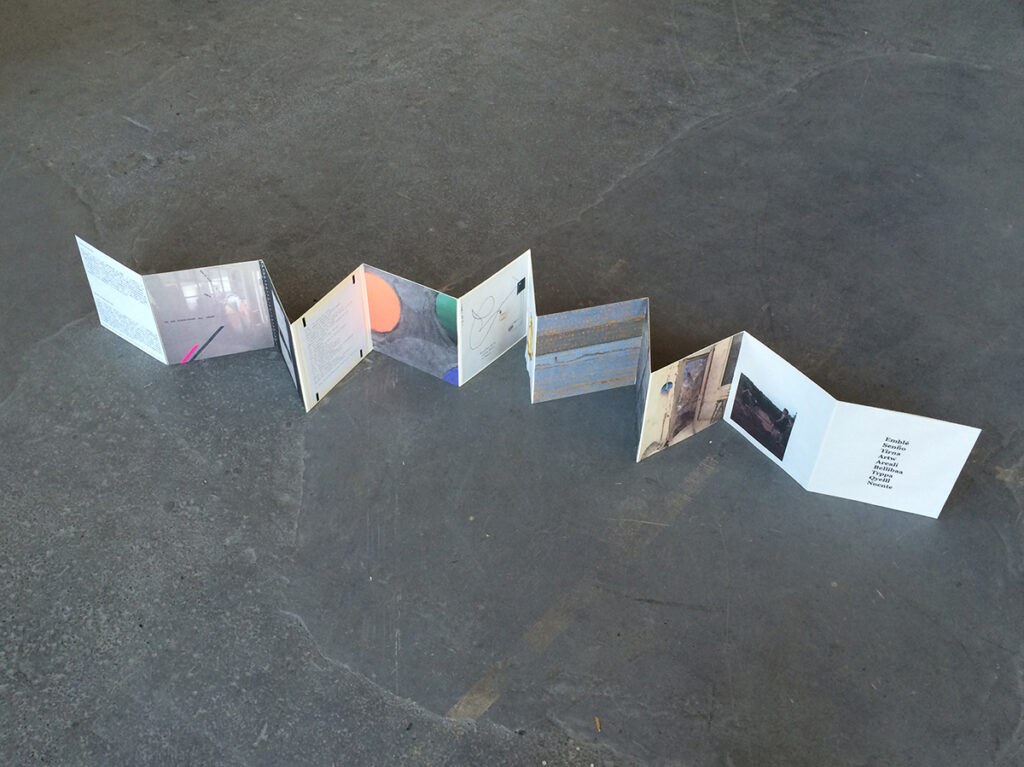
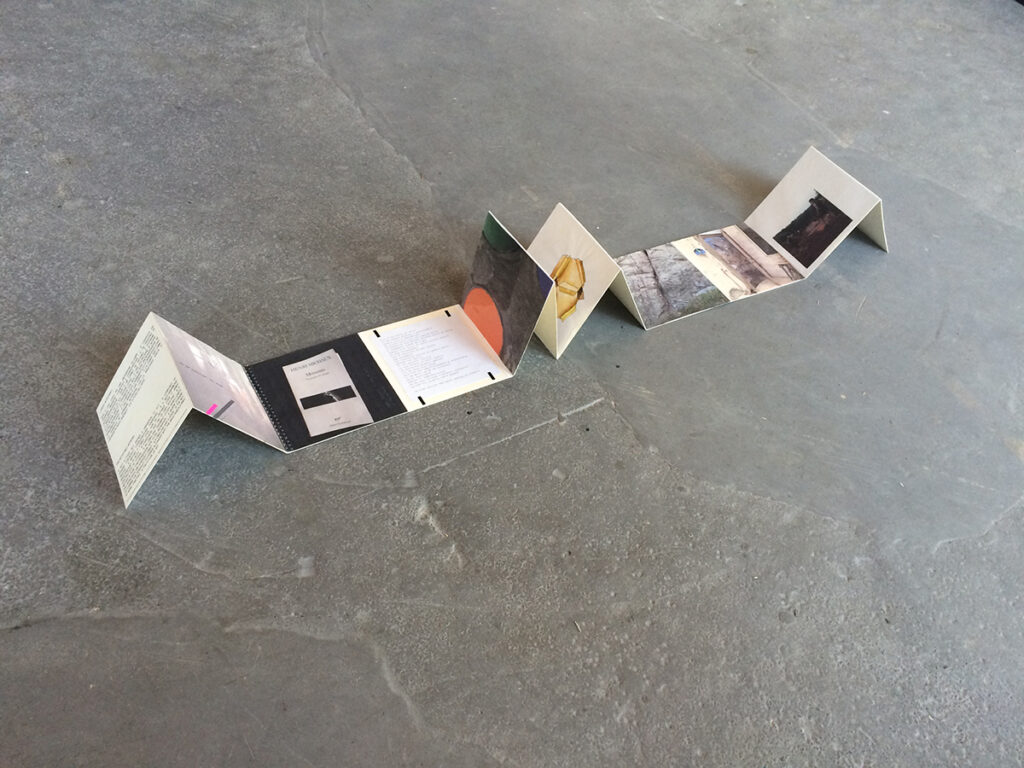
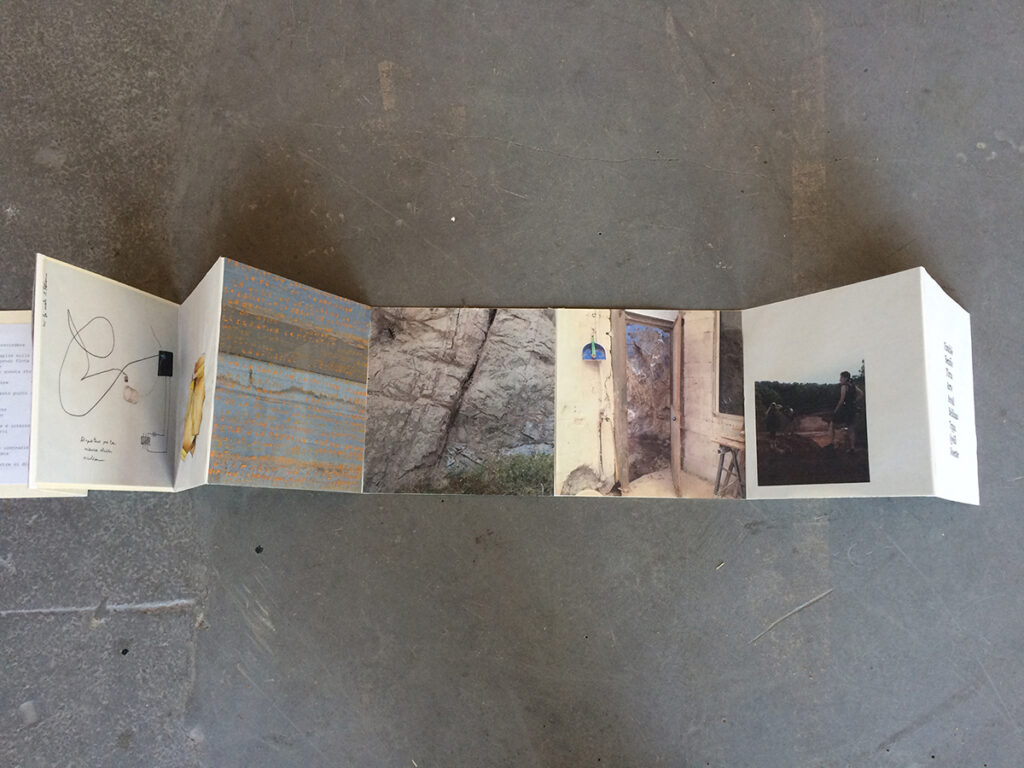
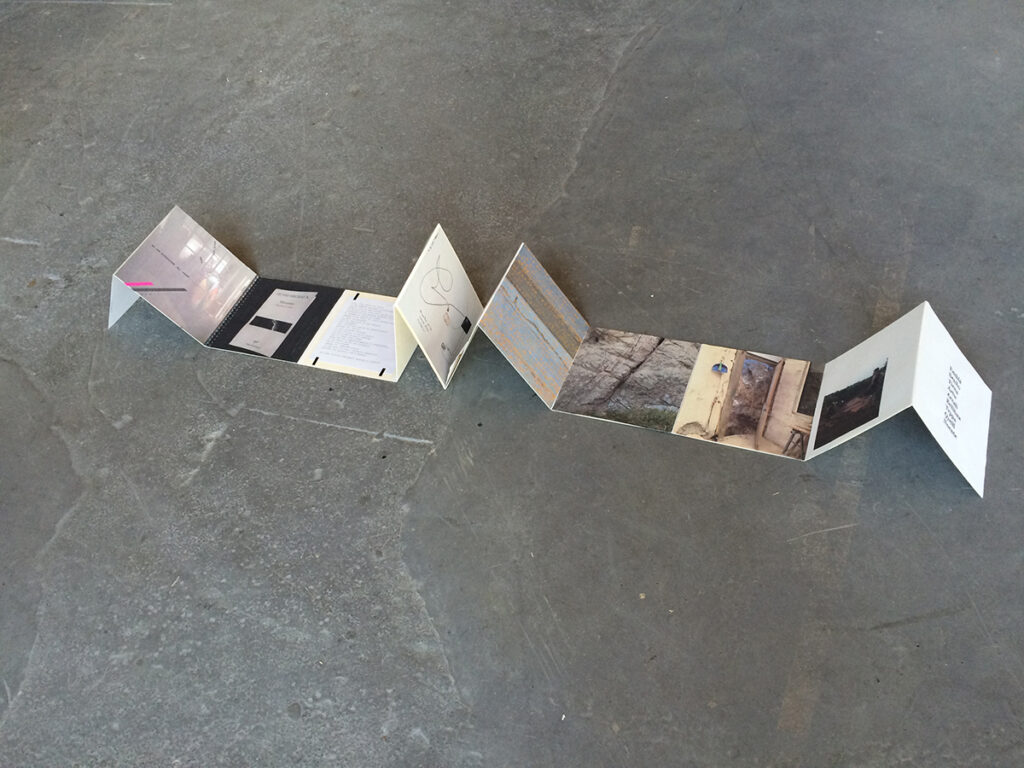
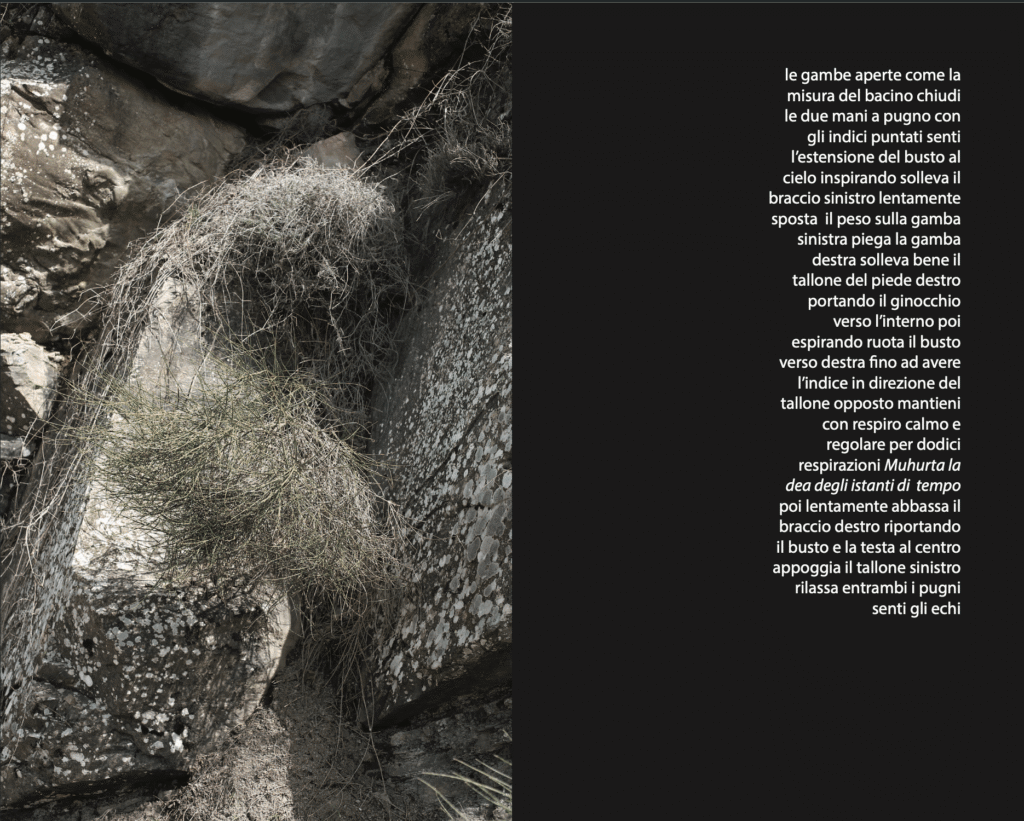
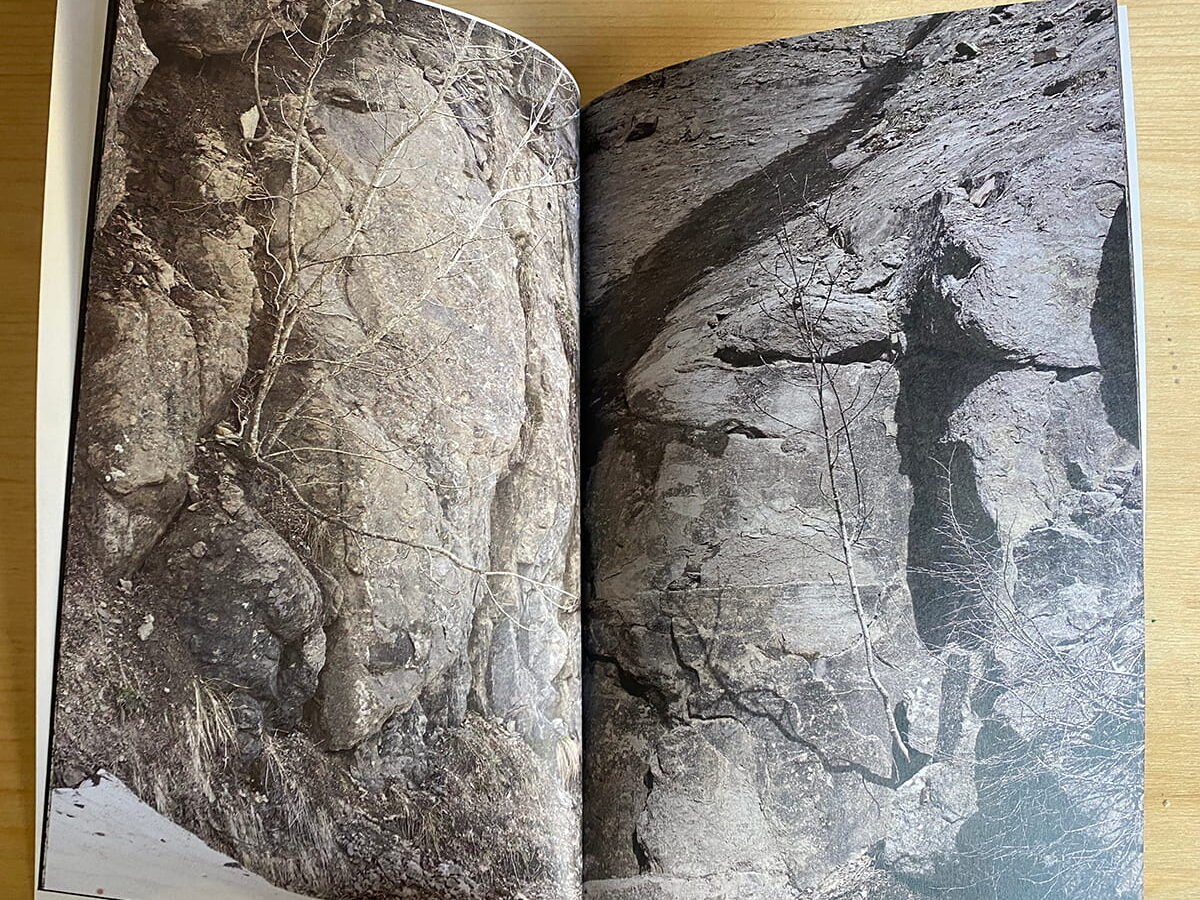
    Muhurta is an artist’s book on time, body, and image. Inspired by Muhurta, the Hindu goddess who marks the passage of time and personifies each instant, the book unfolds through a yoga posture held for twelve (or twenty-four) breaths on each side. Combining circular and linear movements, the posture brings cyclical and linear conceptions of time into a single bodily gesture.

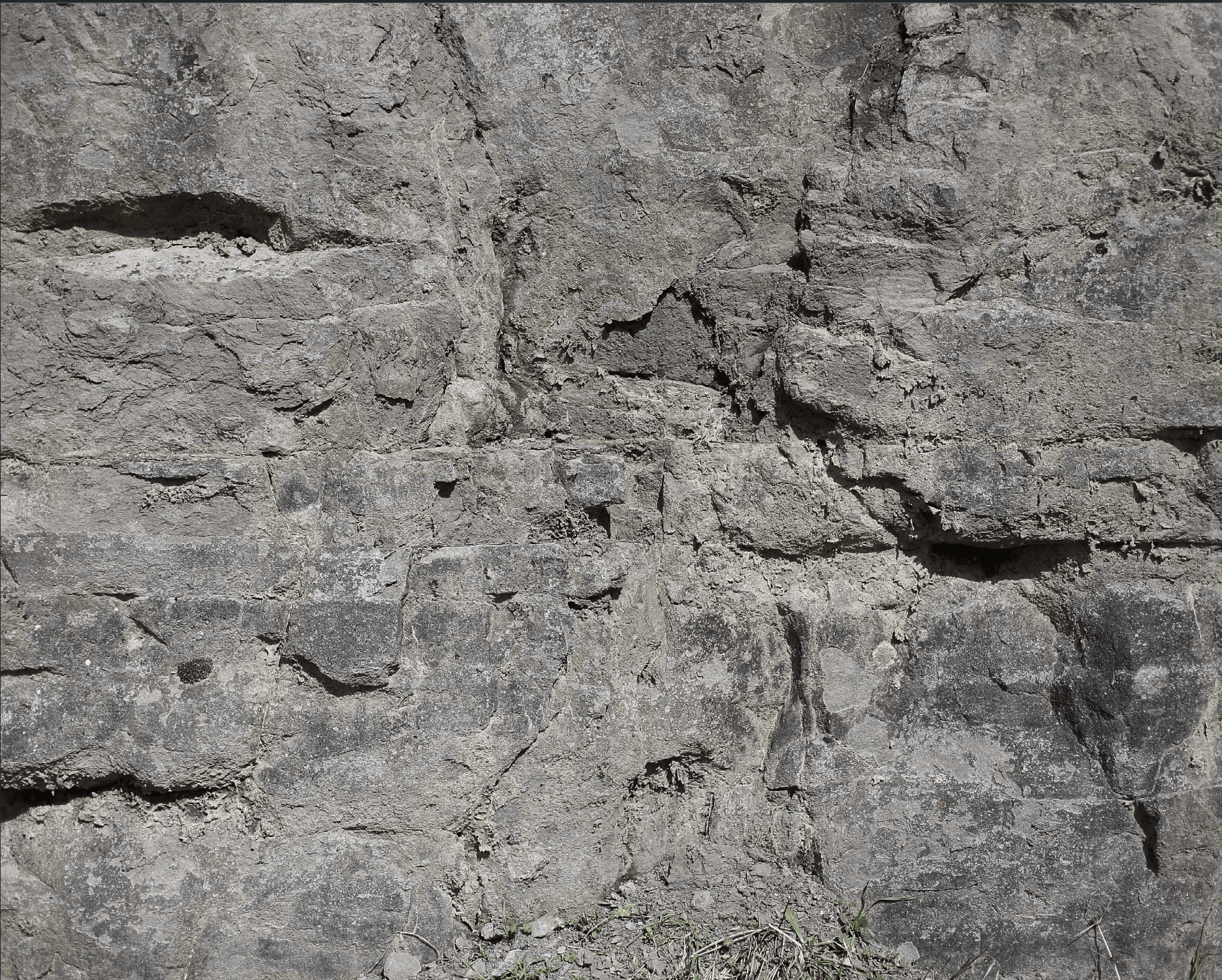
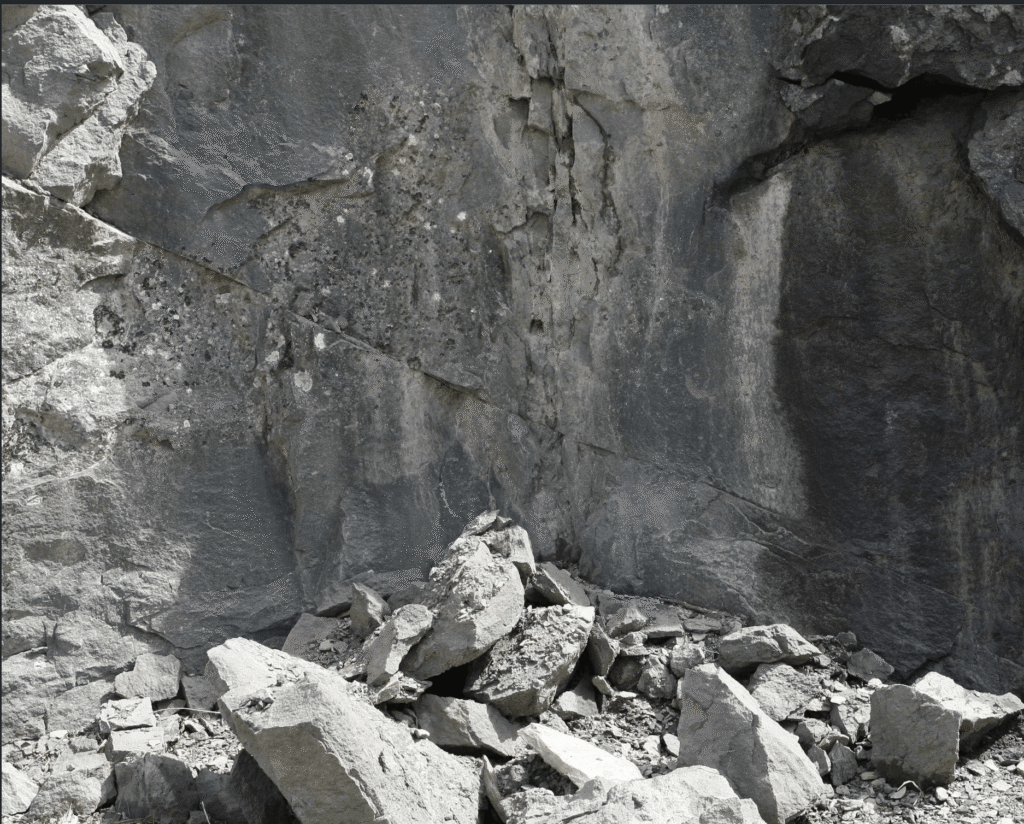
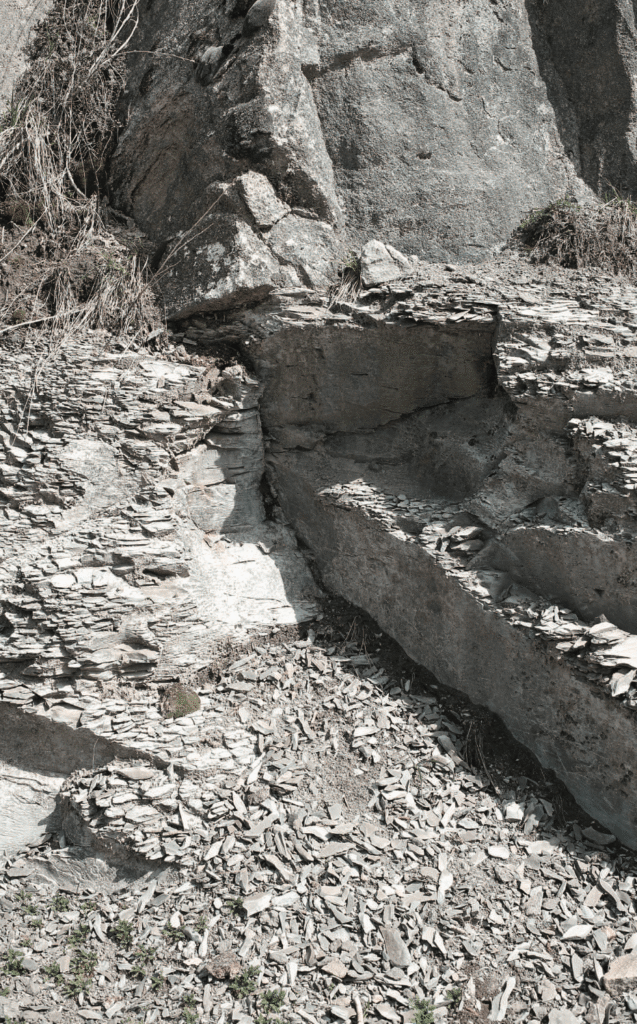
    Twelve winter photographs of the sandstone cliffs of Alpe di Cavarzano (Tuscany) accompany the sequence. These Macigno sandstone cliffs are characterized by thin, finely stratified layers that fracture along their bedding planes into narrow slabs, generating frequent rockfalls. The sequence of photographs follows the rhythm of the breath, making the breath the temporal structure of the book.

    The work originated from the convergence of two experiences: the encounter with the Muhurta posture during a yoga practice led by Angela, who later recorded the spoken instructions and contributed the written description of the posture, and a walk through the sandstone cliffs of Alpe di Cavarzano.

    With thanks to Angela (Rosangela) Di Eugenio and to the mountains.

  • FAMA Manifesto

    FAMA Manifesto

    The Manifesto for a Metastable Art was collaboratively written in 2018 by the members of FAMA (Four Artists for a Metastable Art) as an attempt to define and articulate a shared approach to artistic practice through the concept of metastability.

    Conceived both as a serious and partially ironic reference to the historical tradition of artistic avant-gardes, the manifesto proposed metastability as a possible framework through which to think about artistic practice, collective processes, temporary equilibria, and continuously shifting relations between autonomy and collaboration.

    Borrowing the concept from physics and neuroscience, metastability was understood not as a fixed or stable condition, but as a state of unstable balance capable of temporarily holding together heterogeneous elements, positions, and trajectories while remaining open to transformation.

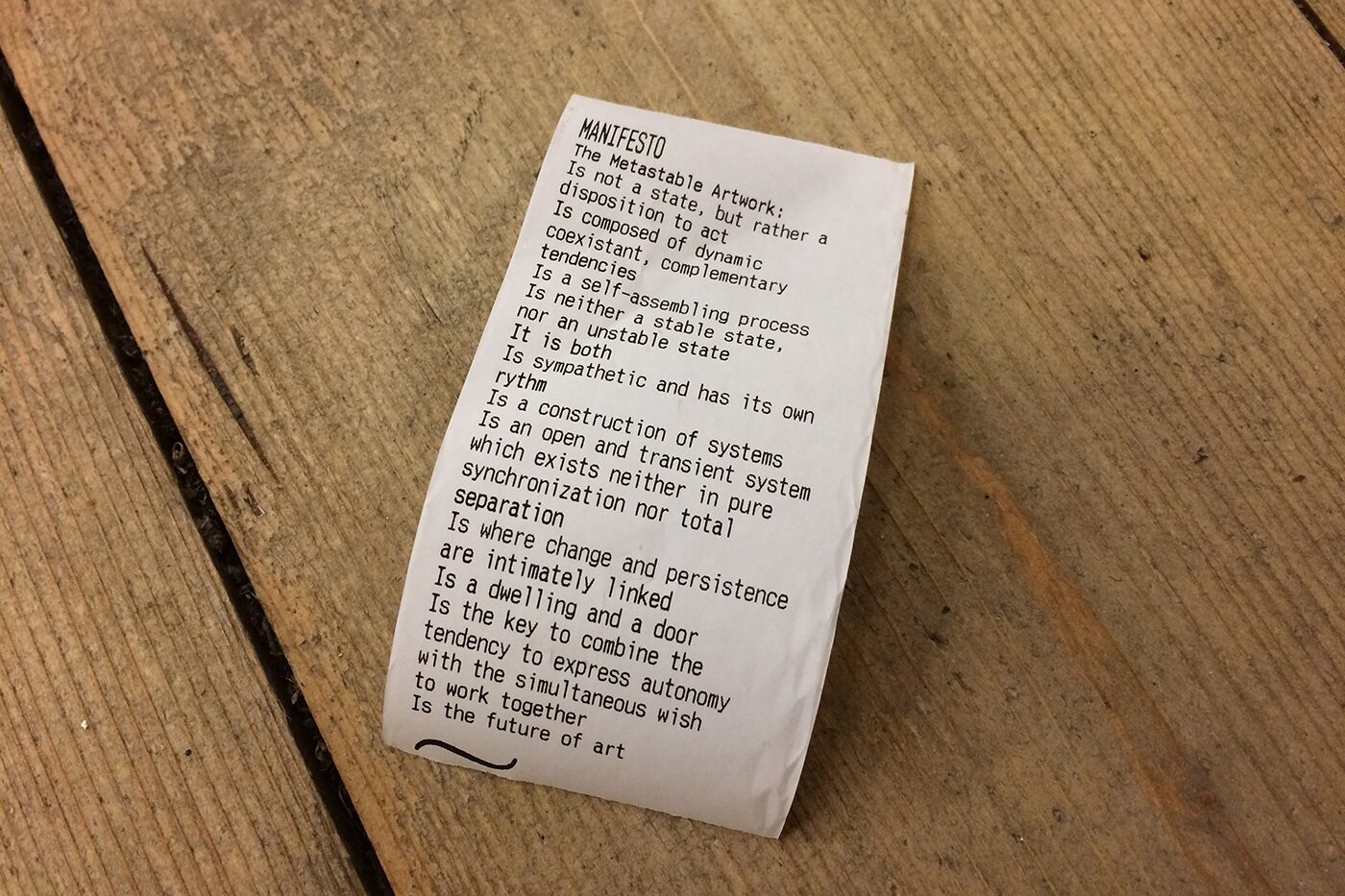
    THE METASTABLE ARTWORK:

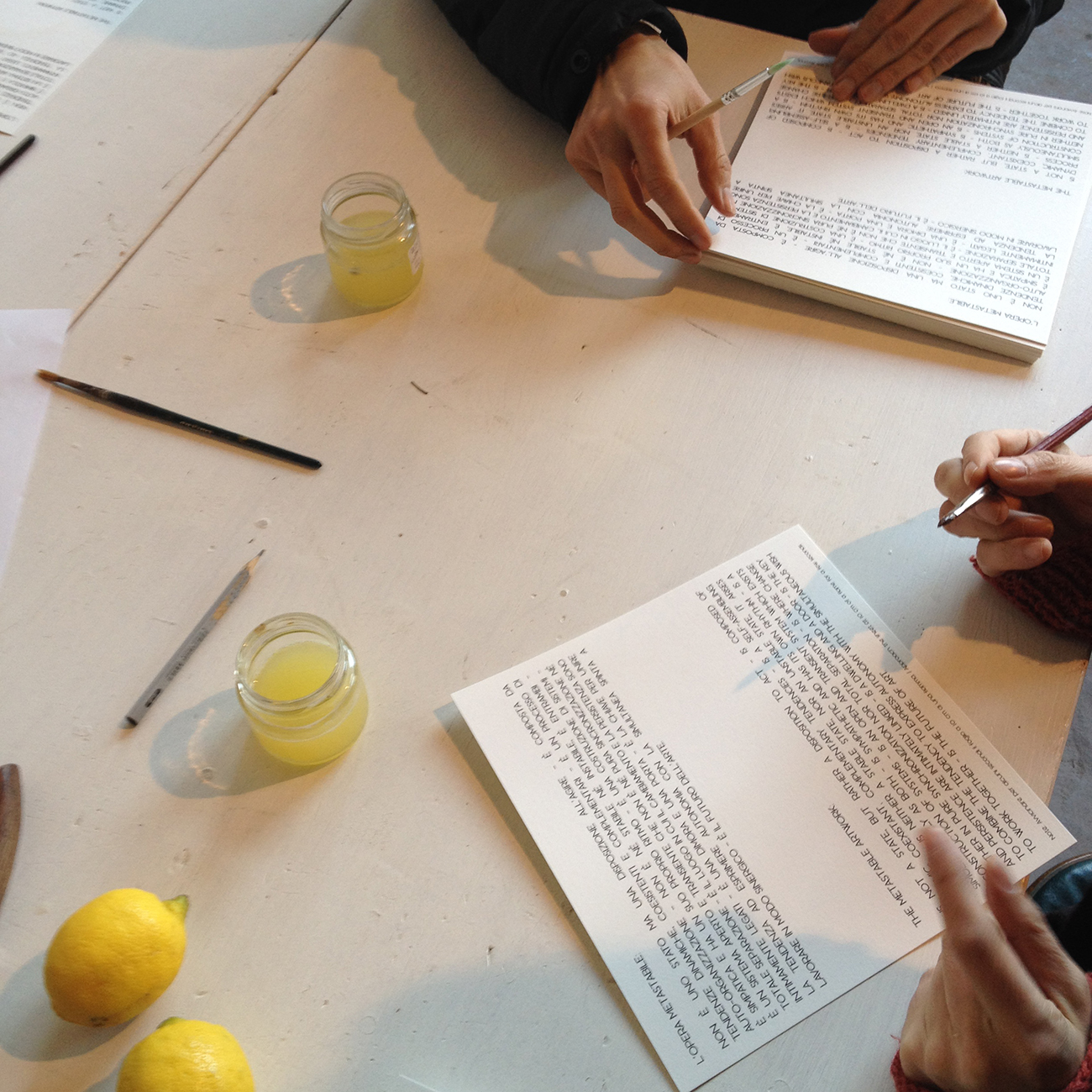
    IS NOT A STATE, BUT RATHER A DISPOSITION TO ACT – IS COMPOSED OF DYNAMIC, COEXISTANT, COMPLEMENTARY TENDENCIES – IS A SELF-ASSEMBLING PROCESS – IS NEITHER  A STABLE STATE, NOR AN UNSTABLE STATE, IT ARISE SIMULTANEOUSLY AS BOTH – IS SYMPATHETIC AND HAS ITS OWN RHYTHM – IS A CONSTRUCTION OF SYSTEMS – IS AN OPEN AND A TRANSIENT SYSTEM WHICH EXISTS NEITHER IN PURE SYNCHRONIZATION NOR TOTAL SEPARATION – IS WHERE CHANGE AND PERSISTENCE ARE INTIMATELY LINKED – IS A DWELLING AND A DOOR – IS THE KEY TO COMBINE THE TENDENCY TO EXPRESS AUTONOMY WITH THE SIMULTANEOUS WISH TO WORK TOGETHER – IS THE FUTURE OF ART.

    Manifesto — Metastable Work Reacting to Heat

    printed multiple, edition of 150, 2018

    Manifesto — Metastable Work Reacting to Heat was produced in 2018 by FAMA for BAU No. 15 – Journal of Contemporary Culture, Viareggio, a project inviting artists to create works in editions of 150 copies collected inside archival boxes.

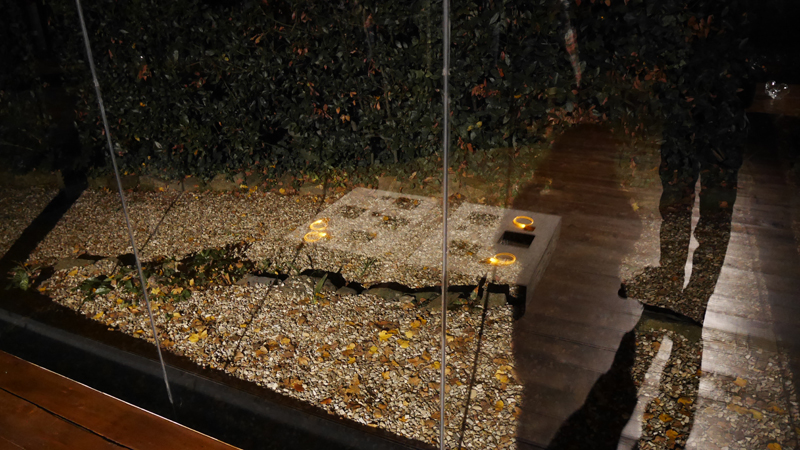
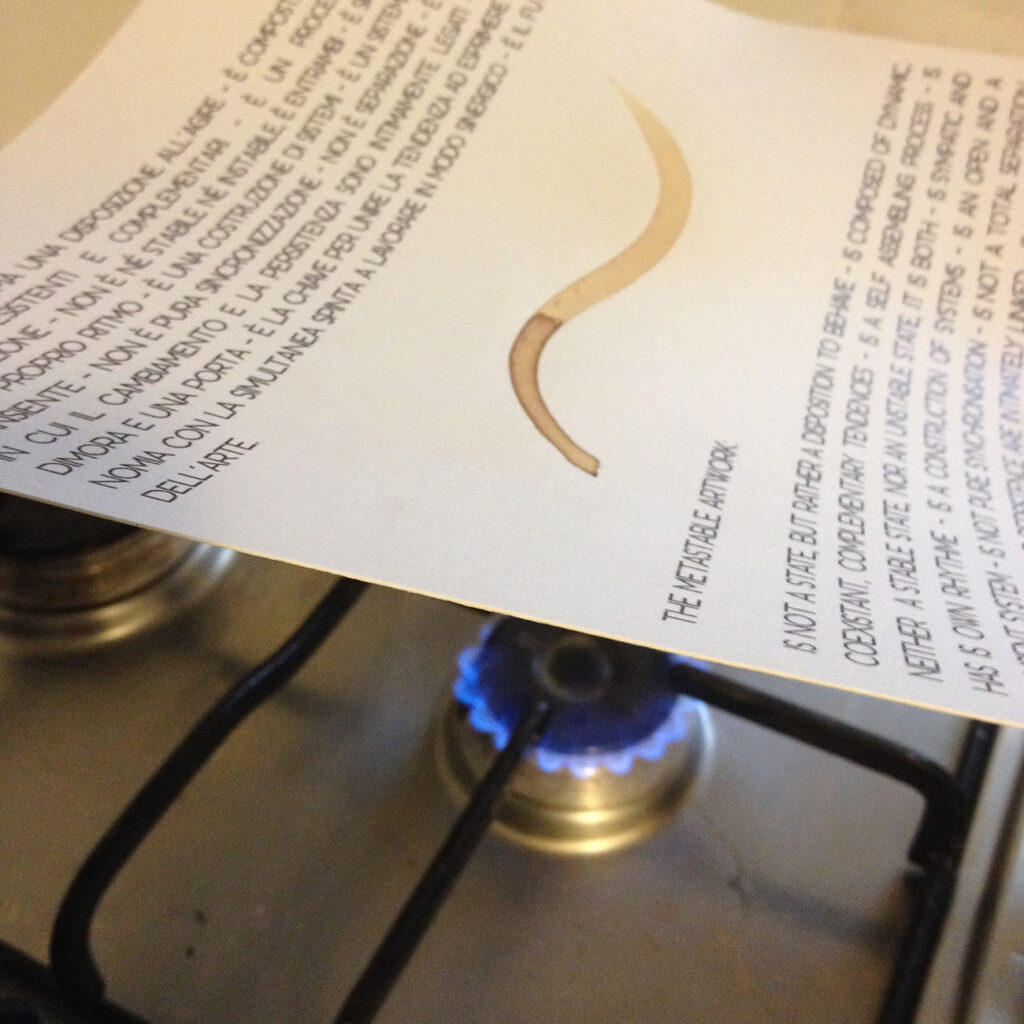
    For the occasion, FAMA developed a printed version of the Manifesto for a Metastable Art. Each copy contained a hidden sign — a “tilde” or “squiggle” associated with neuroscientific interpretations of metastability — drawn by hand using lemon juice.

    When the box is first opened, the sign remains invisible. Only through proximity to a flame, or by applying sufficient thermal energy, does the mark gradually appear as a yellow-brown trace on the paper. The activation transforms the manifesto itself into a metastable object: a work suspended between latency and revelation, requiring the direct intervention of the viewer to become visible.

    The work translated the concept of metastability into a material and temporal process, where heat, waiting, and activation become integral components of the piece itself.

    Manifesto Box

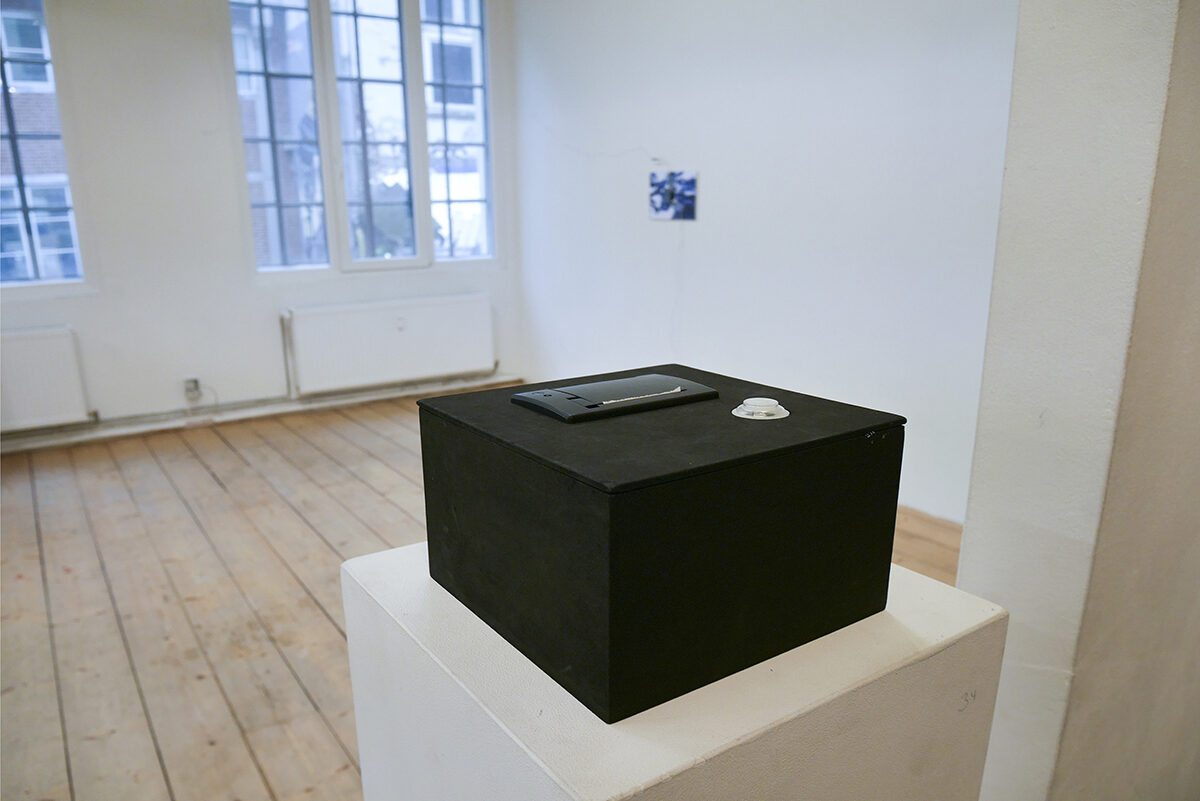
    interactive installation, 20 x 20 x15 cm, 2018

    Manifesto Box was developed by FAMA in 2018 for the presentation of BAU No. 15 – Journal of Contemporary Culture at GAMC, Viareggio, as a second iteration of the Manifesto for a Metastable Art.

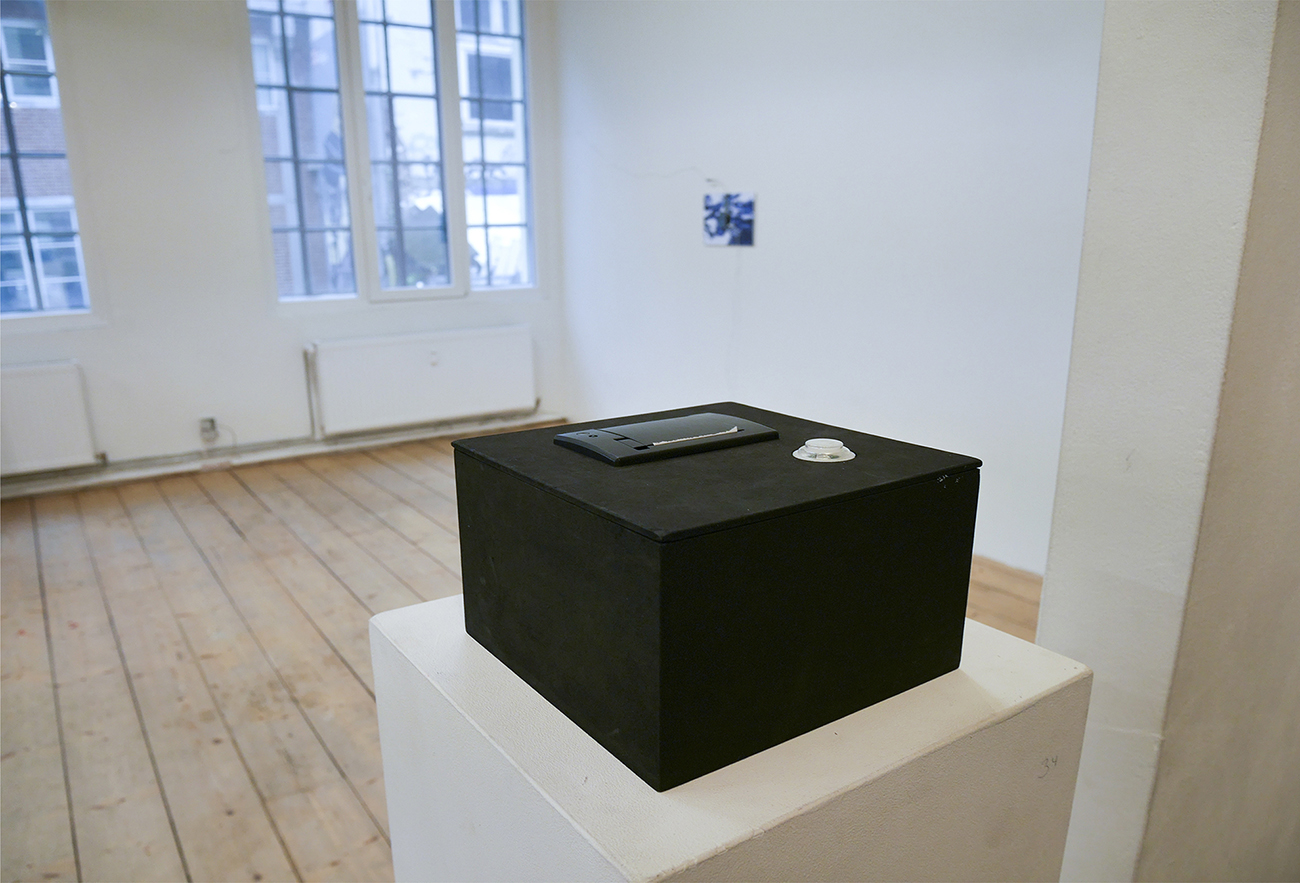
    The work took the form of a mysterious black box equipped with a large white button. Remaining silent and inactive until touched, the device required the direct intervention of the viewer to become operational. Once activated, the box began to vibrate, producing simultaneously sinister and humorous mechanical sounds before slowly ejecting a printed paper resembling a receipt.

    The printed strip contained the Manifesto for a Metastable Art, conceived as a temporary object to be taken away by the viewer. Like the previous printed edition, the manifesto appeared on an unstable support destined to gradually disappear over time, transforming the act of reading into a fragile and time-based experience.

    Through vibration, activation, sound, and material instability, Manifesto Box translated the manifesto into an interactive device oscillating between sculpture, machine, performance, and distribution system.